NexGPU
NexGPU
NexGPU
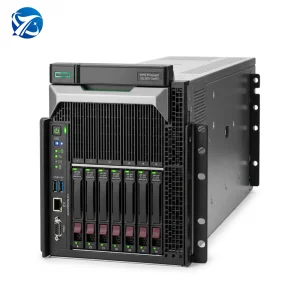
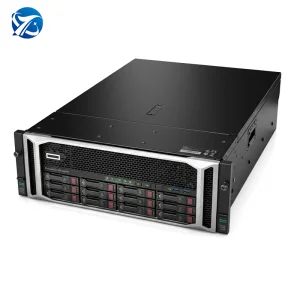
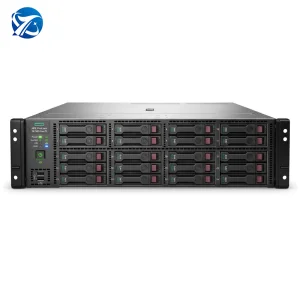
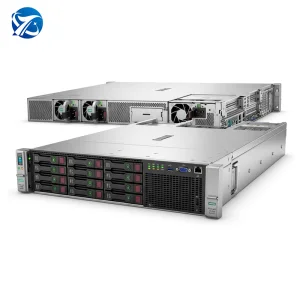
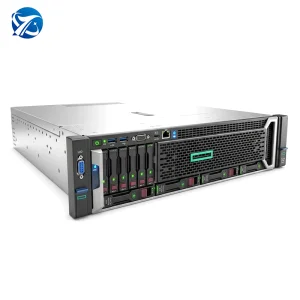
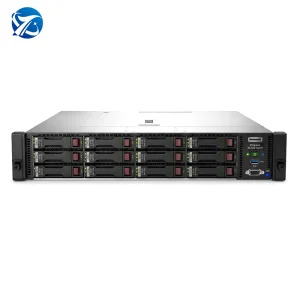
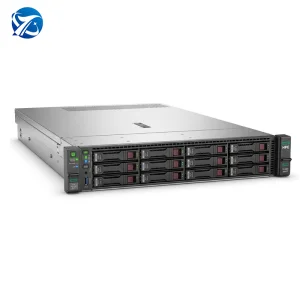
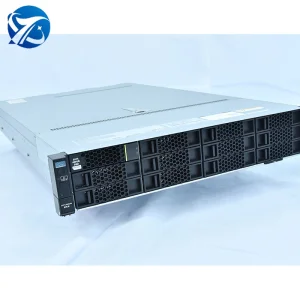
A Comprehensive Industry Guide on the Advancements in HPE ProLiant Gen11 & Gen12 Architectures, Supply Chain Dynamics, and Global Enterprise Sourcing Frameworks.
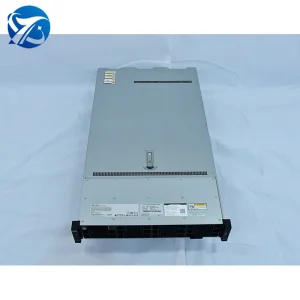
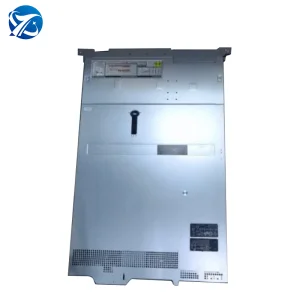
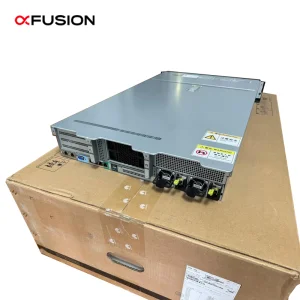
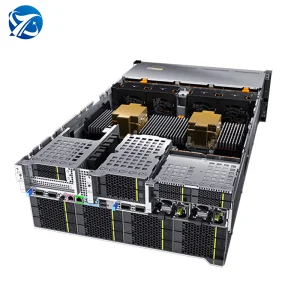
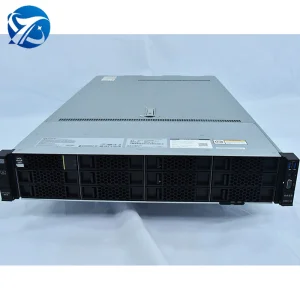
In the modern compute landscape, high-density server hardware dictates the limits of corporate capability. From multi-tenant public cloud data centers to localized edge deployments, HPE (Hewlett Packard Enterprise) ProLiant rack architectures serve as structural benchmarks. Sourcing enterprise hardware requires navigating a global migration between server generations: specifically, the transition from HPE Gen11 to Gen12. The emergence of machine learning deployments, massive database scale-outs, and intensive virtualization infrastructures demands compute architectures designed for extreme performance density.
Enterprises rely on HPE's structural architecture due to its resilience under persistent compute loads. Built on platforms like the Intel Xeon Scalable processor series and supporting massive DDR5 system memories, modern HPE platforms offer deep processing pathways. The integration of silicon-level security via the HPE Silicon Root of Trust and integrated Lights Out (iLO 6) remote management tools ensures these servers fit cleanly into zero-trust corporate frameworks. The hardware supports high-performance operations without compromising data integrity, making it a reliable standard for global operations.
The transition from HPE ProLiant Gen11 to Gen12 represents a major generational shift in bus speeds, memory densities, and core layouts. HPE Gen11 servers introduced support for PCIe Gen5 slots and DDR5 memory systems, removing common I/O bottlenecks. HPE Gen12 (powered by next-generation Intel Xeon 6 processors) builds on this with higher core densities (up to 144 cores per single socket in specialized high-density setups) and enhanced processing pathways.
In modern rack designs, thermal management dictates structural capacity. HPE Gen12 servers employ advanced thermal designs, including liquid cooling setups and compatibility with high-density storage drives like EDSFF (Enterprise & Datacenter SSD Form Factor). This allows centers to pack more compute and storage capacity into a 1U or 2U footprint, lowering total cost of ownership (TCO) and reducing physical space requirements in data center facilities.
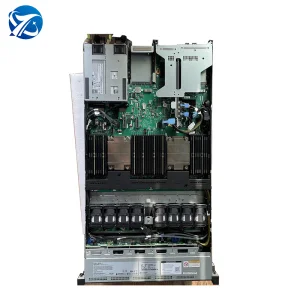
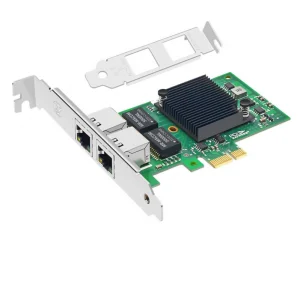
HPE's design philosophy focuses on modular hardware customization, allowing system designers to configure storage backplanes, network daughter cards, and accelerator cards for distinct business demands.
| Architecture Metric | HPE ProLiant Gen11 Standard | HPE ProLiant Gen12 Standard | Enterprise Target Workloads |
|---|---|---|---|
| Processor Capability | Intel Xeon Scalable (4th & 5th Gen) | Intel Xeon 6 Processors (up to 144 Cores) | Dense Virtualization, Container Clusters |
| Memory Architecture | DDR5 Memory (Up to 4800 MT/s) | DDR5 Memory (Up to 6400 MT/s) | In-Memory Databases, Large Language Models |
| I/O Expansion | PCIe Gen5 (Standard Configurations) | PCIe Gen5 (Enhanced Lane Layouts) | High-Performance NVMe arrays, GPU Acceleration |
| Thermal Footprint | Advanced Air Cooling, Standard Heatpipes | Direct Liquid Cooling (DLC) & EDSFF Support | High-Density Compute Racks, Hot/Cold Aisle Data Centers |
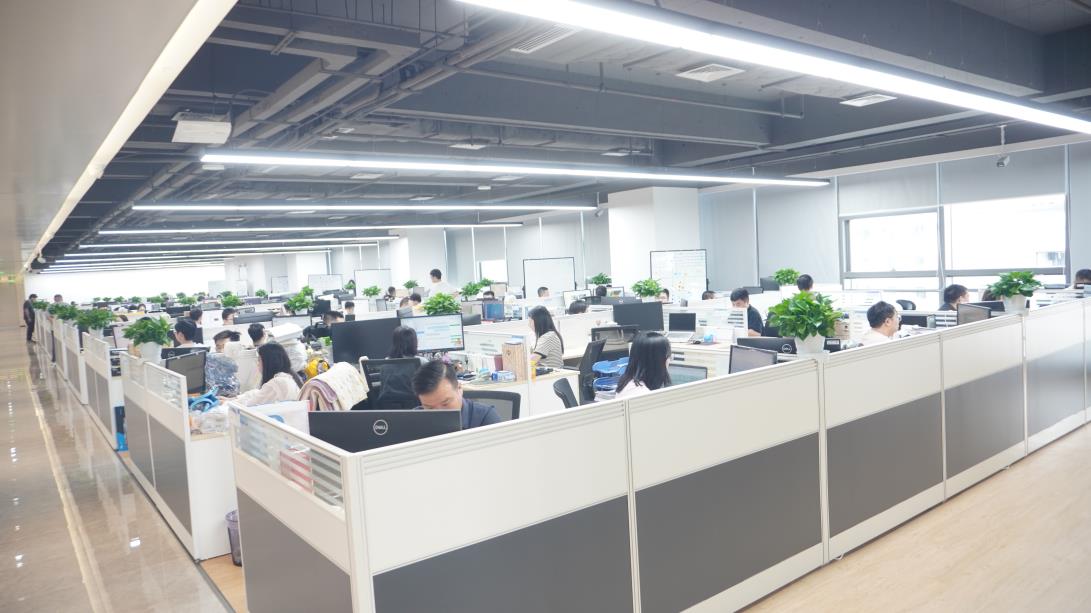
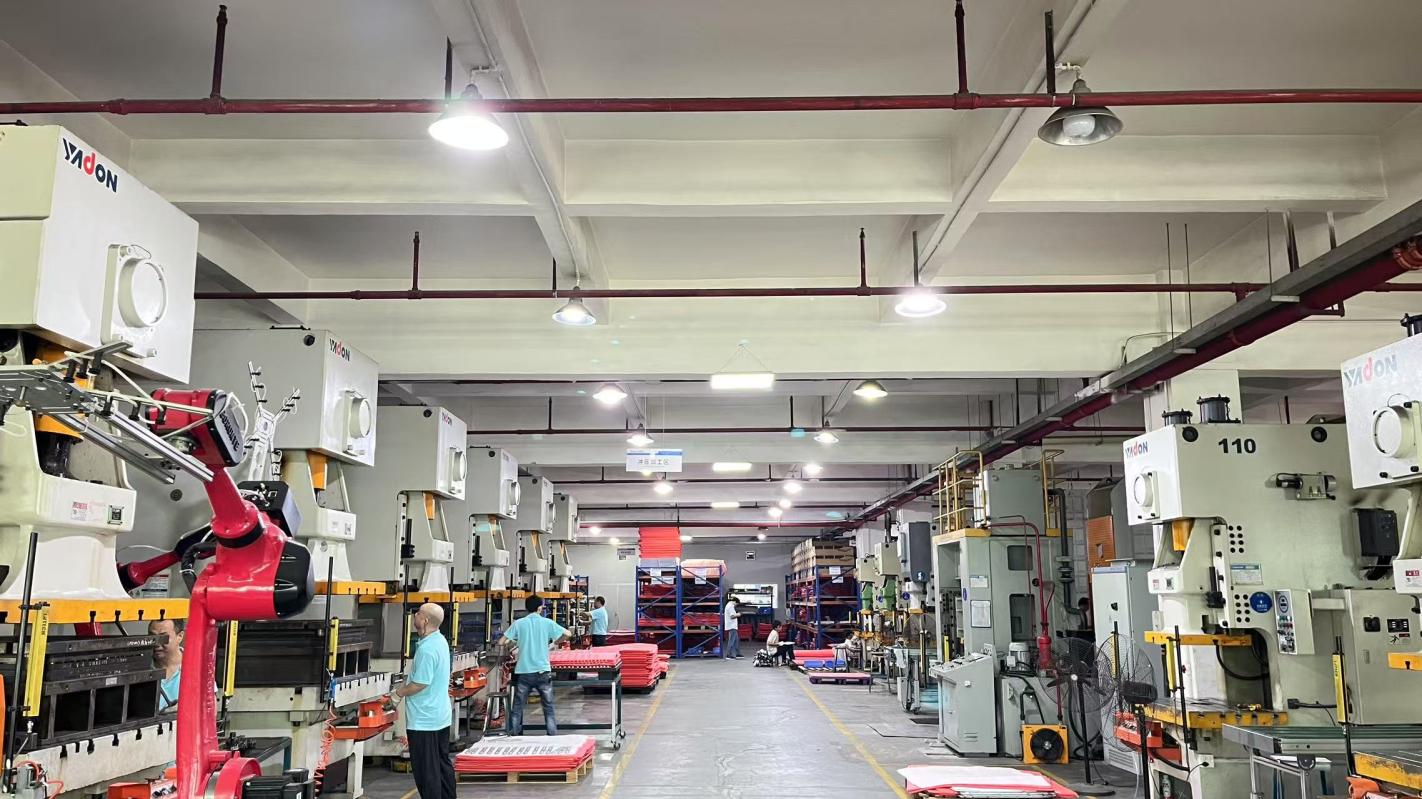
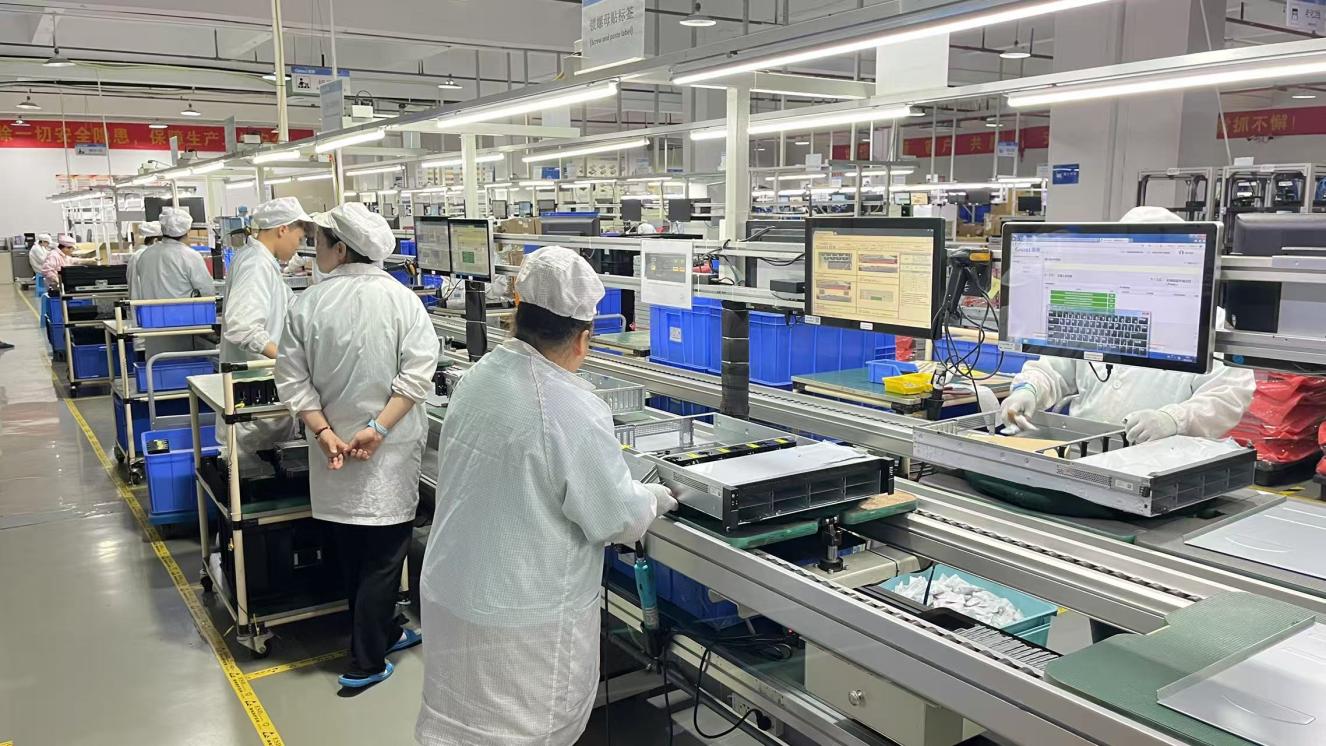
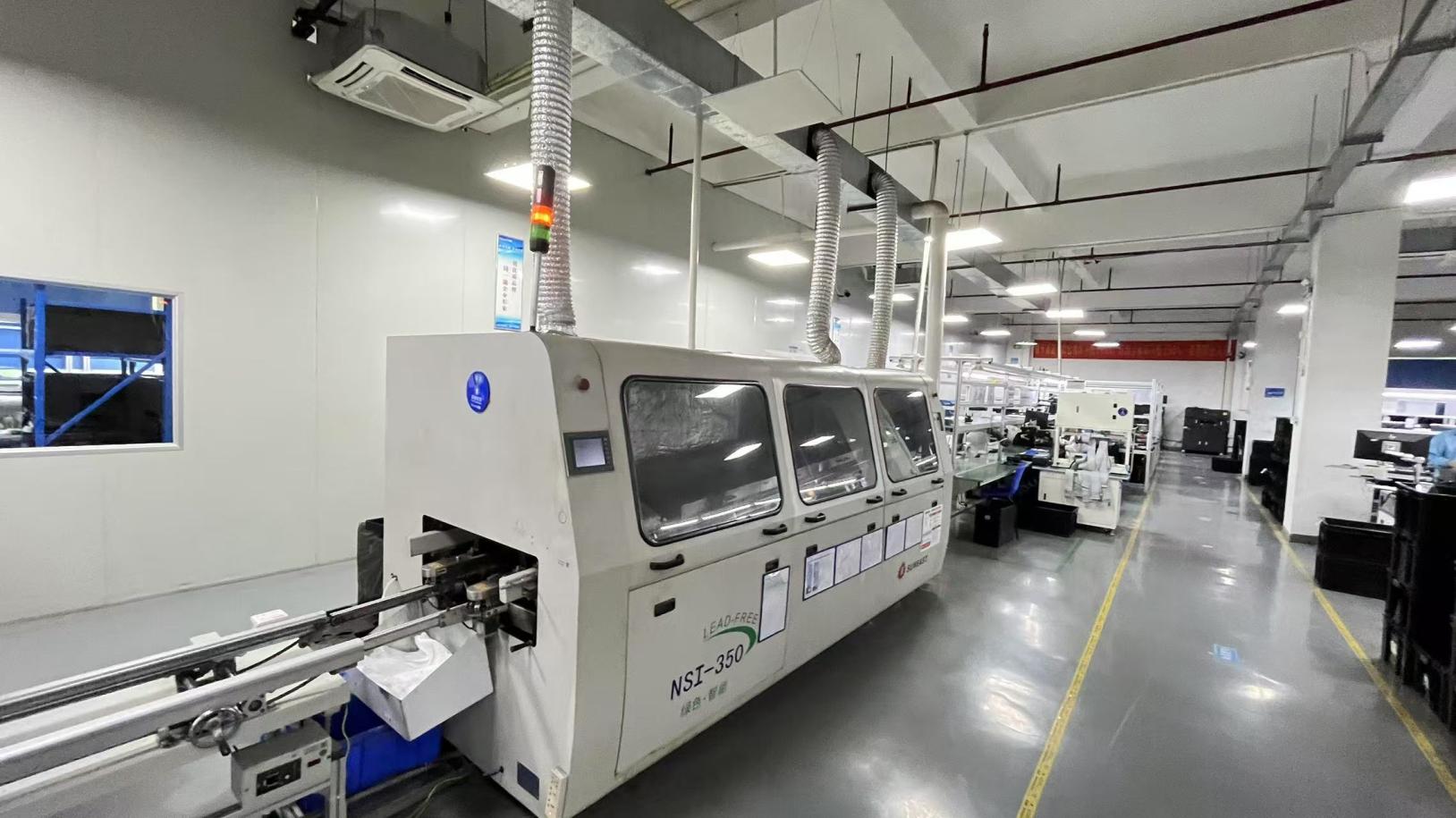
Founded in 2017, NexGPU Intelligent Computing Technology Co., Ltd. is a manufacturer specializing in GPU servers, AI computing infrastructure, high-performance computing (HPC) systems, and customized server solutions for global customers. Headquartered in Shenzhen, China, the company operates a modern manufacturing facility covering over 380 square meters, equipped with advanced assembly, testing, and quality control systems.
Sourcing hardware from China's technology manufacturing corridors provides global enterprise buyers with distinct efficiency and cost advantages. Shenzhen's electronics ecosystem offers fast access to sub-components, memory modules, chassis, and custom power systems. This allows NexGPU to assemble, test, and ship custom rack layouts with shorter lead times than traditional, fragmented international supply lines.
With more than 9 years of industry experience and 7 years of export experience, NexGPU has established itself as a trusted supplier for enterprises, cloud service providers, research institutions, AI startups, data centers, and system integrators worldwide. Our annual export revenue exceeds USD 18 million, serving customers across North America, Europe, Southeast Asia, the Middle East, and Oceania.
Supported by a strong global supply chain network of more than 1,200 strategic partners, NexGPU can efficiently source premium components and deliver flexible manufacturing solutions to meet diverse customer requirements. We offer extensive OEM and ODM services, including hardware configuration customization, chassis branding, firmware optimization, rack integration, and AI infrastructure deployment solutions.
Innovation is at the core of our business. Our R&D department includes over 120 engineers specializing in server architecture, thermal management, AI computing optimization, and system integration. Each year, NexGPU launches more than 80 new products and solution upgrades to address the rapidly evolving demands of artificial intelligence, machine learning, cloud computing, and enterprise data processing.
Modern server deployments are highly customized for specific local applications. General-purpose servers have transitioned into workload-optimized systems tailored to specific tasks:
These customized configurations enable global companies to balance compute power, energy efficiency, and storage capacity, aligning server hardware with their specific operational needs.
NexGPU maintains strict quality management standards throughout the production process. Every product undergoes comprehensive reliability testing, performance verification, burn-in testing, compatibility validation, and final inspection before shipment. Our dedicated quality control team consists of over 45 experienced inspectors, ensuring consistent product quality and reliability.
For enterprise-grade servers, QA is a vital step rather than a formality. A single system failure in a production environment can cause downtime and interrupt business operations. Our quality validation protocols ensure that every processor, memory module, storage drive, and RAID controller is verified for compatibility and performance under load before it is packaged and shipped.



Expert insights on deployment strategies, generational upgrades, and global supply configurations for technical buyers.