NexGPU
NexGPU
NexGPU
Industrial-grade components optimized for seamless hardware integration, compatibility tested under load.
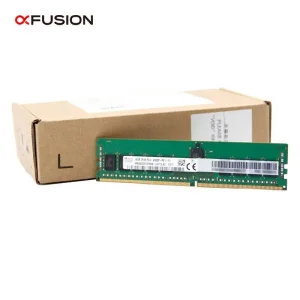
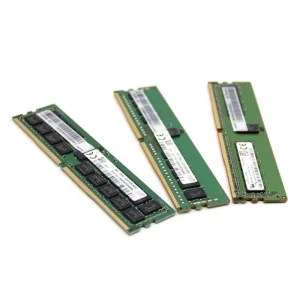
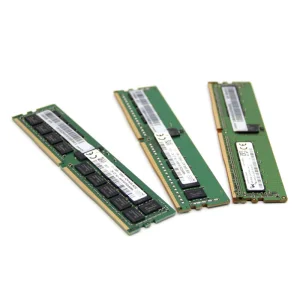
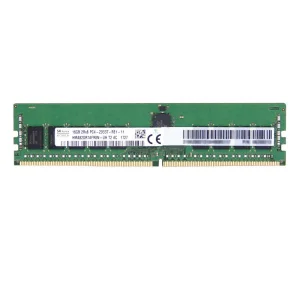
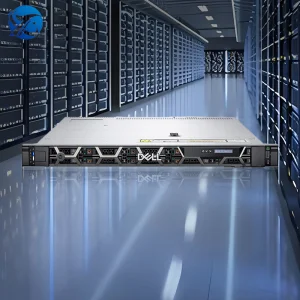
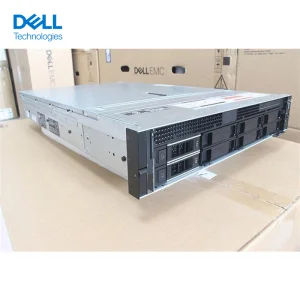
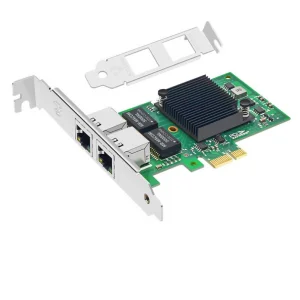

Within enterprise data processing environments, random-access memory (RAM) serves as the primary gateway for calculations and data exchange between high-performance chipsets and persistent storage tiers. As artificial intelligence models expand to billions of parameters, server configurations require RAM modules that operate with high frequency, density, and reliability.
Industrial server memory architectures utilize Registered DIMMs (RDIMMs) and Load-Reduced DIMMs (LRDIMMs) to support scalable workloads. Unlike consumer-grade UDIMMs, these variants feature hardware logic components—specifically a Register Clock Driver (RCD)—that balance clock, command, and control signals. This design reduces electronic load on the system memory controller, allowing servers to run more memory banks concurrently while maintaining signal integrity.
"Choosing the correct memory density and frequency configuration is critical to preventing processor core starvation, ensuring full bandwidth utilization in modern multi-channel memory architectures."
Modern server RAM implements Error-Correcting Code (ECC) to detect and correct single-bit memory errors. By processing extra parity bits, the system automatically corrects run-time disruptions caused by cosmic rays or electrical interference, avoiding unexpected system shutdowns and data corruption.
With operational voltages optimized at 1.2V for DDR4 and 1.1V for DDR5, modern enterprise modules reduce power usage, lowering the total cost of ownership (TCO) and cooling demands in large data centers.
Delivering tested and verified memory components and high-performance server configurations to global markets.
Founded in 2017, NexGPU Intelligent Computing Technology Co., Ltd. is a manufacturer specializing in GPU servers, AI computing infrastructure, high-performance computing (HPC) systems, and custom server configurations. Headquartered in Shenzhen, China, the company operates a specialized manufacturing facility covering over 380 square meters, equipped with cleanroom assemblies, thermal testing cabinets, and strict diagnostic systems.
A technical review of memory rank configurations, thermal profiles, and system integration strategies.
Memory modules are structured in Single-Rank (1R), Dual-Rank (2R), or Quad-Rank (4R) configurations. Rank interleaving allows the system to access one bank of memory chips while another is in a refresh cycle, improving bandwidth for database tasks and virtualized applications.
While standard ECC handles errors on the transmission bus, next-generation architectures use On-Die ECC to manage errors within the physical silicon cells of the memory chip, offering extra protection against soft errors at higher silicon densities.
NexGPU's server memory designs utilize specialized aluminum or copper alloy heat spreaders. These dissipation systems lower core temperatures, helping prevent thermal throttling during continuous compute operations.
How high-density server memory supports infrastructure across multiple sectors.
Large Language Models (LLMs) and deep learning neural networks demand massive data bandwidth during training and inference. In AI clusters featuring xFusion AI Data Servers or custom GPU nodes, RAM serves as the primary cache for GPU direct access storage. Proper memory configurations prevent bottlenecking at the PCIe interface, enabling faster model training and low-latency inference.
In modern cloud data centers, virtual machine (VM) density per node is limited by available system memory. Using xFusion and Dell PowerEdge platforms configured with high-density DDR4 or DDR5 RDIMMs allows system administrators to maximize VM density. Balanced NUMA node configurations ensure that each CPU socket has local access to memory channels, reducing inter-socket latency and improving overall performance.
Enterprise database systems like SAP HANA, Oracle, and Microsoft SQL Server process large transaction volumes in system memory to maintain low latency. For these applications, memory reliability is essential. NexGPU's ECC memory modules undergo thermal and signal testing to prevent system interruptions, helping secure financial operations, logistics planning, and manufacturing pipelines.
Images showing our cleanroom environments, quality assurance operations, and hardware testing benches.
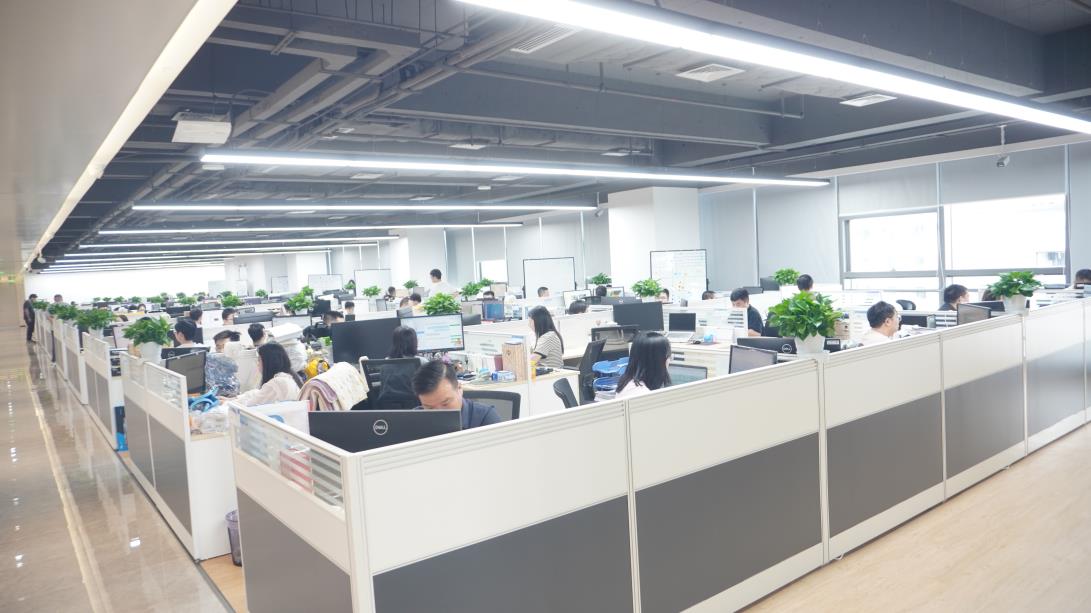
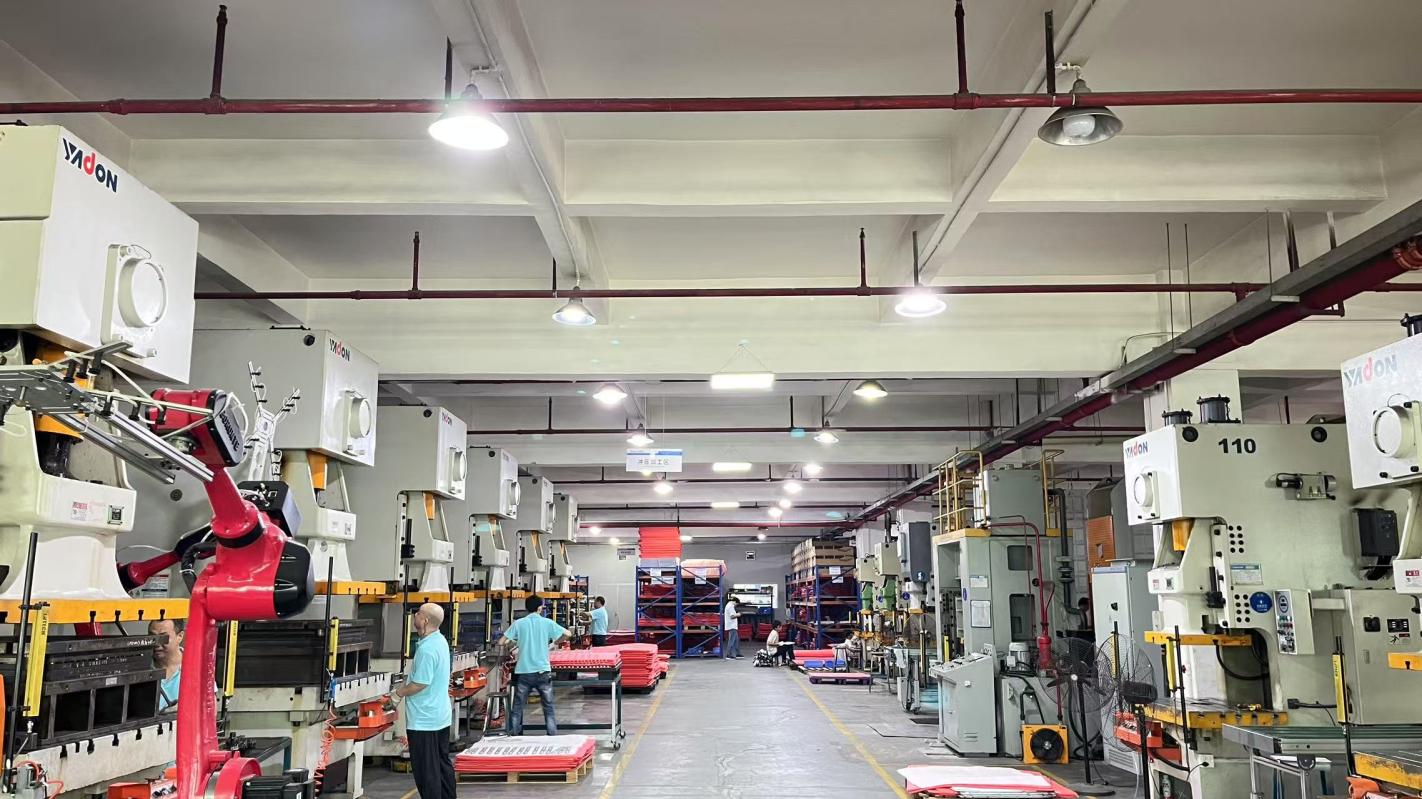
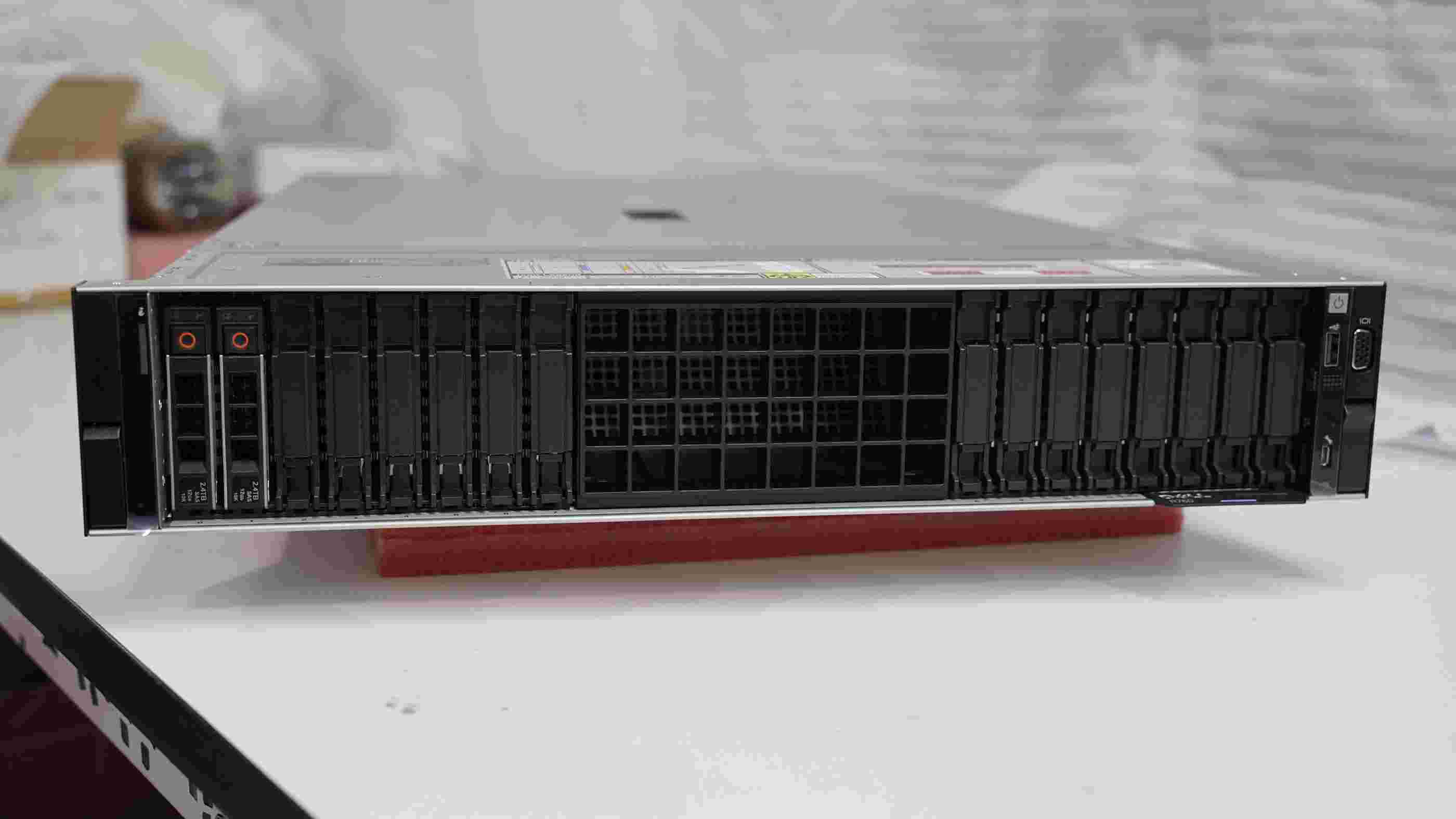
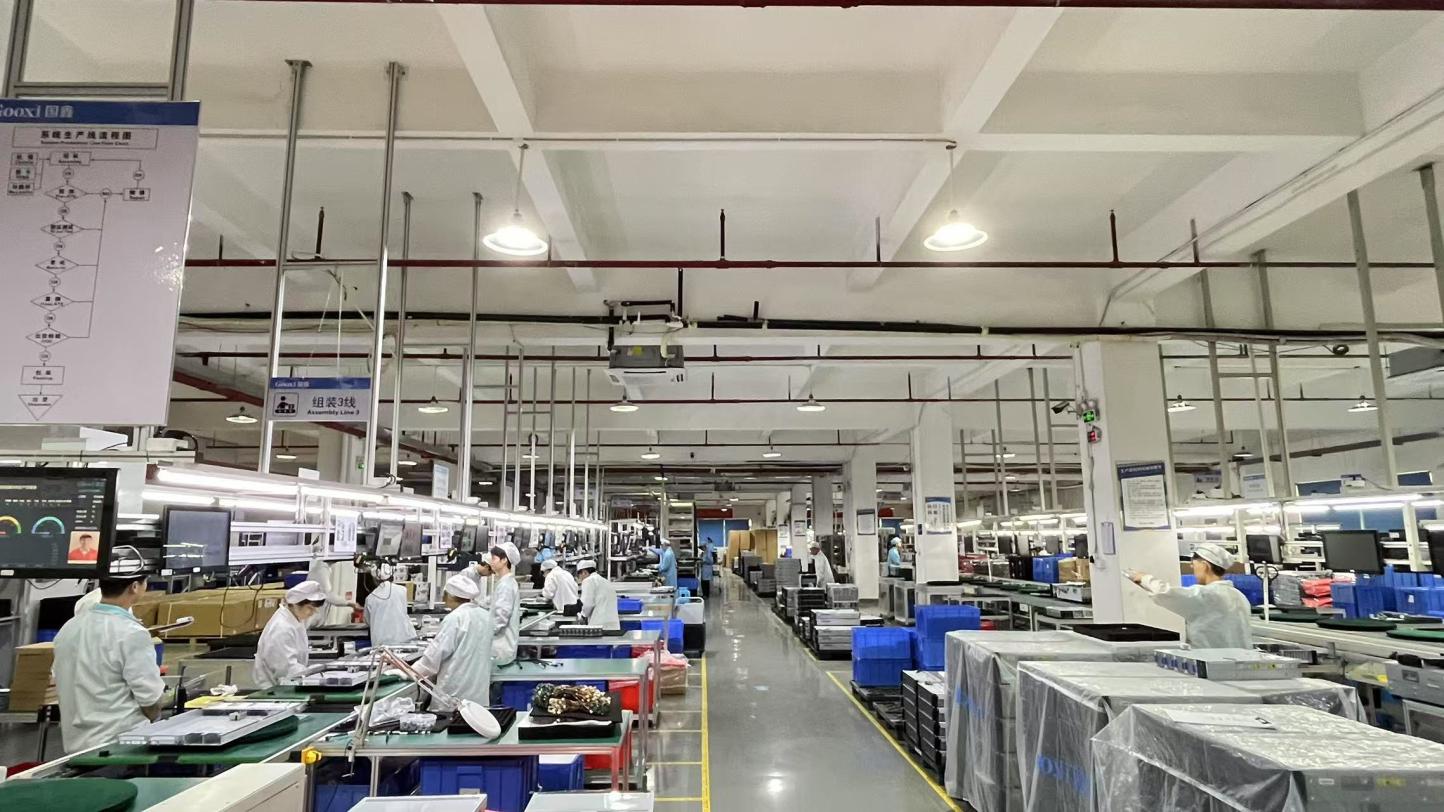
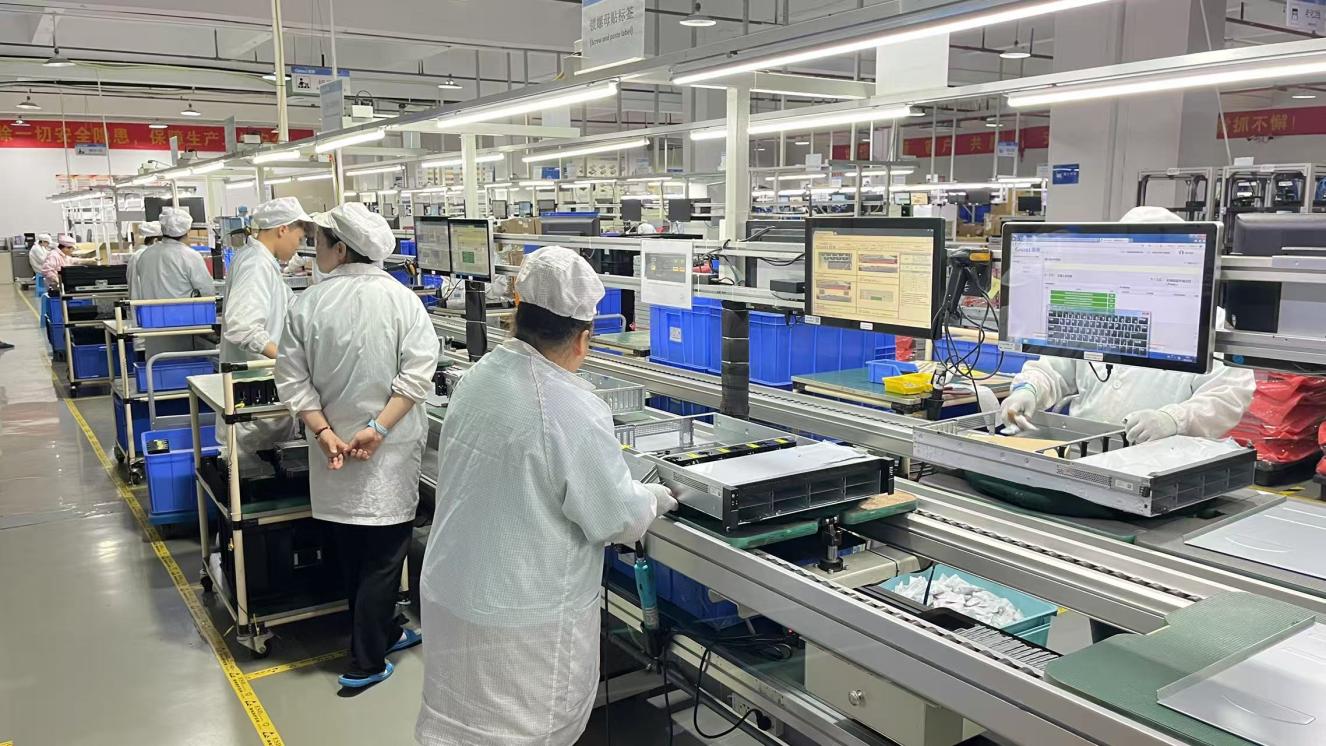

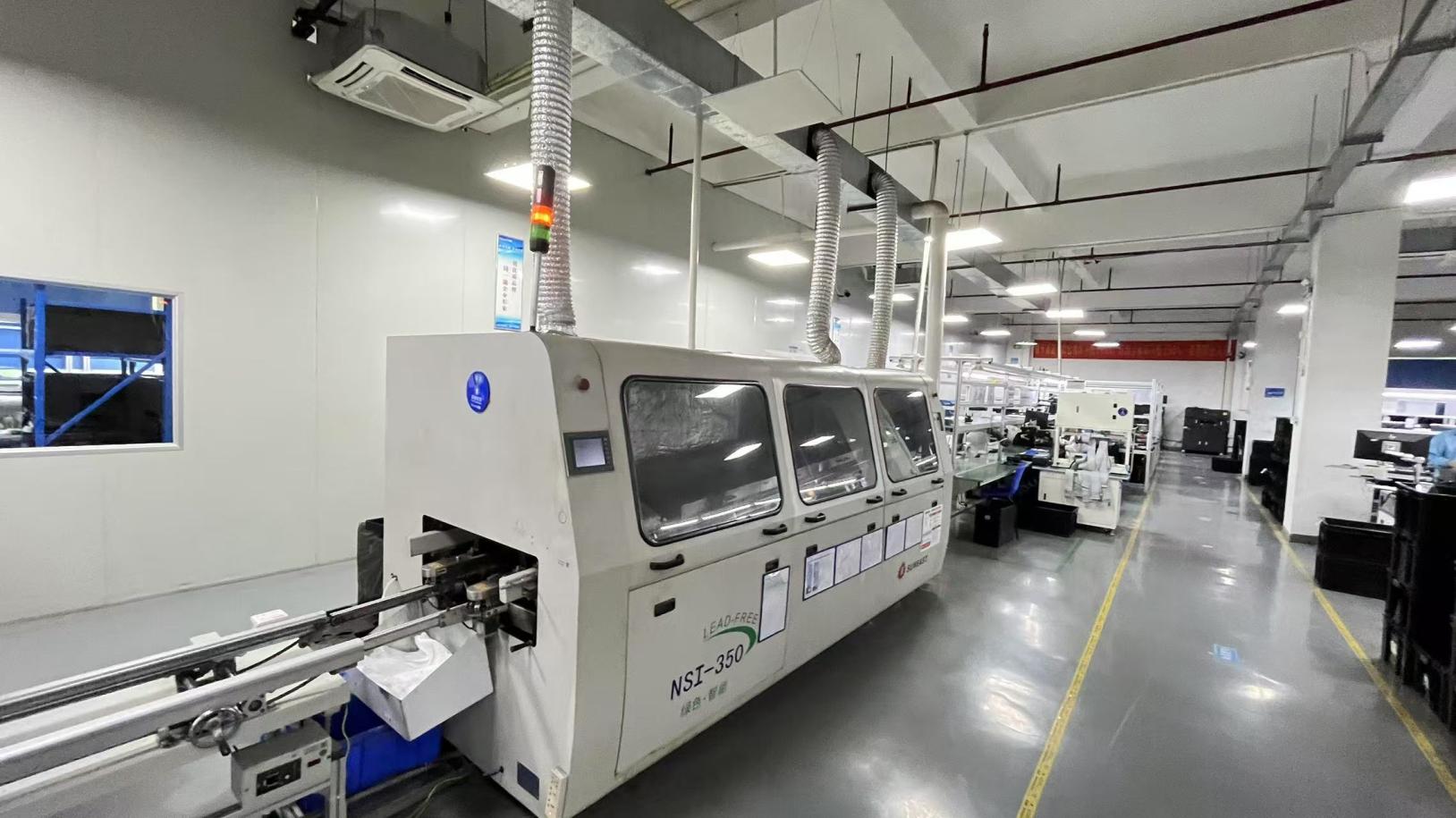
NexGPU implements strict quality controls across its production lines. Each batch of server RAM undergoes dynamic burn-in tests, thermal cycling, and logic analyzer diagnostics to verify timing parameters. Our quality control team includes 45+ inspectors, checking each module for standard JEDEC compliance.
Our supply chain network links over 1,200 strategic partners, providing access to graded DRAM chips (Samsung, SK Hynix, Micron). This helps support timely deliveries for large projects and enterprise buyers worldwide.
Our facilities and processes align with ISO 9001 and ISO 14001 standards. The products carry CE, FCC, RoHS, and UL certifications, meeting regulatory criteria for import and operation in North America, Europe, the Middle East, and the Asia-Pacific region.
Our OEM and ODM services include custom SPD settings, custom-branded heat sinks, and specific BIOS compatibility configurations for systems from Dell, HP, xFusion, Inspur, and Supermicro.
How next-generation memory architectures are evolving to meet the demands of advanced computing clusters.
The transition from DDR4 to DDR5 marks a significant architecture shift. DDR5 increases density by supporting up to 64Gb per die, doubling the capacity limit of DDR4 modules. It also increases initial data rates to 4800 MT/s, scaling past 6400 MT/s to deliver higher bandwidth to multi-core server processors.
A key difference is the power distribution layout: DDR5 moves power management from the motherboard to the module via a Power Management IC (PMIC). This design improves power efficiency, reduces motherboard complexity, and allows for more stable voltage control under heavy server loads.
Looking further ahead, Compute Express Link (CXL) memory expanders are set to change how servers scale capacity. By connecting memory via the high-speed PCIe Gen 5 interface, CXL allows servers to expand their memory capacity and bandwidth dynamically, helping virtualized workloads and big data analytics platforms access larger, pooled memory pools.
Answers to common technical and logistics questions regarding enterprise memory installations.
RDIMMs (Registered DIMMs) buffer the command, address, and control lines using a Register Clock Driver (RCD), reducing electrical load on the system bus. LRDIMMs (Load-Reduced DIMMs) add a data buffer for the data lines (DQ) as well. This extra buffering allows servers to support higher densities and more modules per memory channel, though it can introduce slightly higher latency than RDIMMs.
ECC (Error-Correcting Code) detects and corrects single-bit errors in real-time, preventing silent data corruption and unexpected system crashes. In data centers running 24/7, even minor electrical fluctuations or cosmic ray interactions can cause bit flips. ECC is critical for maintaining uptime and data integrity in business-critical environments.
Modern processors utilize multi-channel memory layouts (like 8-channel or 12-channel configurations in AMD EPYC and Intel Xeon platforms). To maximize memory bandwidth, modules must be installed in matching sets across all channels. Single-channel or unbalanced configurations can restrict CPU data paths, reducing overall system performance.
Our modules undergo comprehensive testing, including thermal cycling tests, 24-hour diagnostic runs under full workload stress, and compatibility validation on major server platforms from Dell, HP, xFusion, and Inspur. This ensures the modules are stable and fully compatible with target hardware configurations.
DDR4 relies on the server motherboard for voltage regulation, whereas DDR5 features a Power Management IC (PMIC) directly on the memory module. This layout improves power efficiency, reduces motherboard design complexity, and provides cleaner voltage control, which helps maintain stability during high-frequency operations.
High-performance components designed for enterprise integration, compatibility tested under load.