NexGPU
NexGPU
NexGPU
Explore our selection of top-performing switches, cloud AI server systems, and standard controller cards engineered for extreme reliability.
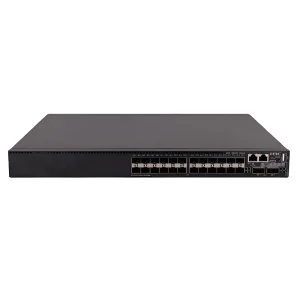
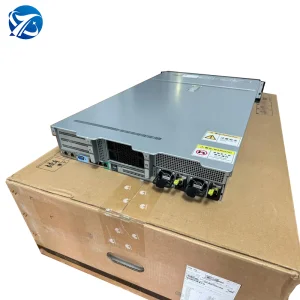
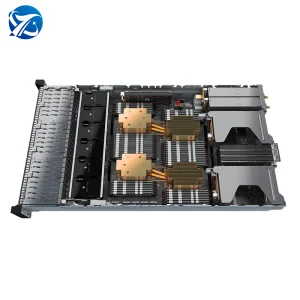
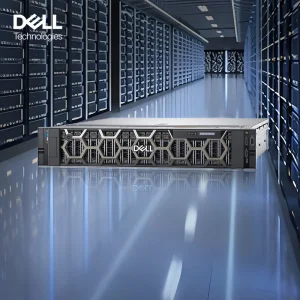
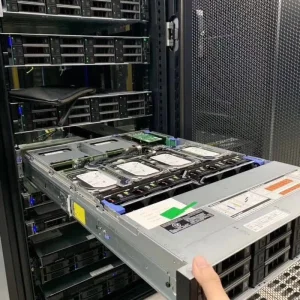
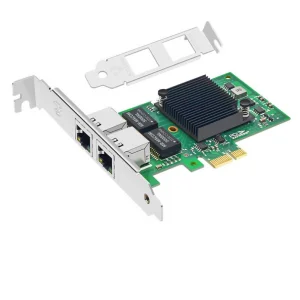
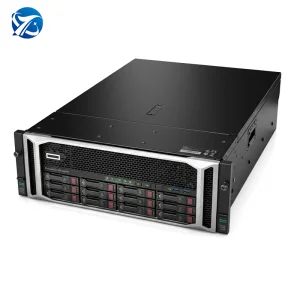
In the era of hyper-scale cloud deployments and AI-driven deep learning models like DeepSeek, data centers and enterprise networks demand high-bandwidth, non-blocking interconnects. Choosing the right Network Switch Factories & Exporters is no longer just a purchasing decision; it is a critical optimization of infrastructure, total cost of ownership (TCO), and supply chain resilience. As architectures shift from traditional multi-tier topologies to high-speed Spine-Leaf models, manufacturers must offer hardware that is not only robust but capable of accommodating advanced telemetry, Open Network Install Environments (ONIE), and silicon-level energy efficiencies.
High-performance switching ASICs designed for ultra-low latency. Supports programmable pipelines and deep packet buffering to eliminate packet loss during burst traffic.
Seamless integration with open-source network OS environments (SONiC, Cumulus Linux). Enables dynamic routing, advanced telemetry, and simplified automated orchestration.
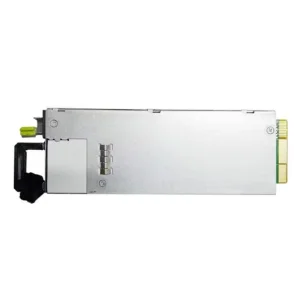
Designed for continuous 24/7/365 operations with hot-swappable redundant power supplies (PSUs) and cooling fans, certified to meet rigorous global standards.
Pioneering AI computing infrastructure and high-performance server network fabrics from Shenzhen to the world.
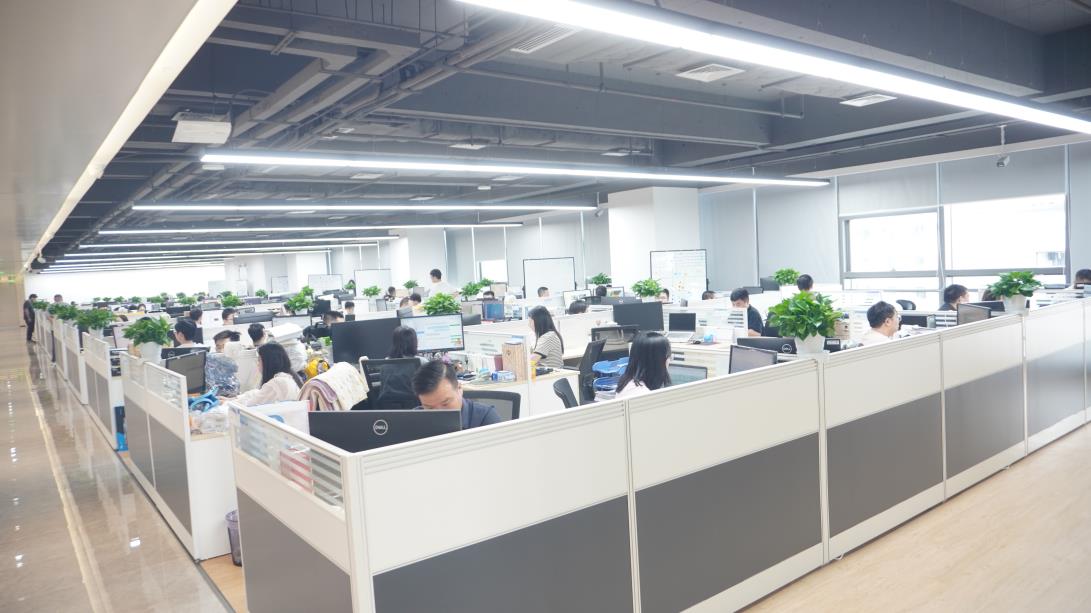
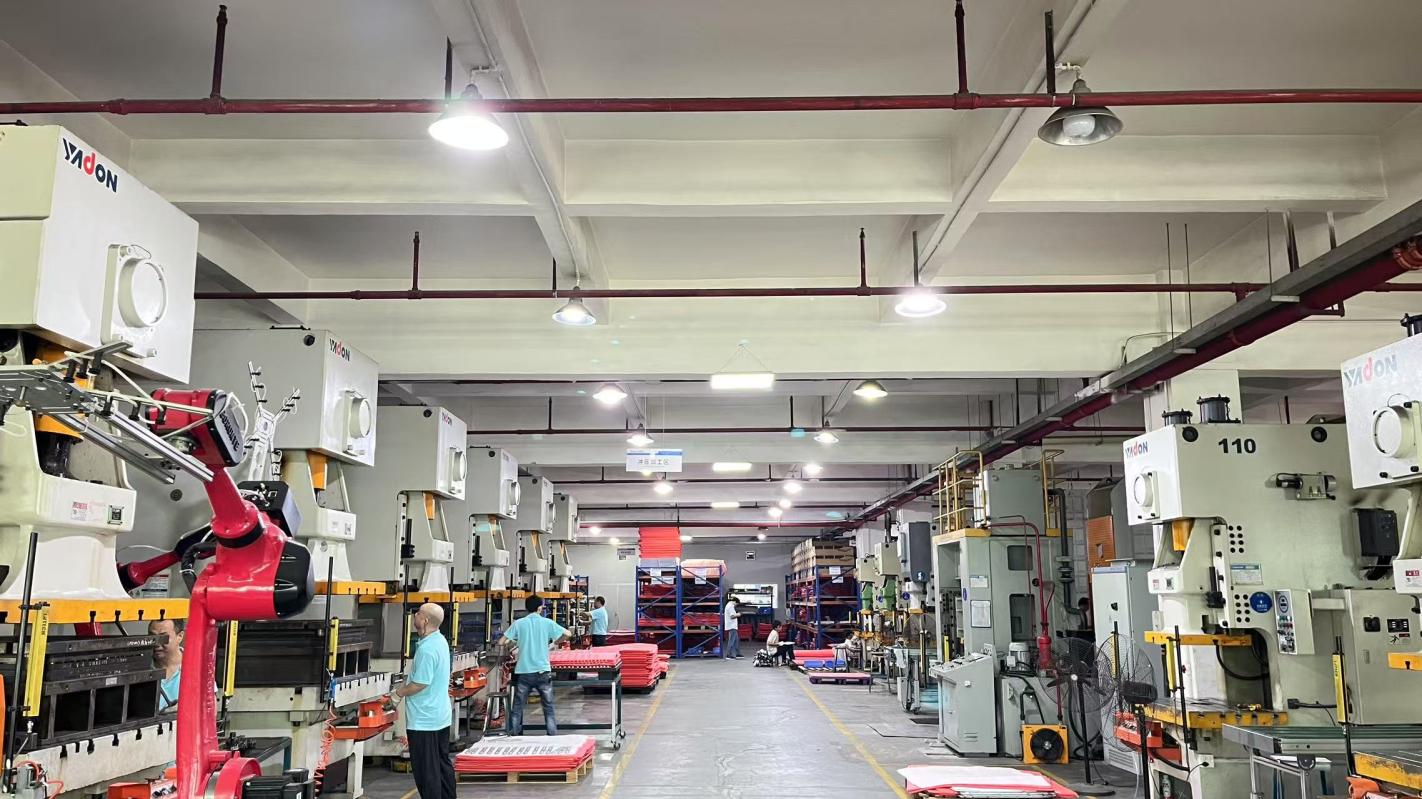
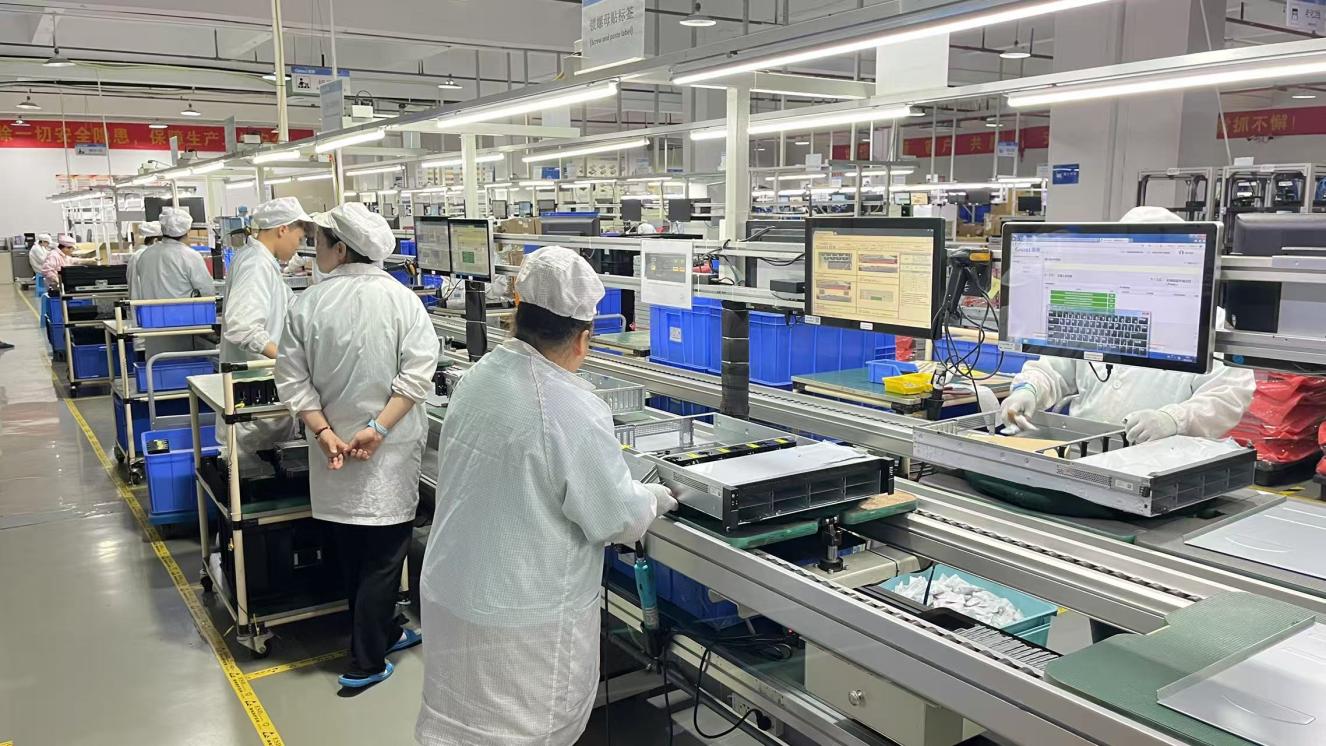
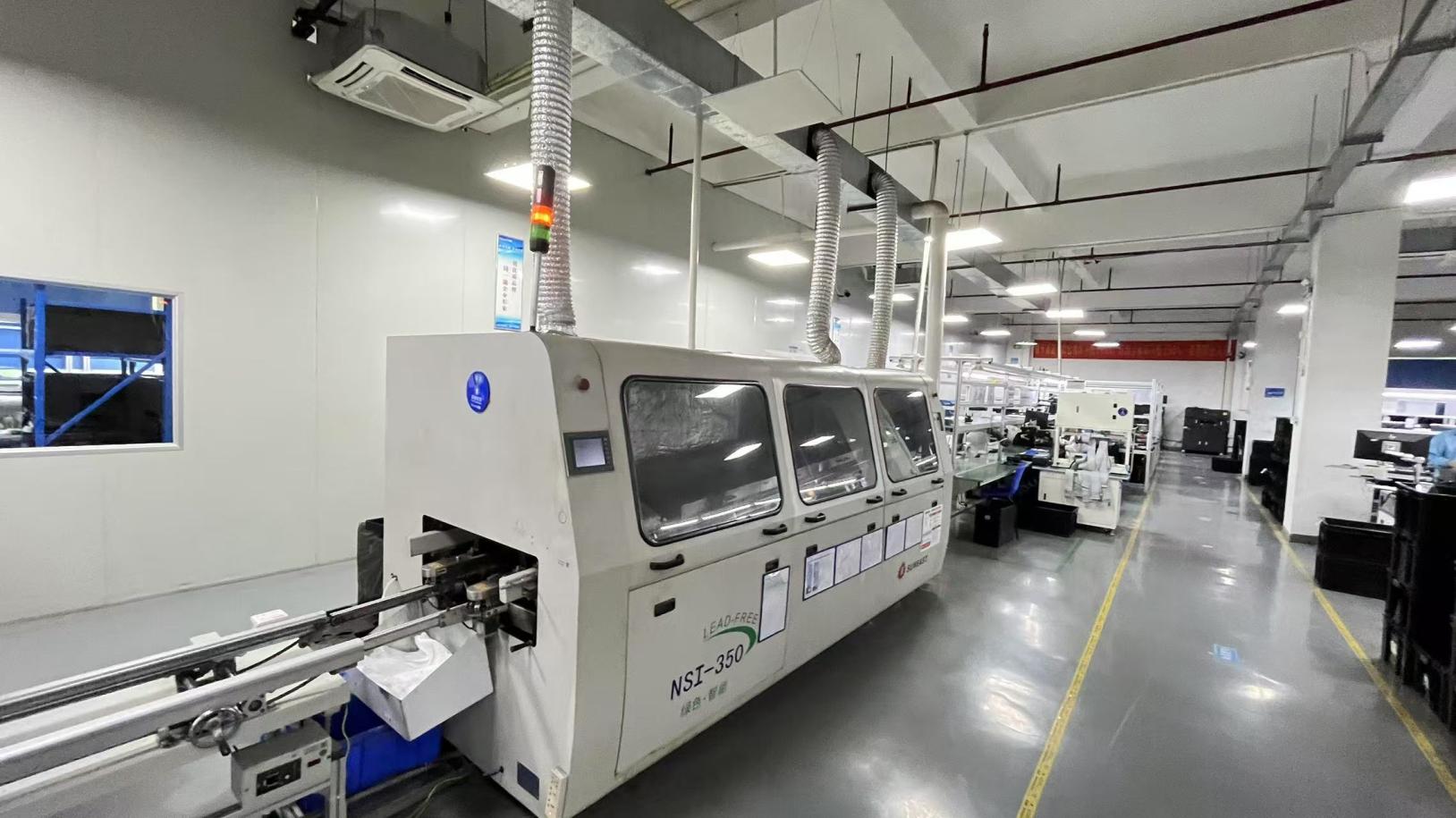
Founded in 2017, NexGPU Intelligent Computing Technology Co., Ltd. is a professional manufacturer specializing in GPU servers, AI computing infrastructure, high-performance computing (HPC) systems, and customized network solutions for global customers. Headquartered in Shenzhen, China, the company operates a modern manufacturing facility covering over 380 square meters, equipped with advanced assembly, testing, and quality control systems.
With more than 9 years of industry experience and 7 years of export experience, NexGPU has established itself as a trusted partner for cloud service providers, research institutions, and enterprises. Backed by a strategic supply chain of over 1,200 partners, we engineer systems that optimize throughput, minimize latency, and drive data integration at scale.


Understanding the transition parameters of physical fabrics, silicon photonics, and green operations.
As machine learning clusters scale, traditional 10G/40G backplanes struggle to handle the synchronized parameter exchanges of deep neural networks. Leading network switch manufacturers are migrating from legacy architectures to high-speed PAM4 modulated 400G and 800G switching fabrics. This paradigm shift requires not only advanced ASIC chipsets but ultra-dense physical layer configurations. The introduction of Silicon Photonics (SiPh) and Co-Packaged Optics (CPO) is replacing traditional pluggable transceivers (QSFP-DD, OSFP) to reduce signal degradation and lower transceiver power consumption by up to 30%.
AI model training pipelines are uniquely sensitive to network latency and packet drops. Standard TCP/IP protocols introduce unacceptable processing overhead. Modern layer-3 switches leverage RDMA over Converged Ethernet (RoCEv2) to allow direct memory access across nodes without CPU involvement. To implement this without packet loss, manufacturers configure hardware switches to support Priority Flow Control (PFC, IEEE 802.1Qbb) and Explicit Congestion Notification (ECN). This ensures that burst traffic does not trigger packet drops or head-of-line blocking, maintaining high training efficiency.
The network switch is no longer a isolated device; it is a collaborative element in a wider computational fabric. Through the deployment of Smart Network Interface Cards (SmartNICs) and Data Processing Units (DPUs), operations like virtual routing, network address translation (NAT), and firewall security filtering are offloaded directly to the hardware interfaces. This relieves CPU resources on the host servers, optimizing the data path and ensuring that network switches operate at line-rate speed even under heavy application-layer workloads.
With environmental policies restricting carbon footprints, data centers must focus on power utilization efficiency (PUE). Modern switches integrate Energy Efficient Ethernet (EEE, IEEE 802.3az) to dynamically power down circuits during periods of low activity. Furthermore, advanced physical designs feature front-to-back airflow optimization and support integration into liquid cooling manifolds, allowing devices to operate safely at higher ambient temperatures, thereby reducing cooling costs.
Why sourcing network infrastructure from specialized Shenzhen clusters offers unmatched strategic flexibility.
From raw multi-layer PCB fabrication and SMT component mounting to custom sheet metal chassis fabrication and final optical testing, every step is localized within the Pearl River Delta industrial ecosystem.
Leveraging a large pool of hardware engineers, firmware developers, and compliance experts who ensure hardware meets the stringent operating requirements of global networks.
Custom design iterations (OEM/ODM) can move from schematic design to working prototype in as little as 3–4 weeks, vastly outpacing traditional Western manufacturing timelines.
The convergence of advanced manufacturing technology and dense supply networks allows Chinese exporters to deliver devices with highly competitive cost-to-performance ratios. Manufacturers optimize component layout, sourcing directly from semiconductor foundries and component plants located within a 50-mile radius. This geographical centralization mitigates risks related to logistics delays, port congestion, and high shipping costs.
Furthermore, by deploying automated optical inspection (AOI), high-precision robotic soldering, and environmental stress screening (ESS) chambers, factories like NexGPU eliminate human error in high-frequency signal paths. As a result, exported hardware matches or exceeds the quality standards expected by Tier-1 network operators globally.
A structured evaluation framework for network switch procurement officers and systems integrators.
Analyze operational expenditures (OpEx) including power efficiency, support costs, and licensing fees. Open networking switches (using white-box hardware and decoupled software) typically reduce CapEx by up to 50% and OpEx by 30% compared to legacy proprietary vendors.
Ensure switches comply with IEEE standards (802.3ae/ba/by/bs). In mixed-vendor environments, test multi-chassis link aggregation (M-LAG) and Link Aggregation Control Protocol (LACP) compatibility to prevent configuration lock-in.
Validate the supplier's export experience and localized warehousing support. Confirm the availability of hardware warranties (up to 3 years) and prompt replacement services for critical components like optical modules and power supply units.
Navigating the regulatory landscape for seamless import and deployment in North America, Europe, and Asia-Pacific.
Deploying infrastructure globally requires strict compliance with domestic electrical and environmental regulations. Sourcing from experienced exporters like NexGPU ensures your hardware meets all relevant international certifications:
Additionally, reliable exporters offer localization services, including firmware customized with multi-language command-line interfaces (CLIs), localized plug standards (NEMA, C13/C14, Schuko), and remote engineering support across overlapping time zones. This reduces deployment delays and integration risks for engineering teams.
Get answers to common technical and logistics questions about networking hardware procurement.
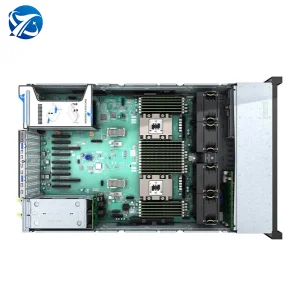
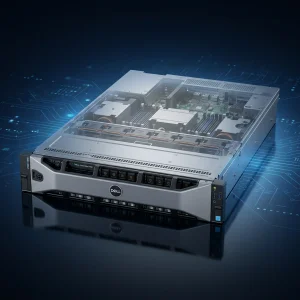
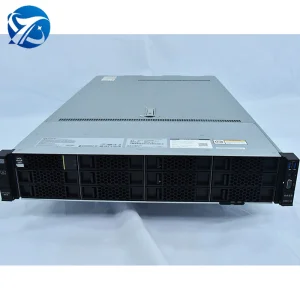
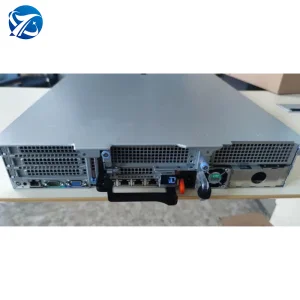
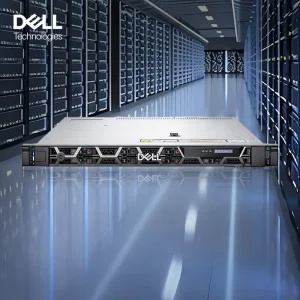
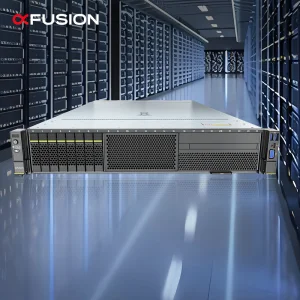
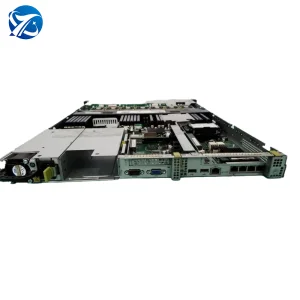
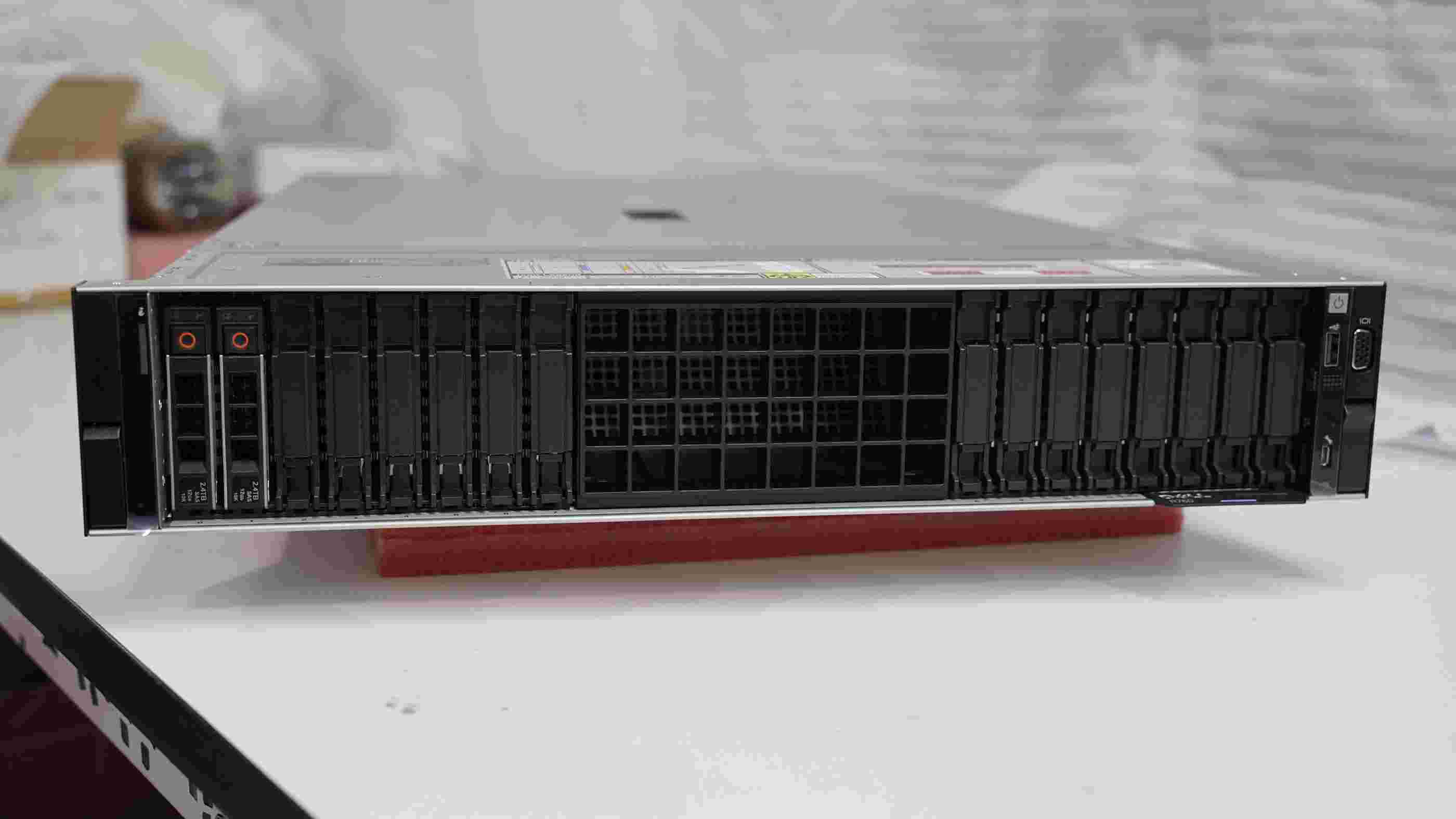
Enterprise rackmount servers, power supplies, and high-speed network nodes optimized for low latency and high uptime.