NexGPU
NexGPU
NexGPU
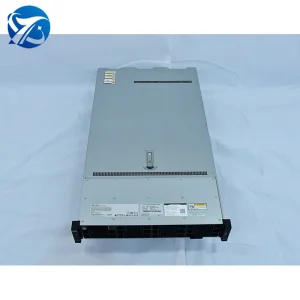
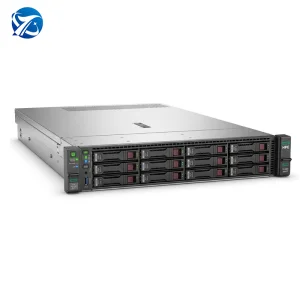
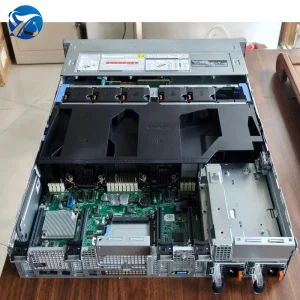
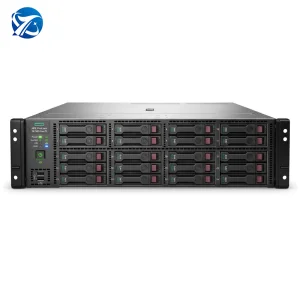
Modern computational ecosystems demand unprecedented scalability, hardline physical-layer security, and highly efficient thermals. As global organizations shift their workflows toward hybrid-cloud setups and local AI model fine-tuning, the demand for enterprise-grade rack servers has surged. Leading this paradigm is the HPE ProLiant Gen11 platform, engineered to process compute-intensive tasks with minimal latency.
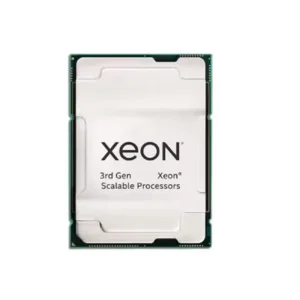
The integration of the latest Intel® Xeon® Scalable Processors and AMD EPYC™ processors within HPE Gen11 frameworks enables massive parallel processing capabilities. Supported by high-speed DDR5 memory operating at bandwidths reaching up to 6400 MT/s, these platforms eliminate bottlenecks in memory-intensive databases. Furthermore, the inclusion of PCIe Gen5 slots doubles the I/O throughput compared to Gen4, providing direct pathways for high-speed network interface cards (NICs), enterprise NVMe SSD arrays, and state-of-the-art GPU accelerators.
In an era of sophisticated supply-chain vulnerabilities, HPE's proprietary Silicon Root of Trust protects the server from the boot stage up. By anchoring the firmware security directly into the ASIC chip, it prevents compromised code from executing. This level of safety, combined with CE Certification (European Conformity), guarantees that exported systems comply with strict electrical safety, electromagnetic compatibility (EMC), and low-voltage directives, assuring global enterprise procurers of absolute operational reliability.
Strategically centered in Shenzhen, China's Silicon Valley, NexGPU Intelligent Computing Technology Co., Ltd. coordinates a world-class manufacturing operation designed to deliver custom, enterprise-level server configurations. The convergence of physical supply infrastructure and engineering talent in South China enables a rapid production cycle that cannot be replicated elsewhere.
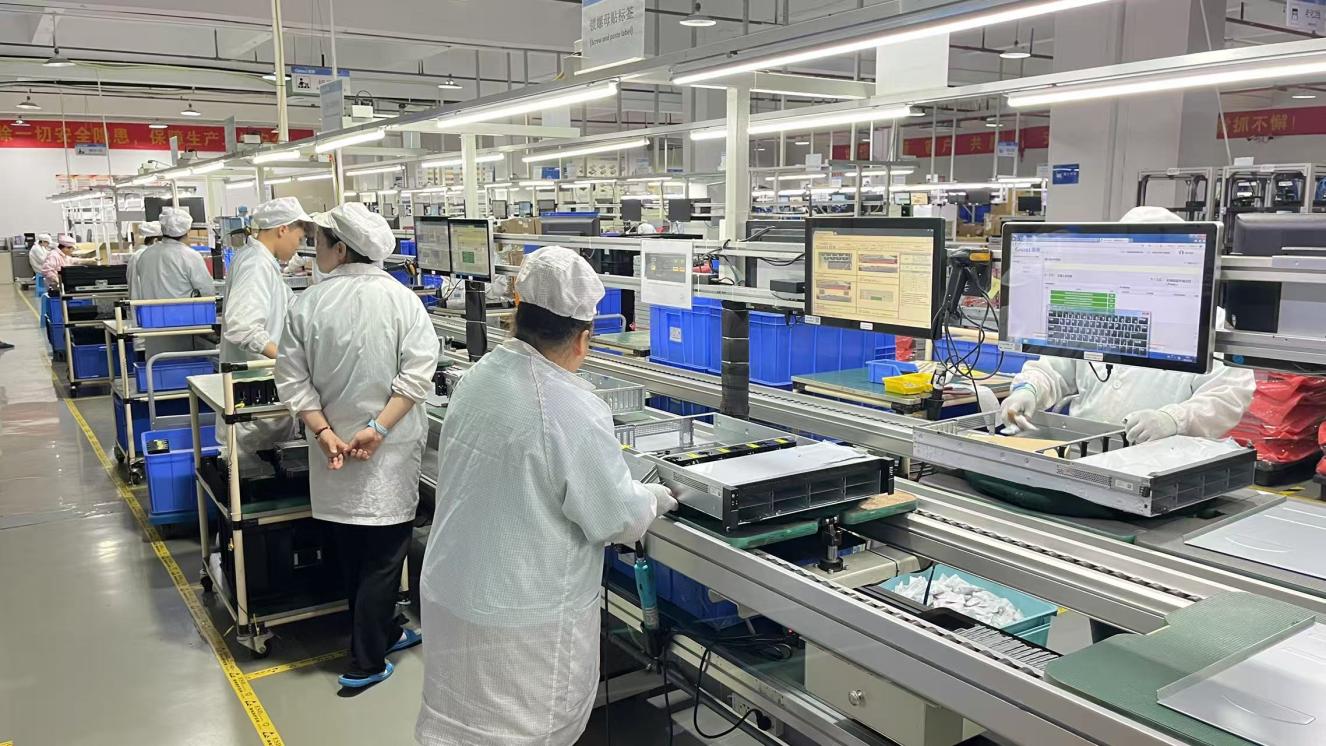
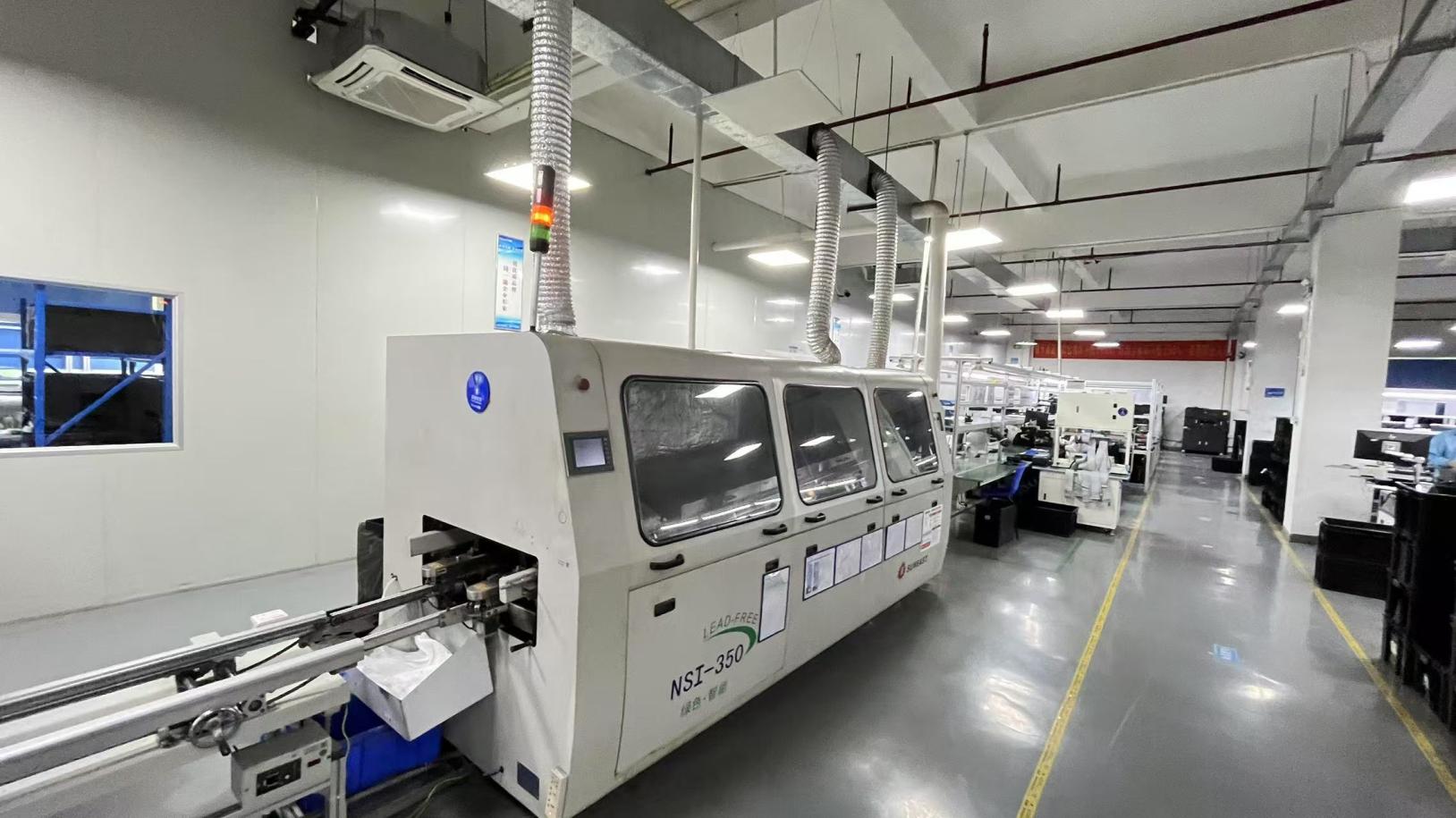
Founded in 2017, NexGPU Intelligent Computing Technology Co., Ltd. is a professional manufacturer specializing in GPU servers, AI computing infrastructure, high-performance computing (HPC) systems, and customized server solutions for global customers. Headquartered in Shenzhen, China, the company operates a modern manufacturing facility covering over 380 square meters, equipped with advanced assembly, testing, and quality control systems.
With more than 9 years of industry experience and 7 years of export experience, NexGPU has established itself as a trusted supplier for enterprises, cloud service providers, research institutions, AI startups, data centers, and system integrators worldwide. Our annual export revenue exceeds USD 18 million, serving customers across North America, Europe, Southeast Asia, the Middle East, and Oceania.
Supported by a strong global supply chain network of more than 1,200 strategic partners, NexGPU can efficiently source premium components and deliver flexible manufacturing solutions to meet diverse customer requirements. We offer extensive OEM and ODM services, including hardware configuration customization, chassis branding, firmware optimization, rack integration, and AI infrastructure deployment solutions.
Innovation is at the core of our business. Our R&D department includes over 120 engineers specializing in server architecture, thermal management, AI computing optimization, and system integration. Each year, NexGPU launches more than 80 new products and solution upgrades to address the rapidly evolving demands of artificial intelligence, machine learning, cloud computing, and enterprise data processing.
Compliance with CE standards is not just a regulatory checkbox; it is a fundamental design criterion for NexGPU. For server platforms like the HPE ProLiant and xFusion systems to safely enter markets in the European Economic Area (EEA), they must undergo exhaustive testing for electromagnetic radiation limits, low-voltage power supply safety, and hazardous materials restriction (RoHS).
NexGPU maintains strict quality management standards throughout the production process. Every product undergoes comprehensive reliability testing, performance verification, burn-in testing, compatibility validation, and final inspection before shipment. Our dedicated quality control team consists of over 45 experienced inspectors, ensuring consistent product quality and reliability.
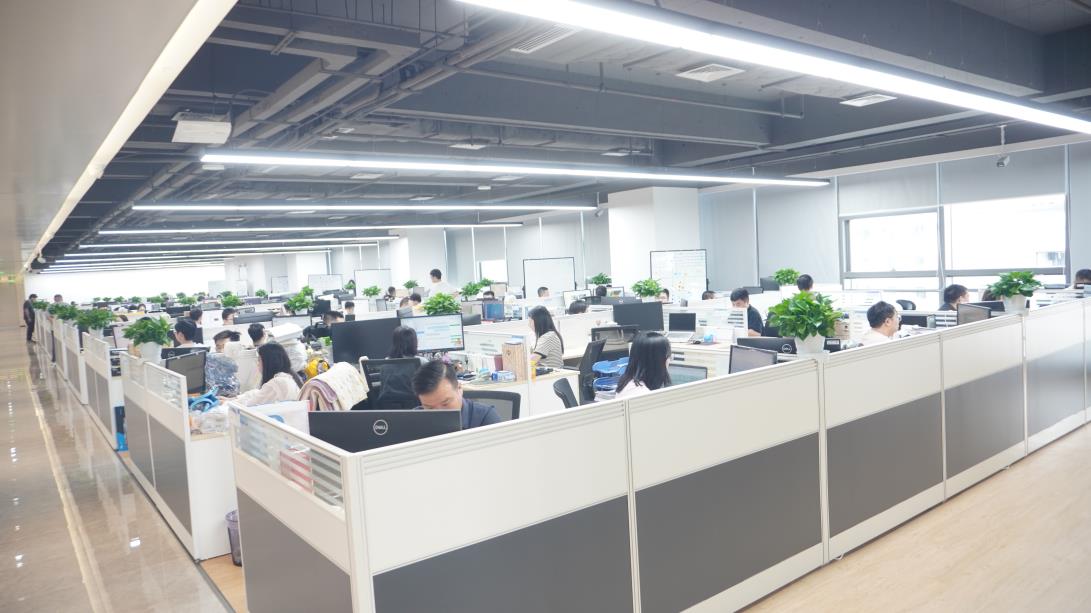
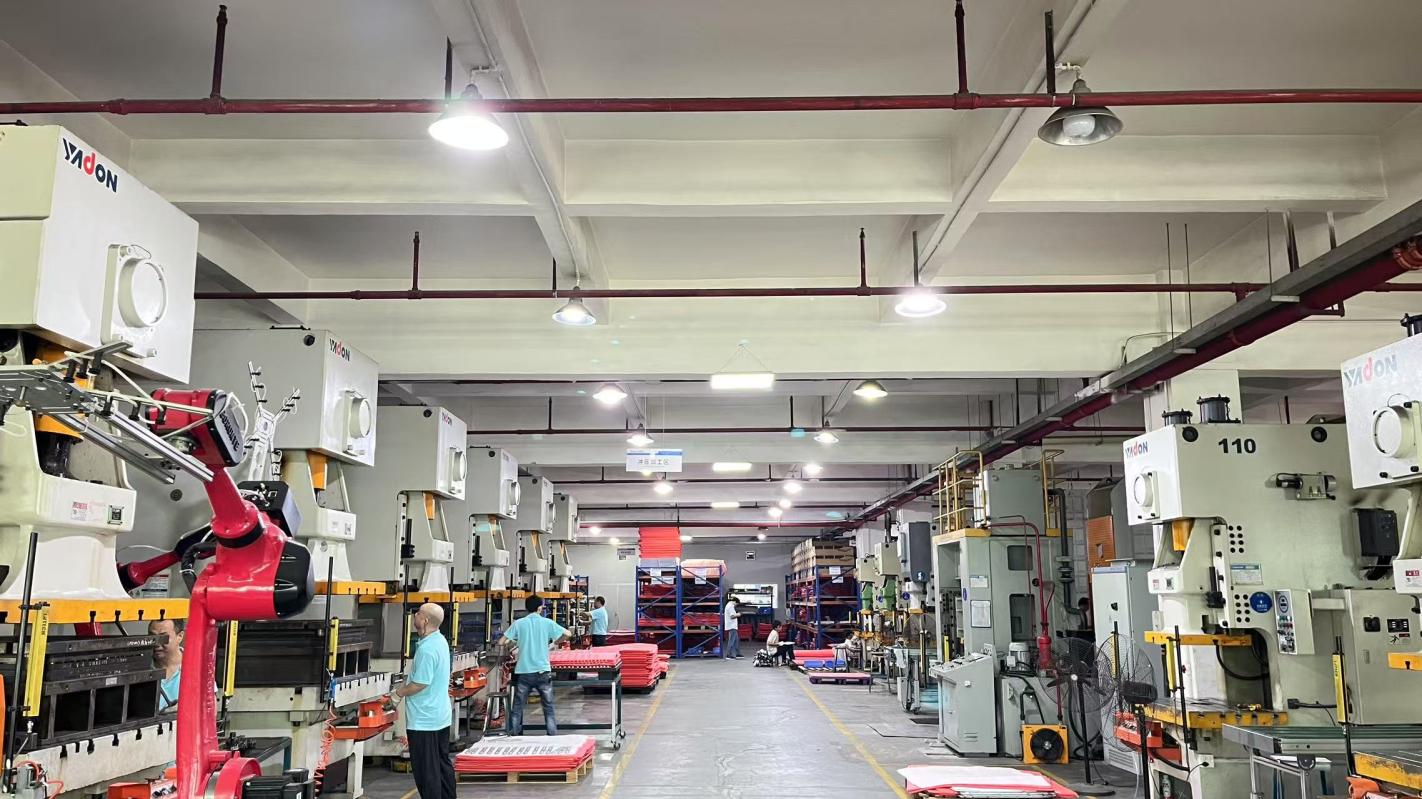
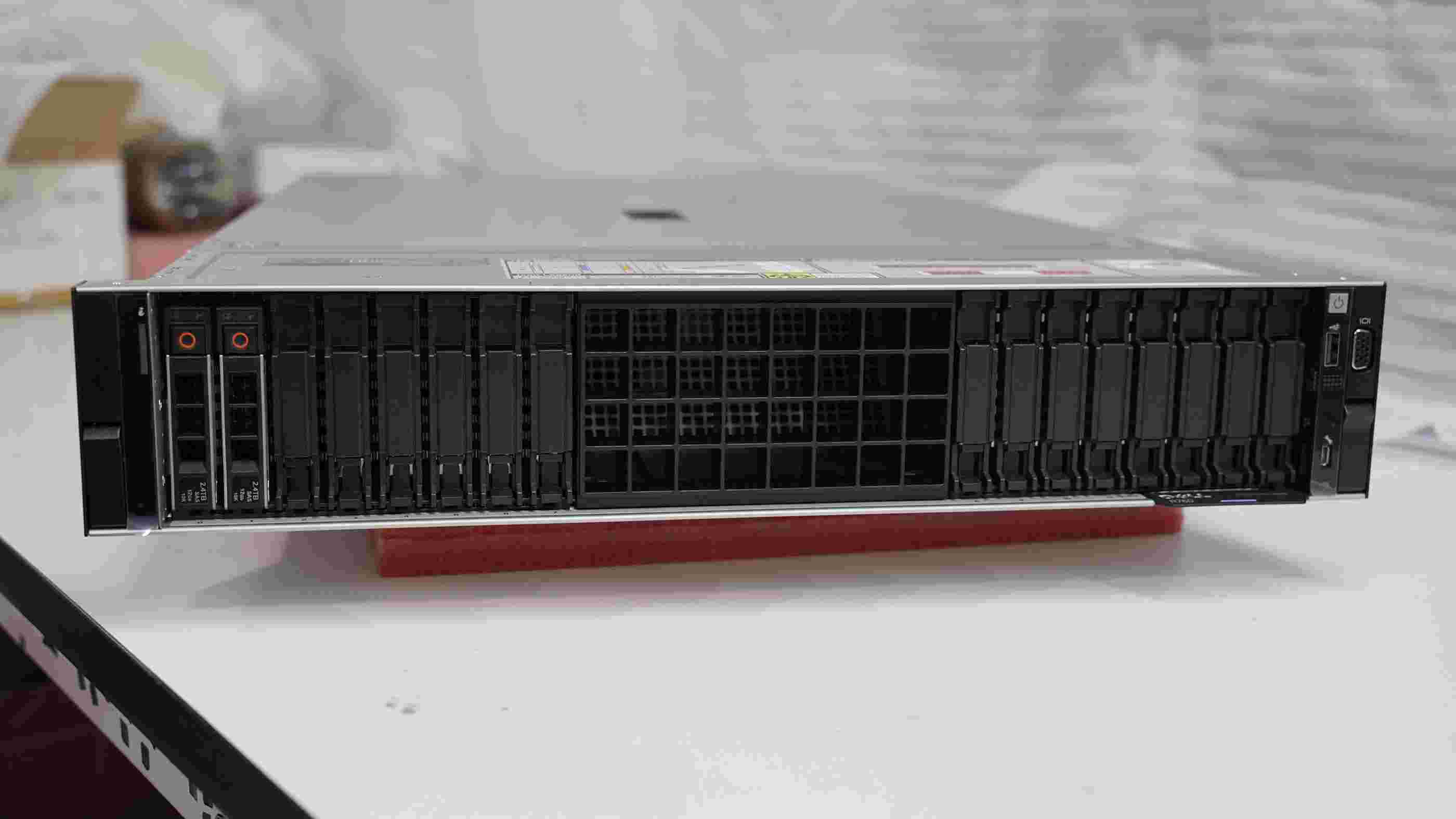
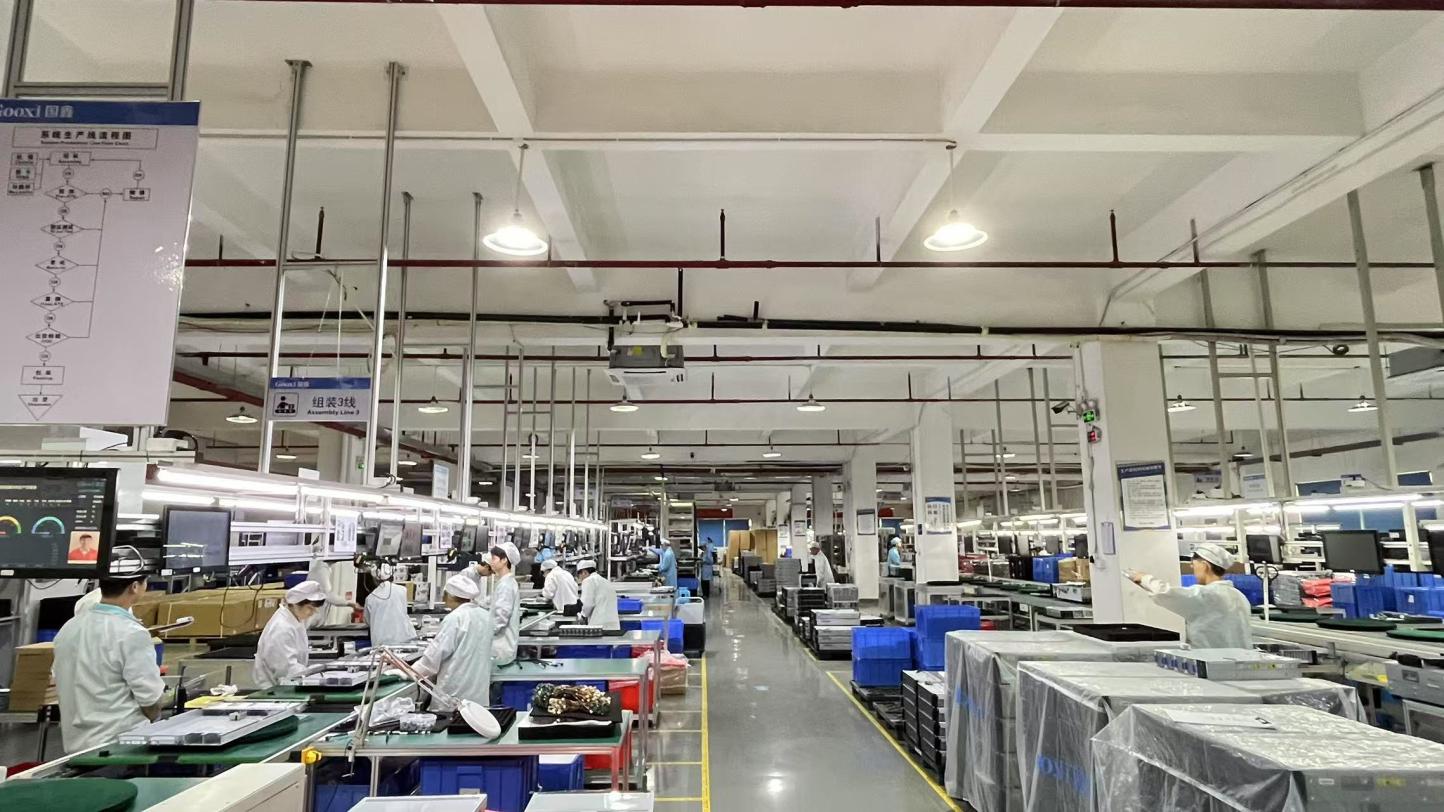

As the digital landscape evolves, enterprise servers are no longer confined to climate-controlled central offices. Modern computing hardware must function reliably across diverse, demanding environments—from edge installations in smart factories to high-density arrays in regional AI data centers.
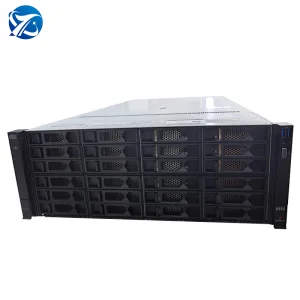
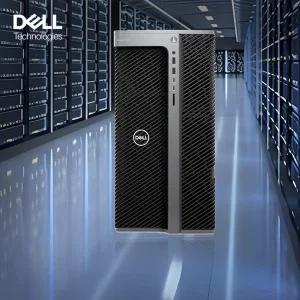
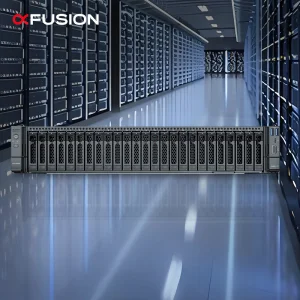
With the rise of large-scale AI applications like DeepSeek, standard CPU computational nodes are insufficient. GPU-accelerated computing platforms, such as the xFusion G5500 V7 and high-density GPU work stations, allow organizations to execute deep learning model training, reinforcement learning loops, and dense neural network inference. These systems require optimized thermal airflow management to prevent thermal throttling under continuous, high-TDP operations.
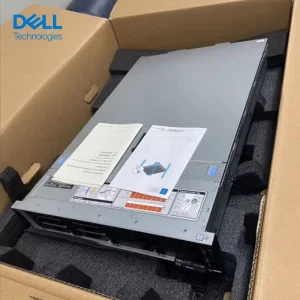
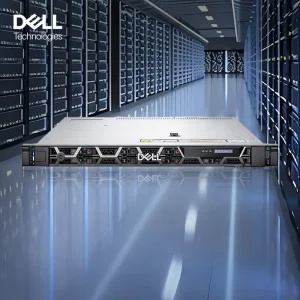
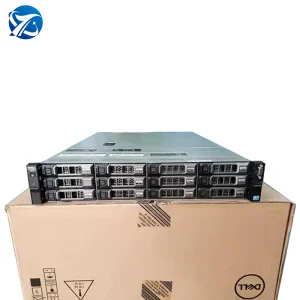
Hosting providers and massive enterprise intranets use servers like the HPE ProLiant DL380 Gen11 and Dell PowerEdge R7625 to cluster multiple virtual machines (VMs). Equipped with AMD EPYC 9654 processors and high-capacity system memory (up to 512GB DDR5 or higher), these units maximize compute density per rack unit, reducing operational overhead and overall power draw.
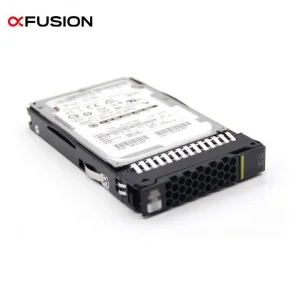
Financial institutions, medical data centers, and IoT systems depend on fast read/write performance. Using enterprise-grade SATA and NVMe solid-state drives, such as the PM897 hybrid series, combined with multi-socket configurations (such as the Dell R960 or xFusion 2488H V7 4-socket system), ensures that massive transactional databases scale smoothly and prevent transactional delay.
As we approach 2026, several structural shifts are redefining the global enterprise computing market. Chief among these is the transition to liquid cooling systems, driven by TDP limits exceeding 350W on modern CPUs and 700W+ on high-performance GPUs. Air cooling mechanisms are reaching their physical thresholds, making hybrid liquid-to-air cooling options a critical area of R&D.
Furthermore, the adoption of the CXL (Compute Express Link) protocol represents a major shift in resource pooling. CXL allows CPUs, GPUs, and memory pools to communicate with sub-microsecond latencies, enabling dynamic memory sharing and reducing the need for costly memory over-provisioning.
Finally, corporate sustainability mandates are reshaping hardware procurement. Organizations are moving away from proprietary architectures in favor of modular designs that permit target component upgrades. This approach helps reduce electronic waste and extends the operating lifecycle of rack enclosures, power supplies, and cabling infrastructure.
CE Certification is a mandatory requirement for importing electronic equipment into the European Economic Area (EEA). It ensures that the servers comply with stringent safety regulations, including electromagnetic interference (EMI) limits under the EMC Directive and safety requirements under the Low Voltage Directive (LVD). NexGPU servers undergo comprehensive certified testing to guarantee safe installation in any European data center.
NexGPU maintains a strict quality control system managed by 45+ professional inspectors. We implement a multi-stage verification process: individual component screening, post-assembly inspection, continuous high-load burn-in testing, and compatibility testing with virtualization software.
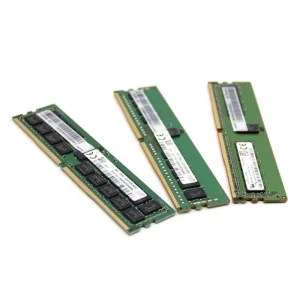
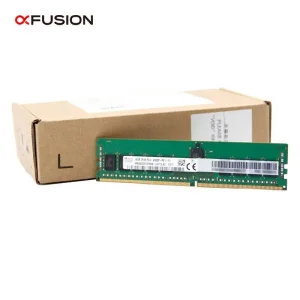
DDR5 RAM doubles the bandwidth performance of DDR4, scaling up to 4800 MT/s - 6400 MT/s, while operating at a lower base voltage of 1.1V compared to DDR4's 1.2V. Additionally, DDR5 introduces on-die ECC (Error Correction Code), which adds a layer of memory reliability that minimizes system crashes under virtualized workloads.
Yes, our R&D department features over 120 experienced engineers who specialize in custom server designs. We provide OEM/ODM services, including customized chassis sheet metal fabrication, custom front bezels with company branding, specialized BIOS/UEFI firmware code, and pre-installed custom OS images.