NexGPU
NexGPU
NexGPU
High-performance rack server systems tailored for heavy virtualization, edge nodes, and database deployments in the Bangkok Metropole and EEC industrial sectors.
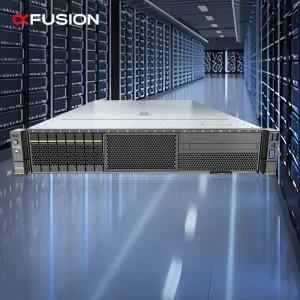
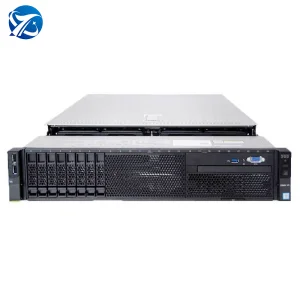
As Thailand transitions rapidly under the national "Thailand 4.0" framework, local enterprises are restructuring their business models to leverage automation, IoT, AI, and big data. At the center of this technological revolution is the Eastern Economic Corridor (EEC) initiative, which spans Chonburi, Rayong, and Chachoengsao provinces. These zones are no longer just manufacturing assembly lines; they are transforming into smart industrial ecosystems. Modern factories require high-capacity, low-latency computational power on-site to run machine vision inspection, robotic control loops, and predictive maintenance engines. To power these operations, reliable and energy-efficient 2U rack servers, such as the xFusion FusionServer series, have become critical hardware dependencies.
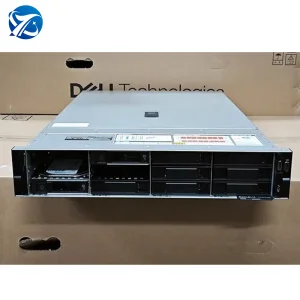
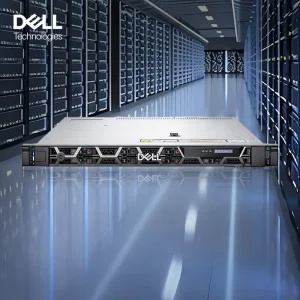
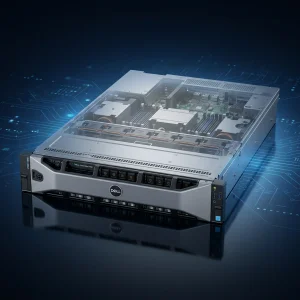
Simultaneously, the financial services sector in Bangkok, along with the booming logistics sector connected to the Laem Chabang port, is generating massive amounts of data daily. This transaction-heavy environment requires hyperconverged server architectures that can seamlessly scale without massive disruptions to legacy setups. Businesses are migrating from older, inefficient server stacks to high-density solutions like the xFusion 2288H V6 and Dell PowerEdge platforms. The target is clear: minimize physical footprint, reduce cooling expenses in Thailand's tropical climate, and ensure absolute hardware redundancy.
Strategic Insight: The implementation of local cloud availability zones by major global hyperscalers in Bangkok has triggered a corresponding modernization wave among local private cloud providers, requiring robust hardware infrastructure capable of carrying multi-tenant containerized workloads.
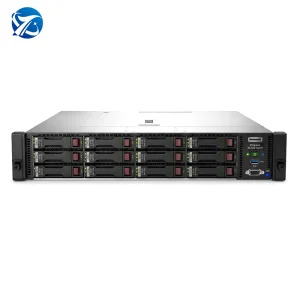
Globally, the server procurement market is split between traditional general-purpose virtualization hardware and AI-focused high-performance computing (HPC) nodes. The explosive growth of deep learning and large language models (LLMs) has forced companies to review their thermal architectures. Multi-GPU servers running high-wattage components produce intense heat, making liquid cooling technologies—like those utilized in the HPE ProLiant Gen12 systems—a necessity rather than an option. Furthermore, modern enterprises are looking for secure, reliable supply chains that can deliver pre-configured rack units directly to data center locations, reducing configuration time from weeks to hours.
For organizations operating in Thailand and wider Southeast Asia, energy efficiency (PUE - Power Usage Effectiveness) is a major concern. High electricity rates and high ambient air temperatures mean that deploying a standard rack setup can lead to huge cooling overheads. This is why servers designed with smart airflow pathways, dynamic fan adjustments, and high-efficiency titanium power supplies (such as 1500W-3000W redundant units) are preferred. Systems that integrate out-of-band management controllers like xFusion's iBMC allow remote administrators to monitor thermal metrics, manage power caps, and diagnose hardware errors without setting foot in the facility.
Our operational capacity and track record in delivering high-density computing systems worldwide.
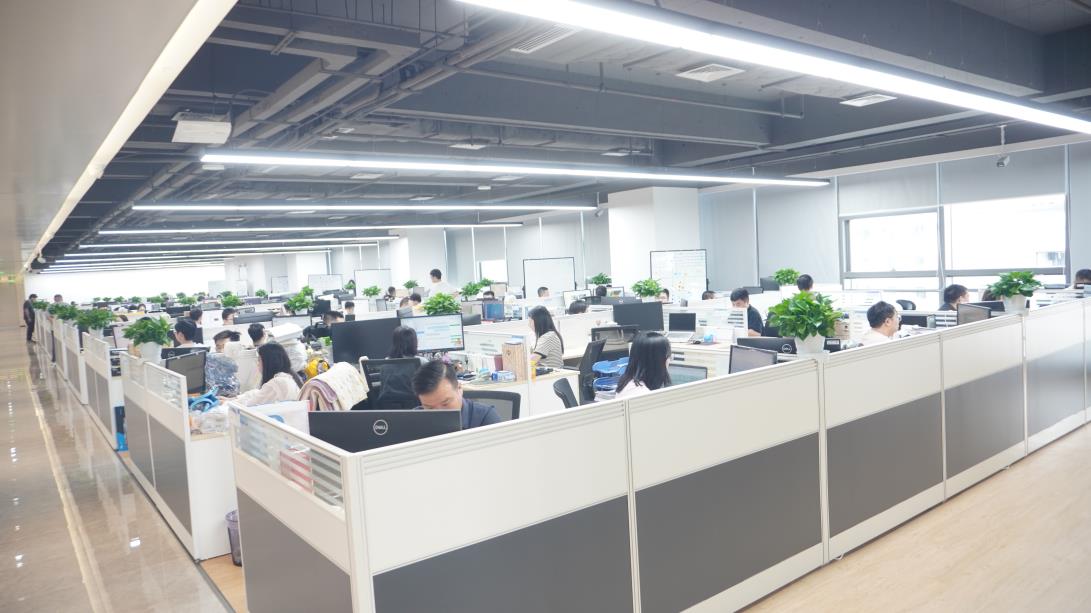
Over 120 engineers specializing in server thermal dynamics, board design, and high-frequency trace routing, releasing 80+ product iterations annually.
A dedicated team of 45+ inspectors conducting high-temperature burn-in tests, compatibility validations, and mechanical stress tests on all custom assemblies.
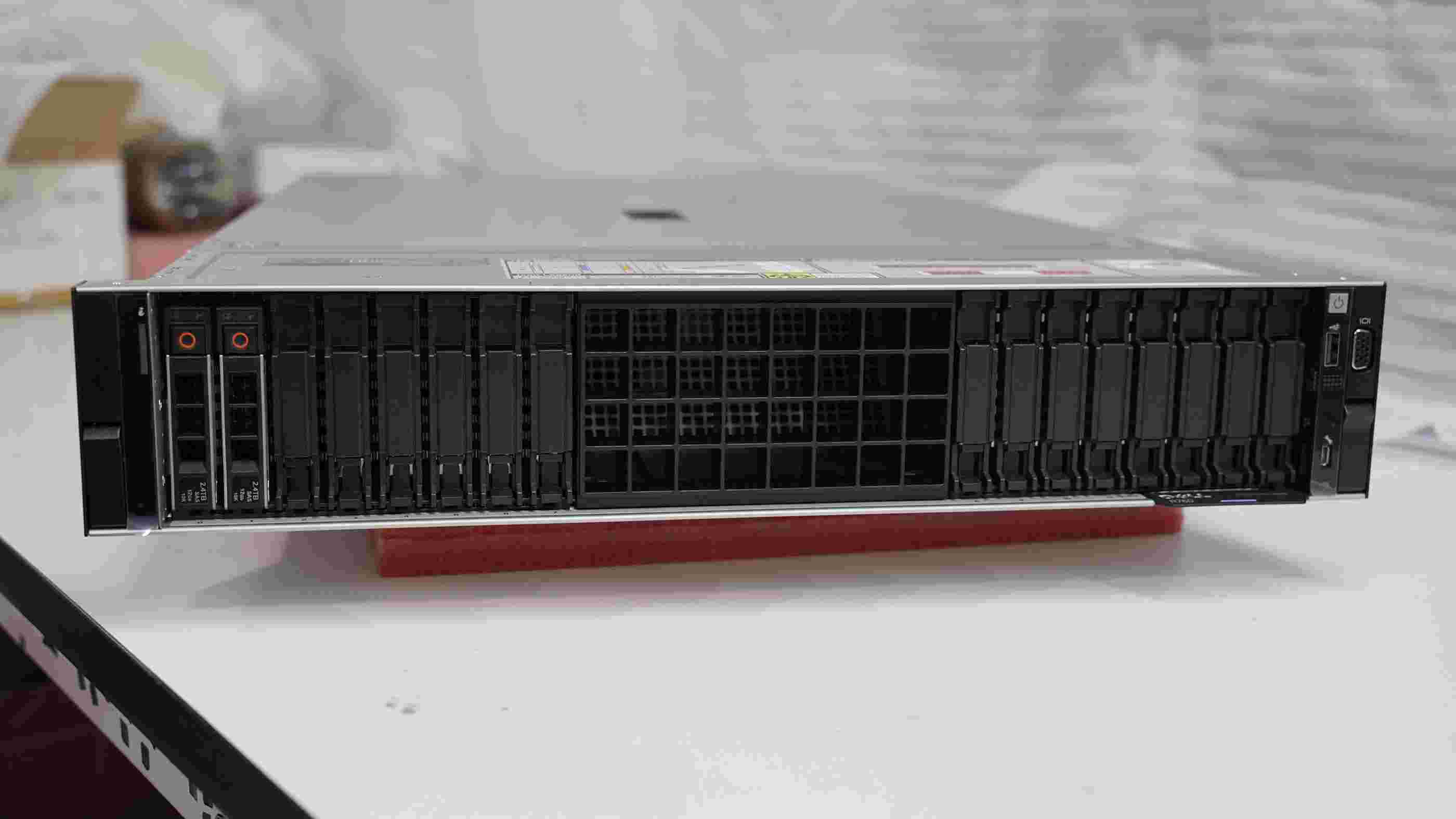
Fully tailored hardware builds: customized rack heights, specialized drive configurations, customized BIOS/firmware setups, and targeted branding.
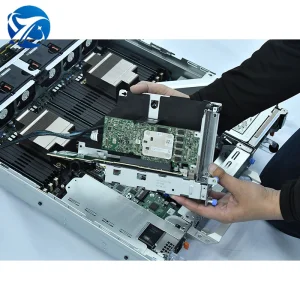
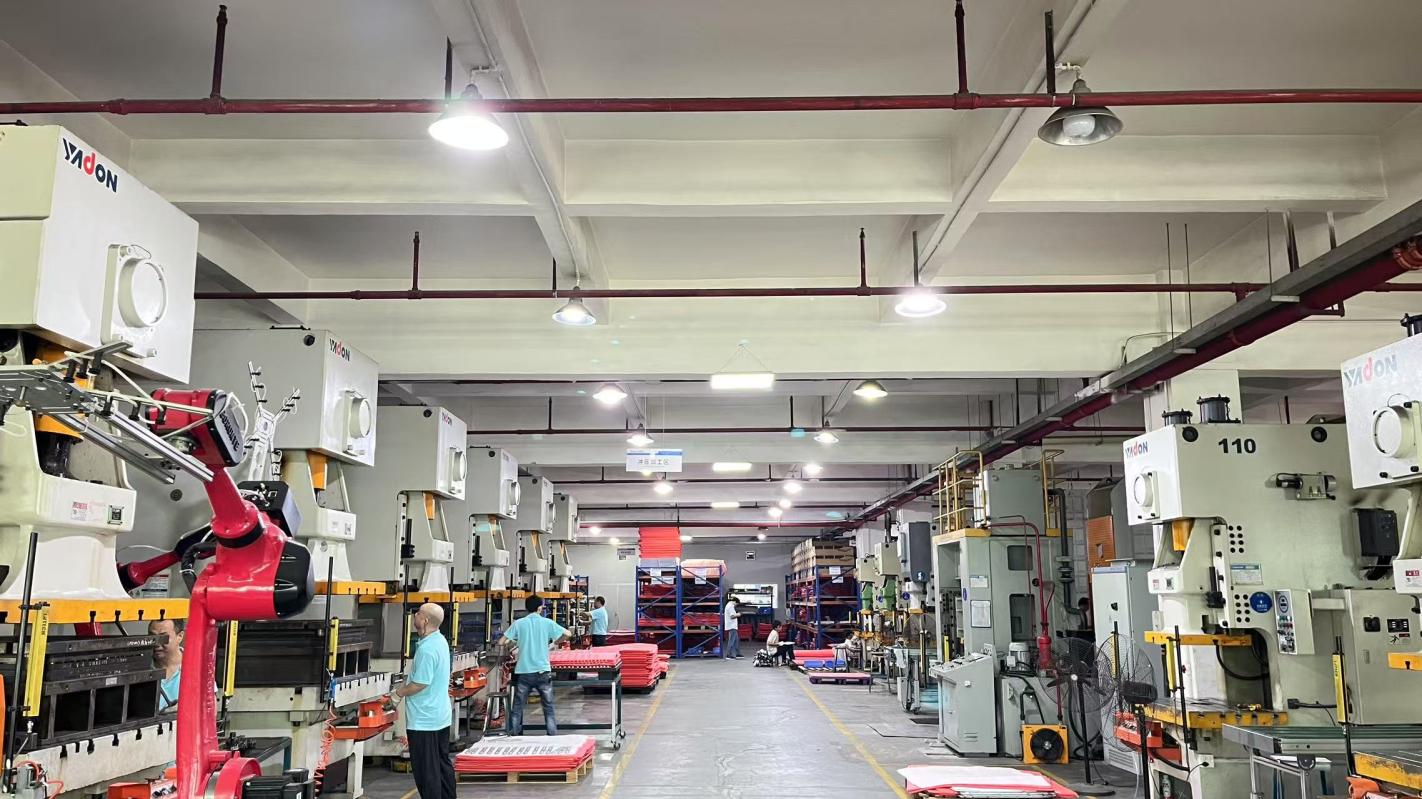
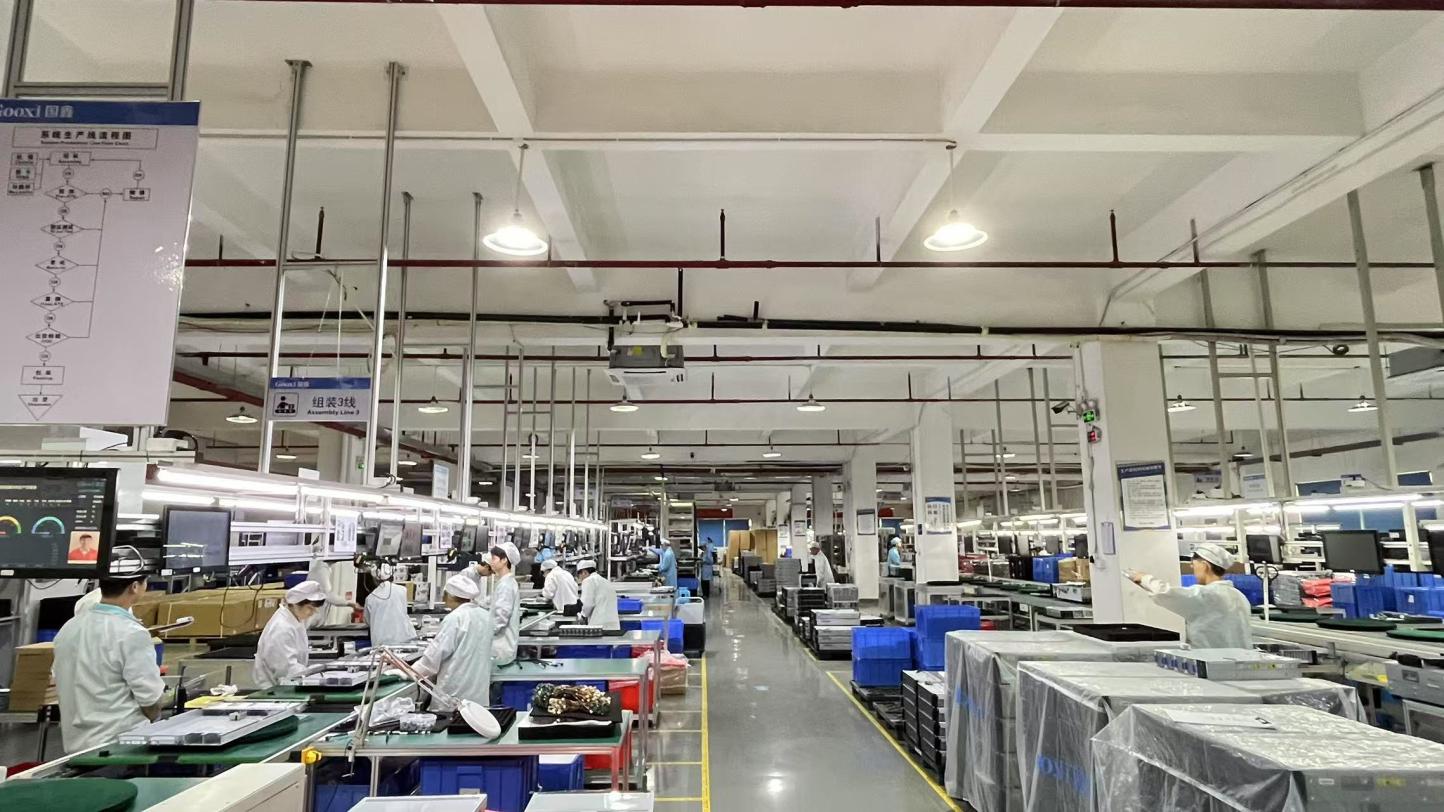
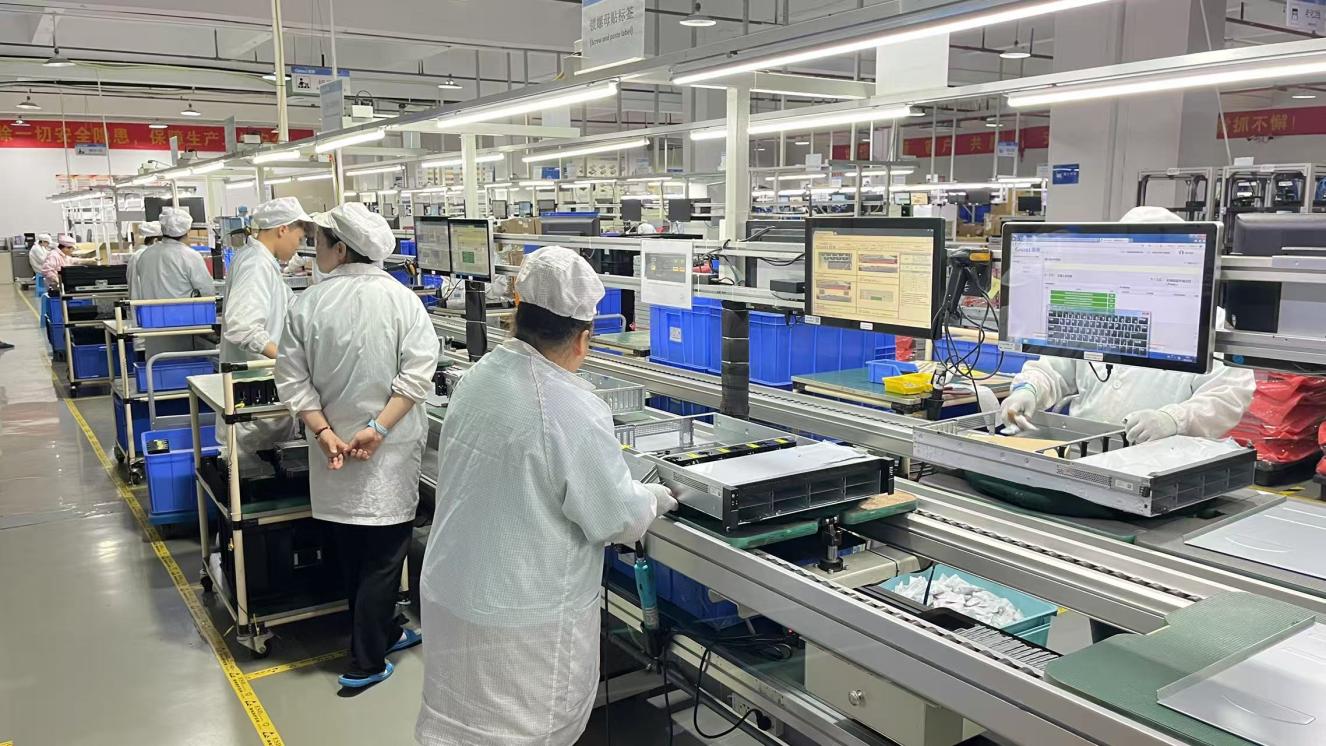
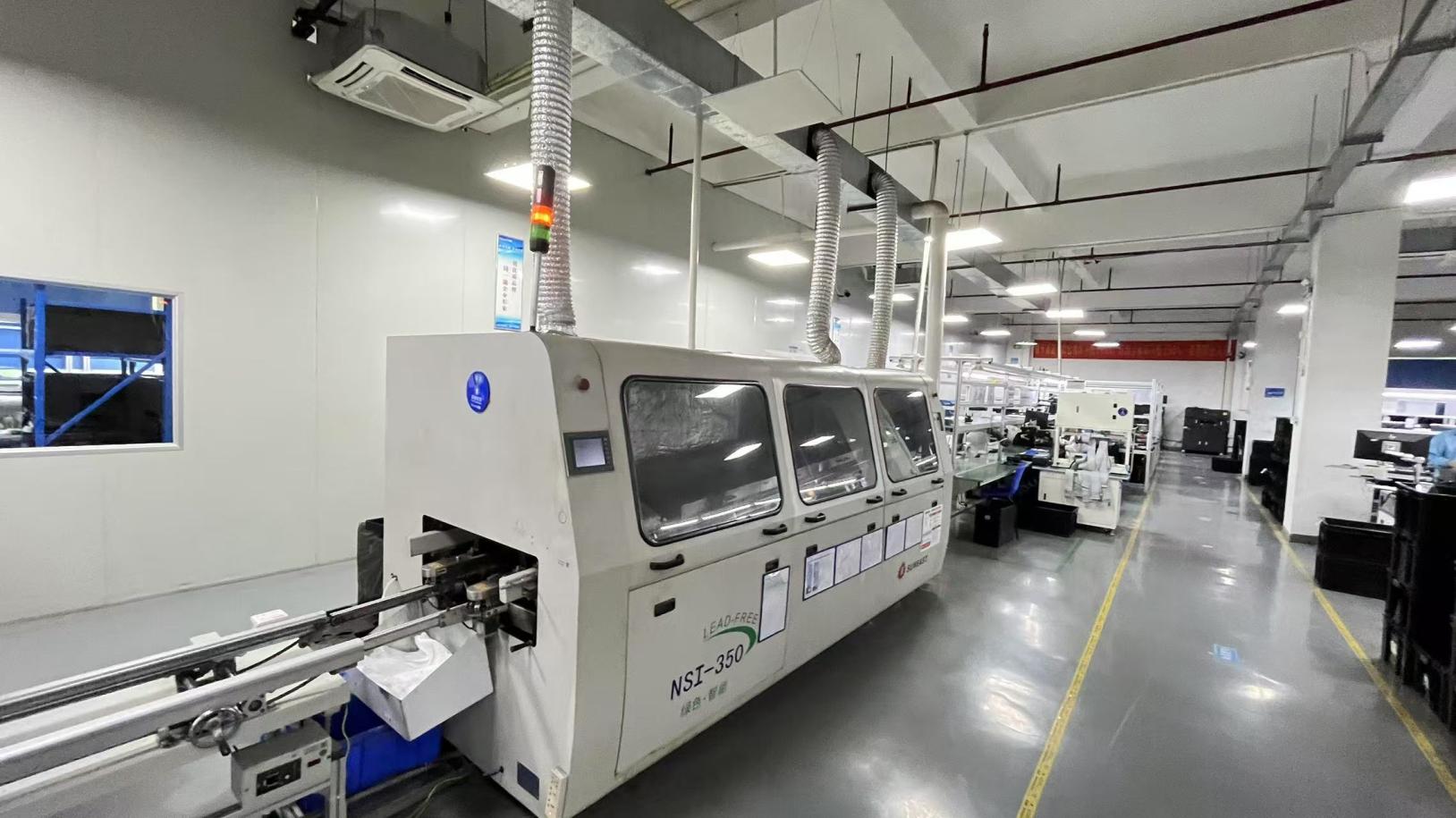
NexGPU's advanced integration facility in Shenzhen, China, represents the standard of manufacturing speed and precision. Operating within Shenzhen's technology corridor allows our assembly line to source tested, certified hardware sub-components—such as motherboard chipsets, RAID controllers, high-speed riser cards, and custom chassis assemblies—with virtually zero transport delay. This close proximity to component manufacturers significantly reduces standard production schedules, enabling NexGPU to fulfill bulk orders for Thai enterprises in a fraction of the time taken by traditional vendors.
Quality control is maintained through every stage of assembly. A system's life cycle begins with component verification, where RAM, NVMe modules, and CPUs undergo testing to screen out defects. Once assembled, the server nodes enter the burn-in chambers, undergoing continuous high-temperature stress tests for up to 72 hours. This simulates the extreme environment of a high-load datacenter, ensuring that issues like infant mortality of capacitors or minor soldering issues are caught before the server is packaged. The system then undergoes full compatibility verification with popular virtualization platforms (like VMware ESXi, Proxmox VE, Microsoft Hyper-V) and Linux distributions (RHEL, Ubuntu Server) before final sign-off.

Understanding the challenges of localized operation is critical when deploying server hardware in Thailand. The tropical environment can result in dust accumulation and high relative humidity, demanding robust internal chassis engineering. NexGPU tailors deployments to fit the specific needs of Thai regional industries:
Deploying ruggedized edge servers in non-temperature controlled factory corridors. These nodes compile real-time telemetry from CNC equipment, assembly line cameras, and conveyor sensors. The processing power allows local deep learning inference models to spot production defects instantly, reducing dependency on WAN links to main cloud clusters.
Financial firms and digital payment processors require sub-millisecond database updates and absolute transaction safety. Using dual-socket xFusion systems with high-speed NVMe drives and redundant RAID controllers ensures that local databases stay online 24/7, even during seasonal flooding or localized grid failures.
For service providers renting space in high-density facilities, optimizing RU (Rack Unit) space is critical. High-density servers like the xFusion 1288H V7 fit dual-socket processors into a slim 1U frame, maximizing computing density and lowering monthly colocation rentals.
Universities in Bangkok utilizing complex AI models rely on GPU-accelerated workstations and servers. These nodes allow researchers to run data models locally, avoiding the high costs of subscription-based cloud AI platforms.
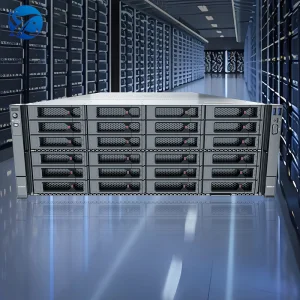
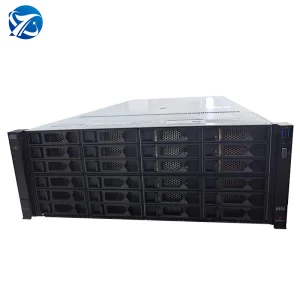
Designed for virtualization environments requiring significant memory capacity and reliable array layouts.
When selecting servers for deployment in Thailand, procuring departments must evaluate a range of technical variables that extend beyond simple CPU clock speed. Systems must align with both local operating conditions and organizational growth curves:
Thailand's industrial zones sometimes experience voltage fluctuations during extreme weather. Your servers should be equipped with Platinum or Titanium grade Hot-Swap redundant power supplies (minimum 1+1 configurations). Ensure the power units are sized correctly to handle maximum system loads (e.g., dual Xeon Scalable processors alongside multi-drive NVMe storage) without working the power units past 85% capacity, which degrades efficiency and increases thermal outputs.
Data center cooling is a major expense. Buying systems featuring advanced thermal management platforms allows fans to adjust dynamically based on target temperature readings. This reduces wasted electrical energy. For extremely dense setups, look for high-density servers configured for liquid loop cooling systems, allowing higher performance without thermal throttling.
Deployments in regional offices or remote industrial sites in the EEC need robust remote management. Systems must feature dedicated IPMI 2.0 or iBMC network interfaces, giving administrators BIOS-level hardware control, remote OS installations, and real-time sensor diagnostics without requiring physical access.
Answers to common queries regarding enterprise computing installations, delivery logistics, and configuration services in Thailand.
A1: NexGPU coordinates shipping from our Shenzhen manufacturing hub using major air and sea freight logistics networks. Most customs documentation, certificates of origin, and compliance paperwork are prepared by our logistics team to ensure smooth clearance at Thai ports of entry (e.g., Bangkok Port or Suvarnabhumi Airport). We support standard trade terms like FOB, CIF, and DDP depending on client requirements.
A2: xFusion servers feature smart internal airflow pathways, counter-rotating fan systems, and real-time thermal monitoring. These technologies allow the systems to operate efficiently in environments up to 45°C. For industrial environments, we also configure systems with custom particulate filters to prevent dust accumulation inside the server chassis.
A3: Yes. As part of our OEM/ODM capabilities, our software integration teams can pre-load hypervisors (Proxmox, VMware ESXi, Windows Server) and set up specific RAID arrays (RAID 0, 1, 5, 6, 10, 50, 60) on cards like the XC470C-M-8i. This allows systems to be racked and powered up immediately upon arrival at your Thai facility.
A4: All servers undergo comprehensive pre-shipment tests to minimize failures. If a component fails under warranty, NexGPU offers fast international replacement shipping. We also provide customer support agreements that include spare parts packages stored on-site at your facility for quick swaps.
A5: Yes. NexGPU uses premium enterprise-grade parts sourced from certified suppliers. Motherboards, processors, RAM modules, and storage devices undergo strict validation before installation, ensuring compatibility and long system life cycles.
Select from our tested collection of rack server nodes, storage solutions, and high-density GPU computing frames.