NexGPU
NexGPU
NexGPU
Enterprise infrastructure components optimized for low-latency calculations, secure consensus algorithms, and distributed storage environments.
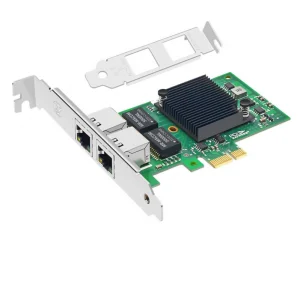
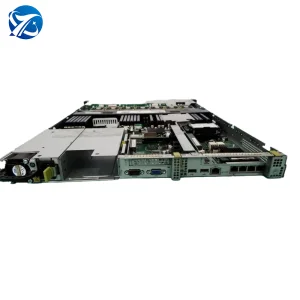
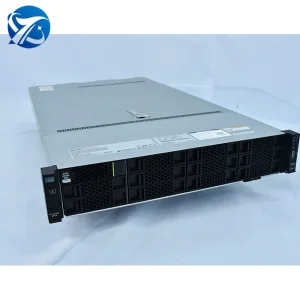
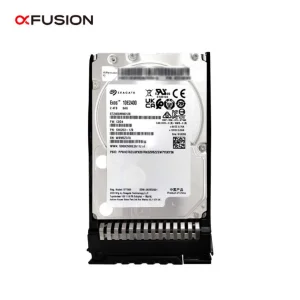
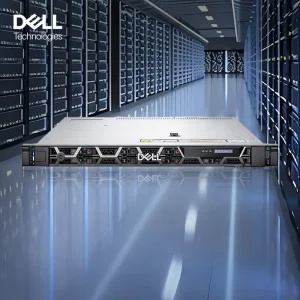

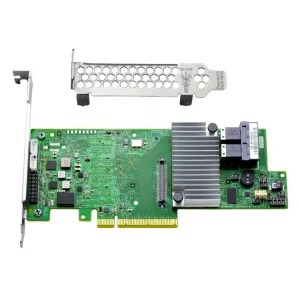
Modern decentralized networks and Distributed Ledger Technologies (DLT) have moved far beyond simple transaction processing. Today’s cryptographic landscapes demand massive computational throughput, low latency, and highly specialized hardware storage arrays. The transition of consensus models from proof-of-work (PoW) to high-speed Proof-of-Stake (PoS), combined with the meteoric rise of Decentralized Physical Infrastructure Networks (DePIN), has transformed how enterprise system architecture must be designed. Hardware is no longer just a runtime container; it is a critical differentiator for validators, node operators, and institutional custody protocols.
In blockchain architectures, transactional finality and smart contract execution speed are directly bound to the performance limits of local node hardware. A validator node that fails to compute block headers within strict target times faces penalty slashing, high latency rejection, and general degradation of throughput. As networks compute zero-knowledge proofs (ZK-proofs) for L2 scaling networks, they require ultra-dense multi-GPU configurations, fast SSD arrays, and secure RAID storage architectures to index and serve large state histories. As such, choosing the right server manufacturer and technology supplier is a strategic decision that determines long-term capital efficiency and network security.
Traditional cloud providers often introduce hypervisor latency, virtualization bottlenecks, and unpredictable CPU stealing. For blockchain nodes processing asynchronous state updates, bare-metal hardware equipped with enterprise-grade PCIe 4.0/5.0 RAID controllers and write-intensive SSDs ensures consistent I/O operations per second (IOPS) and eliminates execution jitter, protecting operators from block-miss penalties.
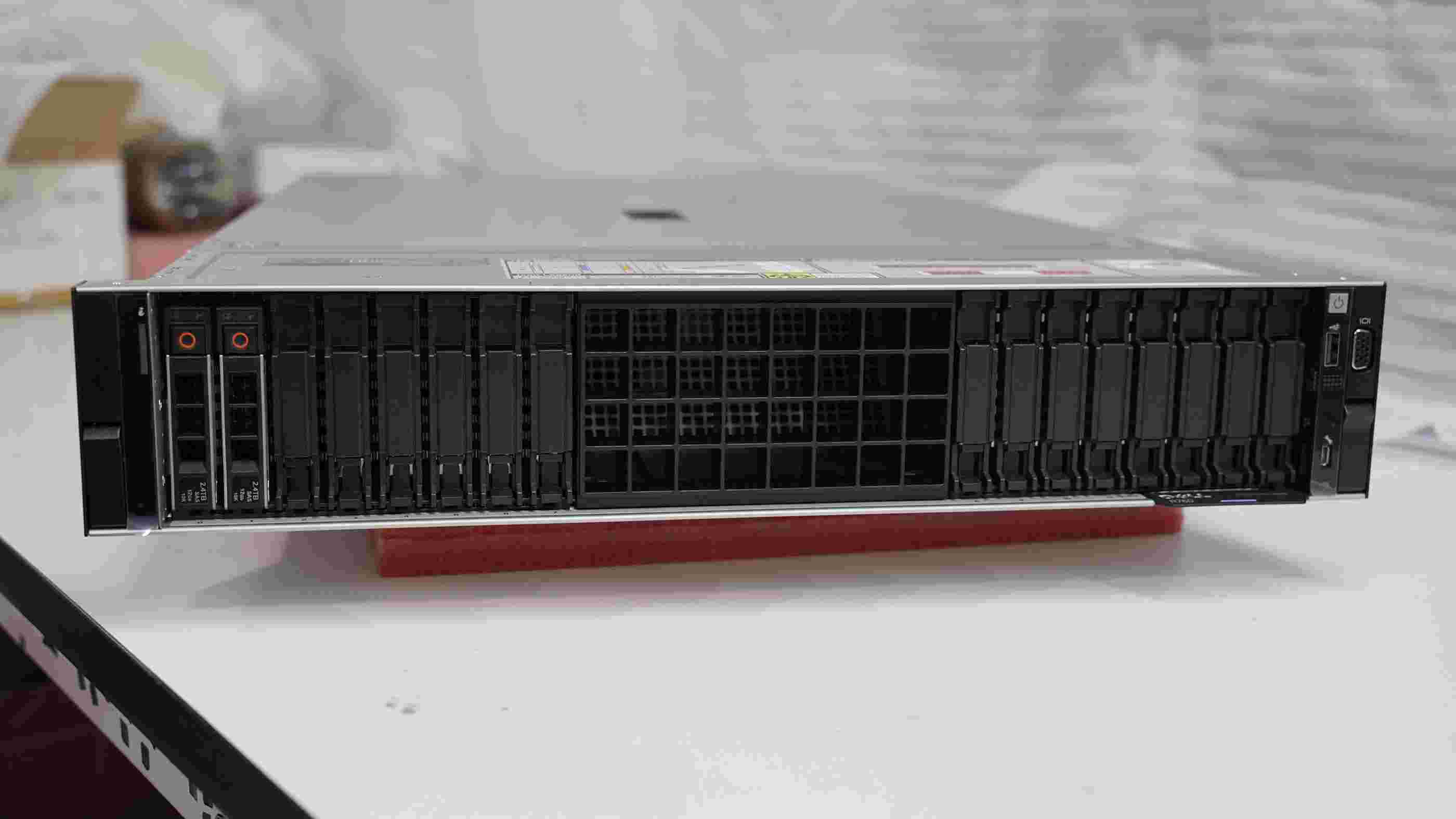
Furthermore, the convergence of Artificial Intelligence and Blockchain (AI+Web3) has intensified the requirement for hybrid computing platforms. Nodes operating decentralized AI inference, secure-multiparty computations (SMPC), and cryptographic validation require enterprise servers featuring high-performance GPUs, such as the xFusion G5500 series, backed by reliable server-level components that can withstand 24/7 continuous thermal loads.
Analyzing key shifts in cryptographic hardware manufacturing, server topography, and compute architectures.
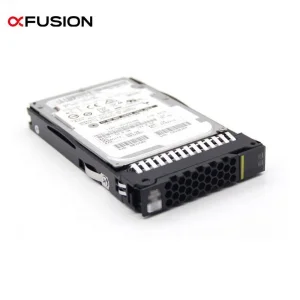
The decentralization of storage and physical compute resources requires hardware that balances energy efficiency with exceptional throughput. Servers equipped with high-performance RAID systems and high-density disk interfaces enable robust localized storage nodes capable of serving distributed databases.
Zero-Knowledge Rollups are scaling blockchains by moving execution off-chain. Generating ZK-proofs, however, is heavily intensive, requiring massive multi-GPU configurations. High-performance enterprise-grade GPU servers provide the raw parallel computing matrix required to generate mathematical proofs quickly.
As blockchain history expands, disk I/O bottlenecks become common failure modes. The deployment of fast PCIe NVMe storage devices, managed by specialized low-overhead RAID bootcards (such as SAS3808 or LSI 9560 architectures), prevents synchronization lag and memory-spill overruns.
Enterprise procurement teams scaling blockchain infrastructure are faced with unique challenges. Standard IT setups focus on peak-load tolerance, whereas decentralized validation nodes operate at sustained, high levels of capacity 24 hours a day. Hardware reliability and manufacturing tolerances become the deciding factor between continuous runtime and expensive slashing penalties.
When sourcing infrastructure, procurement leaders prioritize several essential performance metrics:
Rigorous burn-in testing to guarantee maximum component lifetimes.
Hardware controllers calibrated for rapid ledger indexing operations.
Securing private validator keys at the server silicon layer.
Custom-tuned firmware profiles optimized for target network consensus.
Sourcing the right individual parts is only the first step. For large-scale operators, integrating these parts into complete, functional macro blueprints is key to building a resilient infrastructure. Let us examine three critical deployment scenarios that leverage enterprise servers and storage controllers:
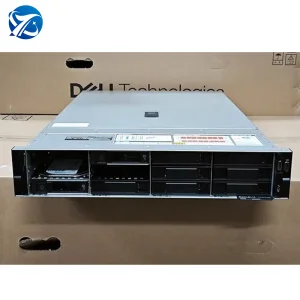
Validator nodes in Proof-of-Stake protocols (like Ethereum, Solana, or Cosmos) require continuous network synchronicity. The ideal hardware profile features multi-socket processor layouts with high-speed memory capacities (such as 64GB DDR5 configurations found in the PowerEdge R660) and fast read-write hybrid SSDs (such as the EP600 Series). System storage should be managed by hardware RAID controllers with fast cache interfaces, providing data redundancy and maintaining database accessibility during drive failures.
ZKP computational architectures demand massive parallel compute cycles to resolve mathematical equations. Here, multi-GPU AI servers, such as the xFusion G5500 V7, are used as dedicated accelerators. These systems utilize advanced thermal layouts and high-wattage power supplies (PSUs) to ensure sustained GPU performance under continuous rendering loads, reducing the time required to settle L2 transactions on the primary L1 chain.
DePIN protocols require dense, distributed storage capacity. Systems deployed for this purpose rely on specialized storage arrays controlled by high-capacity controllers like the LSI 9560-16i. By utilizing multiple SAS or SATA drives configured in RAID arrays, operators can maximize raw read/write speeds and ensure high system uptime. This approach allows them to rent high-integrity storage space back to the decentralized network, earning proof-of-spacetime rewards.
A trusted infrastructure manufacturer providing high-performance GPU systems, customized servers, and quality-controlled hardware solutions worldwide.
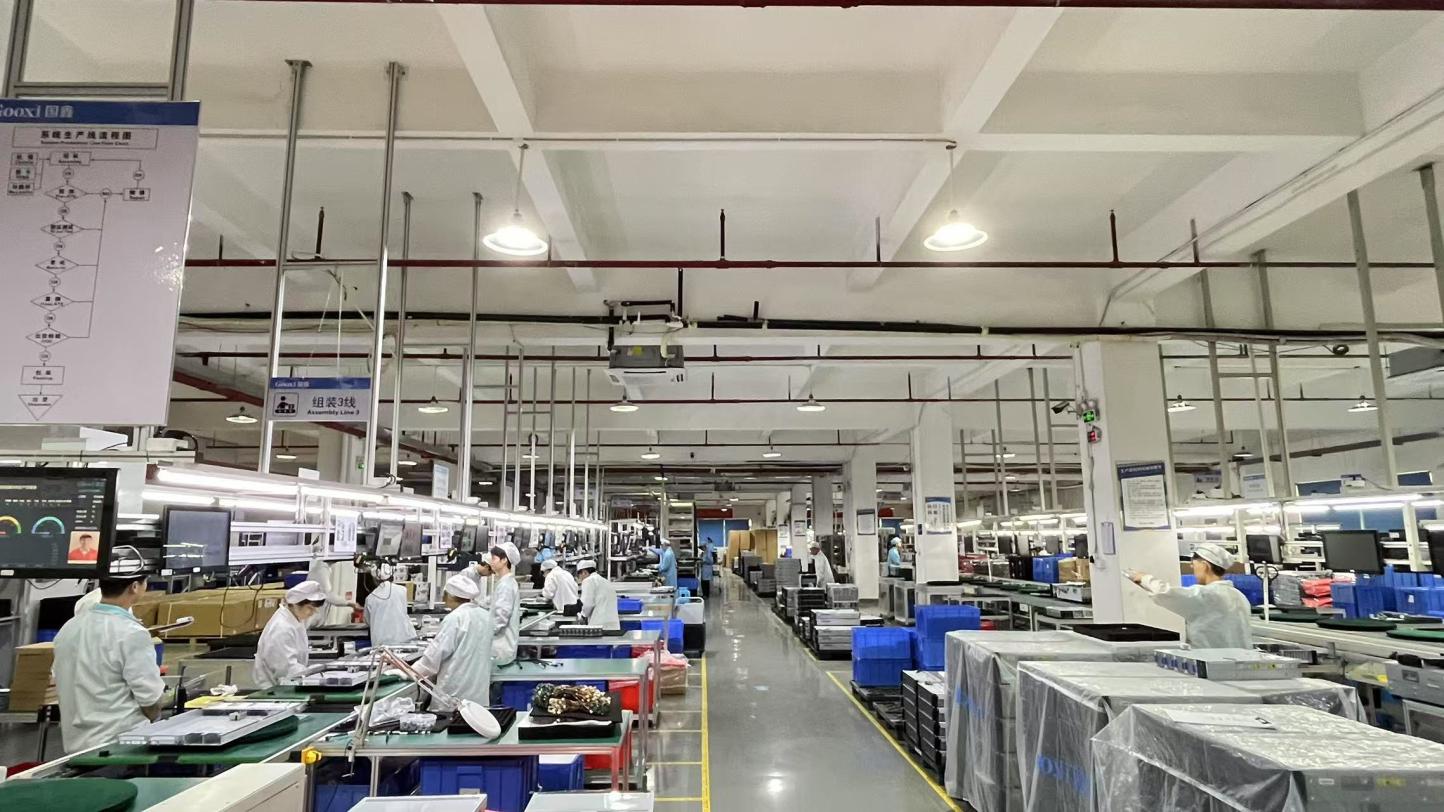
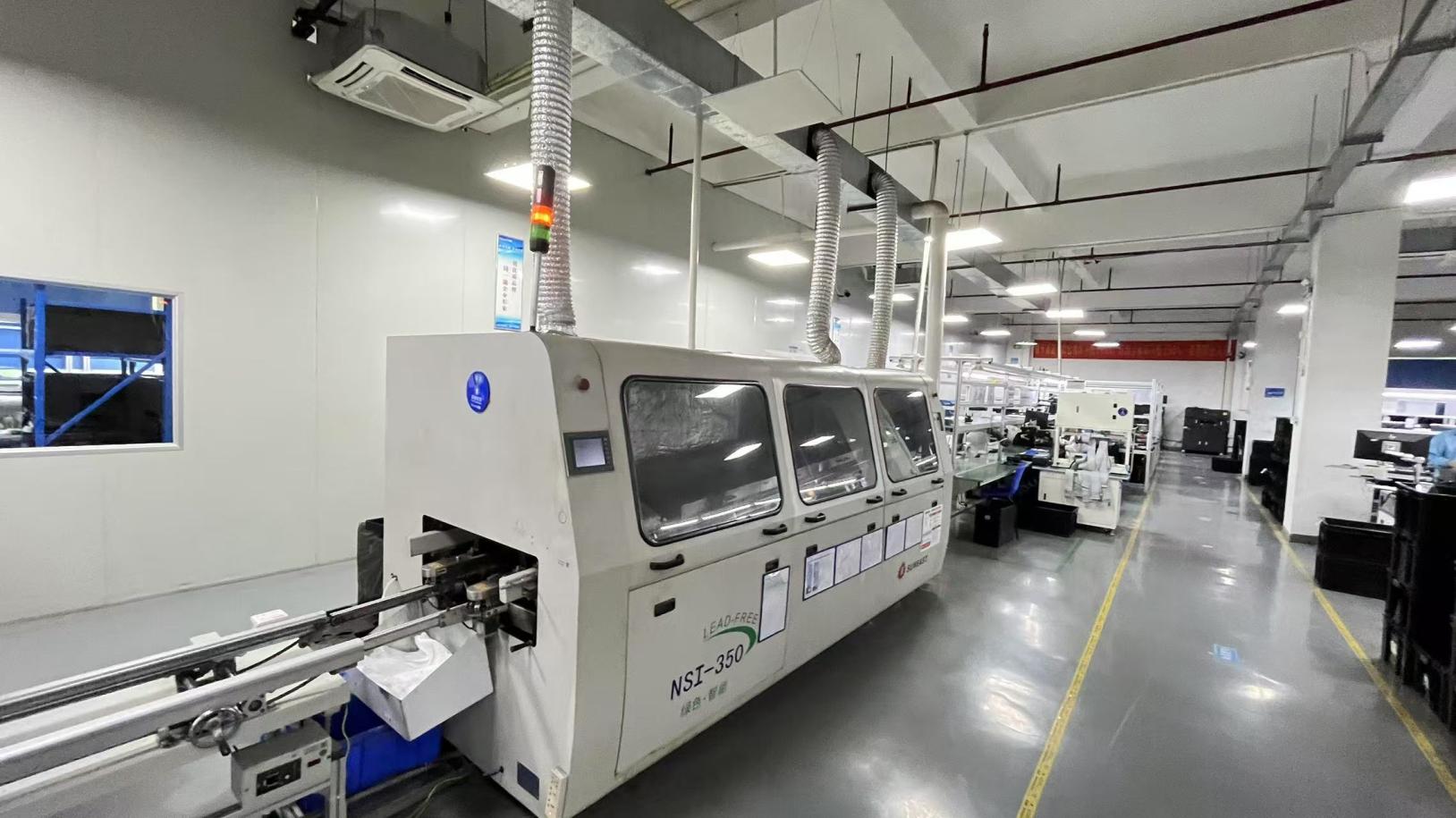
Founded in 2017, NexGPU Intelligent Computing Technology Co., Ltd. is a professional manufacturer specializing in GPU servers, AI computing infrastructure, high-performance computing (HPC) systems, and customized server solutions for global customers. Headquartered in Shenzhen, China, the company operates a modern manufacturing facility covering over 380 square meters, equipped with advanced assembly, testing, and quality control systems.
With more than 9 years of industry experience and 7 years of export experience, NexGPU has established itself as a trusted supplier for enterprises, cloud service providers, research institutions, AI startups, data centers, and system integrators worldwide. Our annual export revenue exceeds USD 18 million, serving customers across North America, Europe, Southeast Asia, the Middle East, and Oceania.
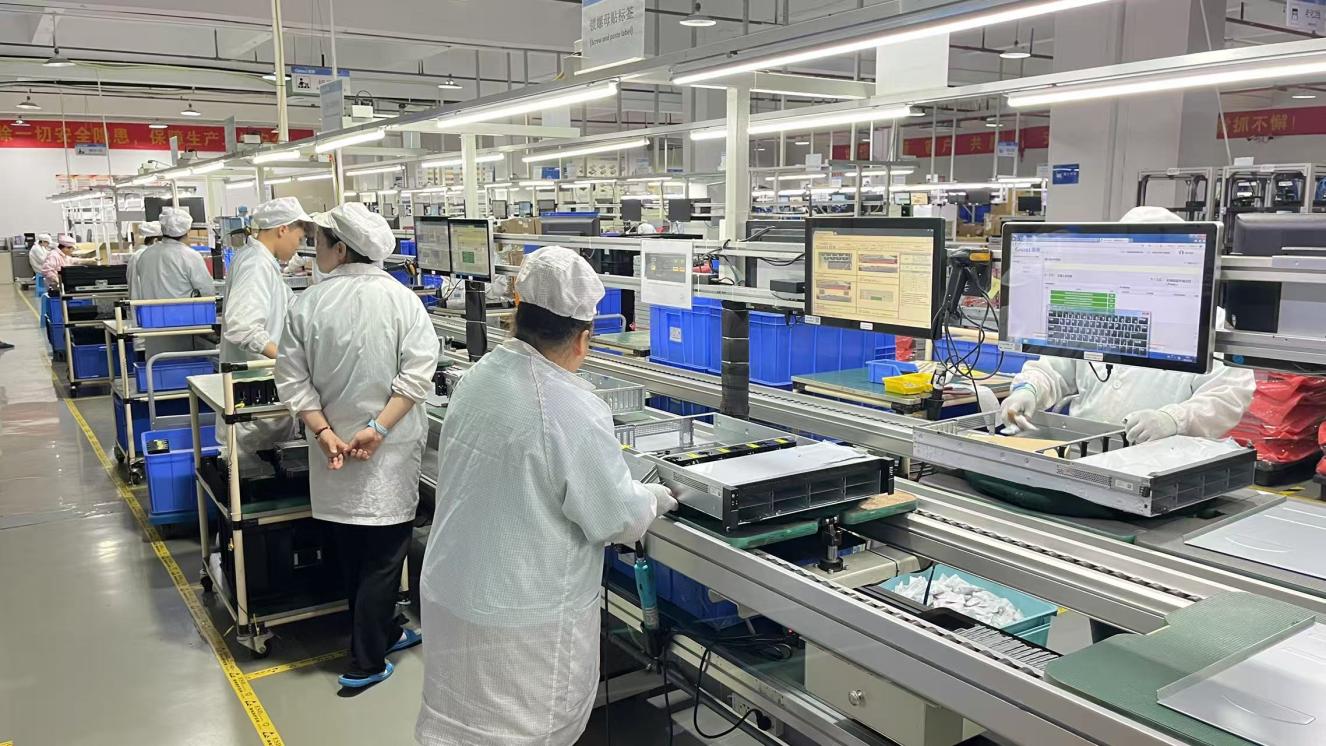
NexGPU maintains strict quality management standards throughout the production process. Every product undergoes comprehensive reliability testing, performance verification, burn-in testing, compatibility validation, and final inspection before shipment. Our dedicated quality control team consists of over 45 experienced inspectors, ensuring consistent product quality and reliability.
Supported by a strong global supply chain network of more than 1,200 strategic partners, NexGPU can efficiently source premium components and deliver flexible manufacturing solutions to meet diverse customer requirements. We offer extensive OEM and ODM services, including hardware configuration customization, chassis branding, firmware optimization, rack integration, and AI infrastructure deployment solutions.
Innovation is at the core of our business. Our R&D department includes over 120 engineers specializing in server architecture, thermal management, AI computing optimization, and system integration. Each year, NexGPU launches more than 80 new products and solution upgrades to address the rapidly evolving demands of artificial intelligence, machine learning, cloud computing, and enterprise data processing.
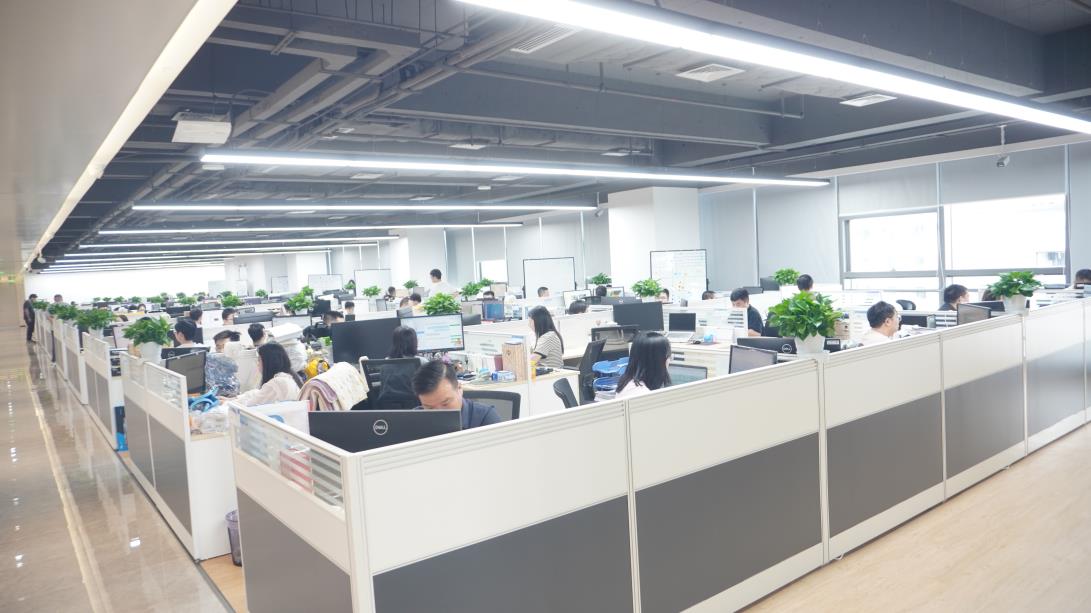
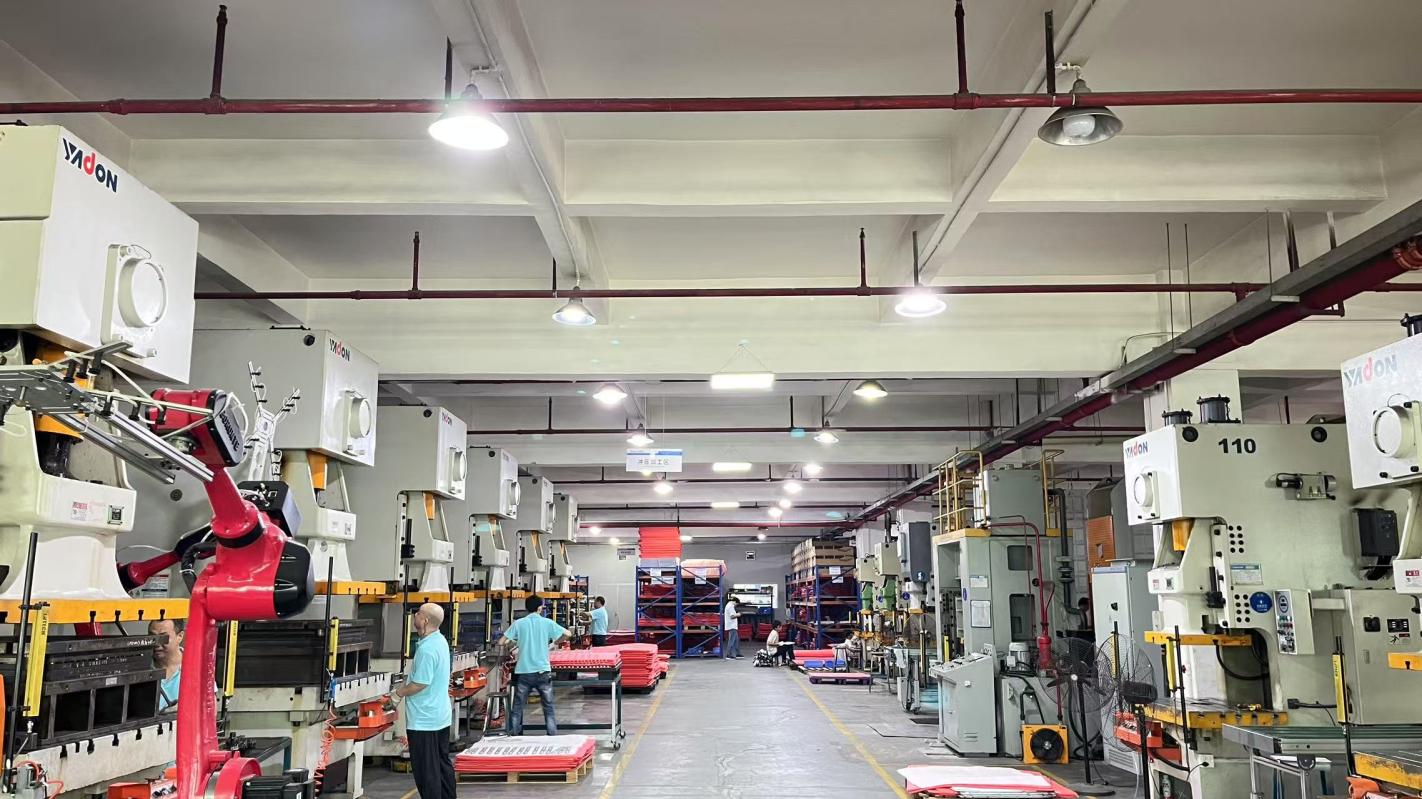

The landscape of high-performance computing is evolving quickly. Looking ahead, hardware designs must adapt to higher thermal requirements, denser bandwidth requirements, and new cryptographic protocols. NexGPU is continually developing its R&D matrix to remain aligned with these architectural changes.
Key focuses on our technical roadmap include:
By focusing on these developments, we aim to ensure that our computing platforms remain viable solutions for future scaling layers and distributed databases.
Answering common technical questions about configuring, selecting, and maintaining server hardware for high-throughput decentralized networks.
Enterprise storage controllers, multi-GPU systems, and specialized rack servers for high-intensity decentralized applications.