NexGPU
NexGPU
NexGPU
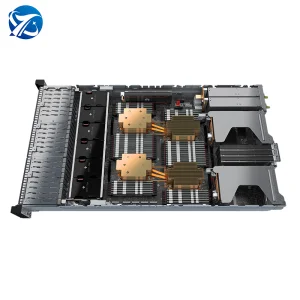
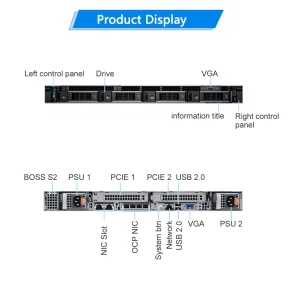
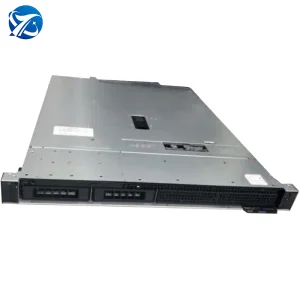
Explore our leading rack systems, storage modules, and accelerator architectures engineered for modern cloud, edge, and AI environments.
Founded in 2017, NexGPU Intelligent Computing Technology Co., Ltd. has established itself as a professional manufacturer specializing in GPU servers, AI computing infrastructure, high-performance computing (HPC) systems, and customized enterprise server solutions for global markets. Headquartered in the technology hub of Shenzhen, China, the company operates a modern, high-tech manufacturing facility covering over 380 square meters. Our infrastructure features state-of-the-art assembly lines, testing chambers, and precision quality control systems designed to meet the rigorous demands of enterprise-grade hardware deployment.
With more than 9 years of combined team industry experience and 7 years of active export operations, NexGPU has emerged as a premier system integrator and direct exporter of customized configurations based on the industry's most reliable platforms, including Dell PowerEdge, xFusion, and bespoke GPU barebone systems. Our strategic position in the global supply chain allows us to assist cloud service providers, research institutions, AI startups, data centers, and system integrators worldwide in sourcing, optimizing, and deploying high-density computational networks.
The global server market demands not just raw computing power, but agility, supply chain security, and rapid customization options. Operating out of Shenzhen, NexGPU leverages the world's most mature electronics manufacturing ecosystem. Our factory integrates advanced automated optical inspection (AOI), static protection networks, and real-time environment-controlled chambers to assemble, inspect, and burn-in top-tier system architectures. By utilizing strategic relationships with over 1,200 strategic partners, we bypass traditional raw material bottlenecks, guaranteeing access to high-demand hardware components including PM9A3 series NVMe PCIe drives, SAS RAID controllers, and next-generation Intel Xeon / AMD EPYC processors.
Direct supply line integration allows for prompt customization of multi-socket boards, high-speed NVMe storage backplanes, and optimized memory distribution tables.
Our dedicated quality assurance team, consisting of over 45 experienced inspectors, subjects every configured server node to 24-72 hours of uninterrupted load testing, thermal profiling, and network frame verification.
Whether you require customized faceplates, optimized BIOS configurations, custom-branded UEFI interfaces, or complete pre-racked clusters, our R&D engineering division translates project blueprints into operational reality.
This deep integration helps resolve the traditional friction points of international buying. Instead of dealing with unconfigured stock items, global IT directors can order Dell PowerEdge configurations (such as the R660XS or R750) equipped with optimized firmware, correct partition layouts, and validated PCI-Express lane distribution for specialized enterprise workloads.
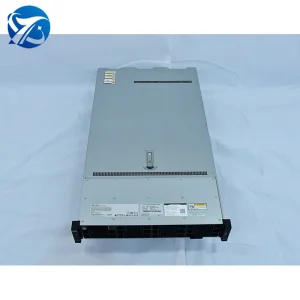
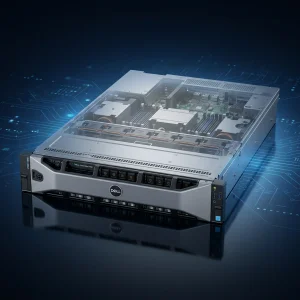
Enterprise datacenters are moving swiftly toward high-performance computing platforms that handle diverse computational workloads. Dell’s PowerEdge series, notably the 15G (R750, R650, R350) and 16G (R760, R660, R760xs) architectures, represents a major milestone in compute capability. As an exporter specializing in these custom integrations, NexGPU ensures hardware profiles align with Dell's modern performance roadmap.
| Server Platform | Processor Family Support | Memory Architecture | Storage Backplane Interface | Typical Target Workloads |
|---|---|---|---|---|
| PowerEdge R350 | Intel Xeon E-2300 Processors | DDR4 UDIMM (Up to 128GB) | SATA/SAS HDD/SSD | Edge deployment, SMB Active Directory, NAS, Small Web Servers |
| PowerEdge R660XS | 4th Gen Intel Xeon Scalable | DDR5 RDIMM (Up to 1.5TB) | PCIe Gen 5 NVMe / SAS4 / SATA | High-density virtualization, cloud hosting, mid-market virtualization |
| PowerEdge R750 / R760 | 3rd & 4th Gen Intel Xeon Scalable | DDR4 / DDR5 (Up to 8TB/12TB) | PCIe Gen 4 / Gen 5 NVMe Multi-drive | AI inference, enterprise ERP, large SQL servers, virtualization nodes |
Different industries require distinct server setups to run efficiently. System hardware must be selected and optimized to match the target workload. Below is how NexGPU designs and customizes Dell PowerEdge systems to solve real-world industry challenges:
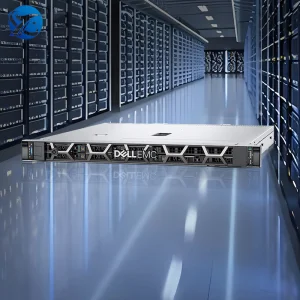
Modern machine learning models require high-speed data flow between storage, system memory, and GPUs. Dell PowerEdge systems, when customized by NexGPU with high-speed PCIe 4.0/5.0 controller cards and dense PM9A3 SSD arrays, provide the data transfer speeds needed to feed hungry GPU accelerators. For AI inference workloads at the edge, a customized 1U PowerEdge platform offers high throughput in a compact rack footprint, ensuring low latency and low power draw.
Enterprise datacenters using VMware vSphere, Microsoft Hyper-V, or open-source KVM solutions need high core densities and large memory footprints. Custom Dell PowerEdge configurations (such as the R750 or R660XS) configured with dual-socket Intel Xeon Scalable processors, up to 1.5TB of DDR5 RAM, and high-performance PCIe NVMe storage arrays allow system administrators to run twice as many virtual machines (VMs) per node. This directly lowers hardware acquisition costs and licensing fees.
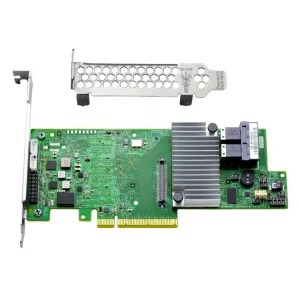
For relational database engines (MS SQL, Oracle, PostgreSQL) and ERP architectures, transaction latency is critical. By pairing enterprise-grade SAS RAID controller cards with high-speed cache modules and flash arrays, our configurations minimize disk latency. The result is consistent, reliable IOPS performance, ensuring smooth online transactions even during peak traffic periods.
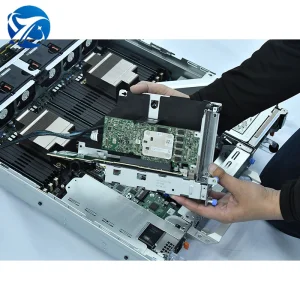
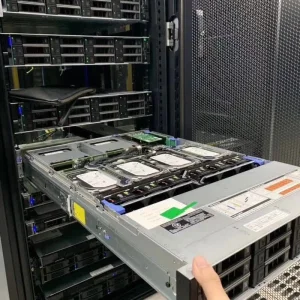
Peek inside NexGPU's Shenzhen facility, featuring advanced manufacturing lines, quality control hubs, and server burn-in chambers.
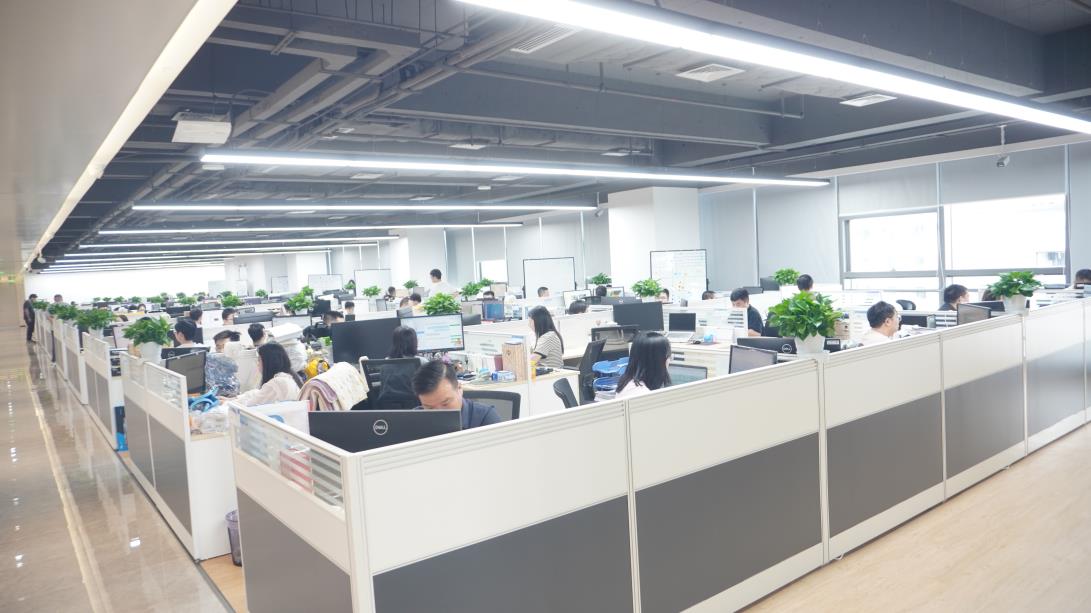
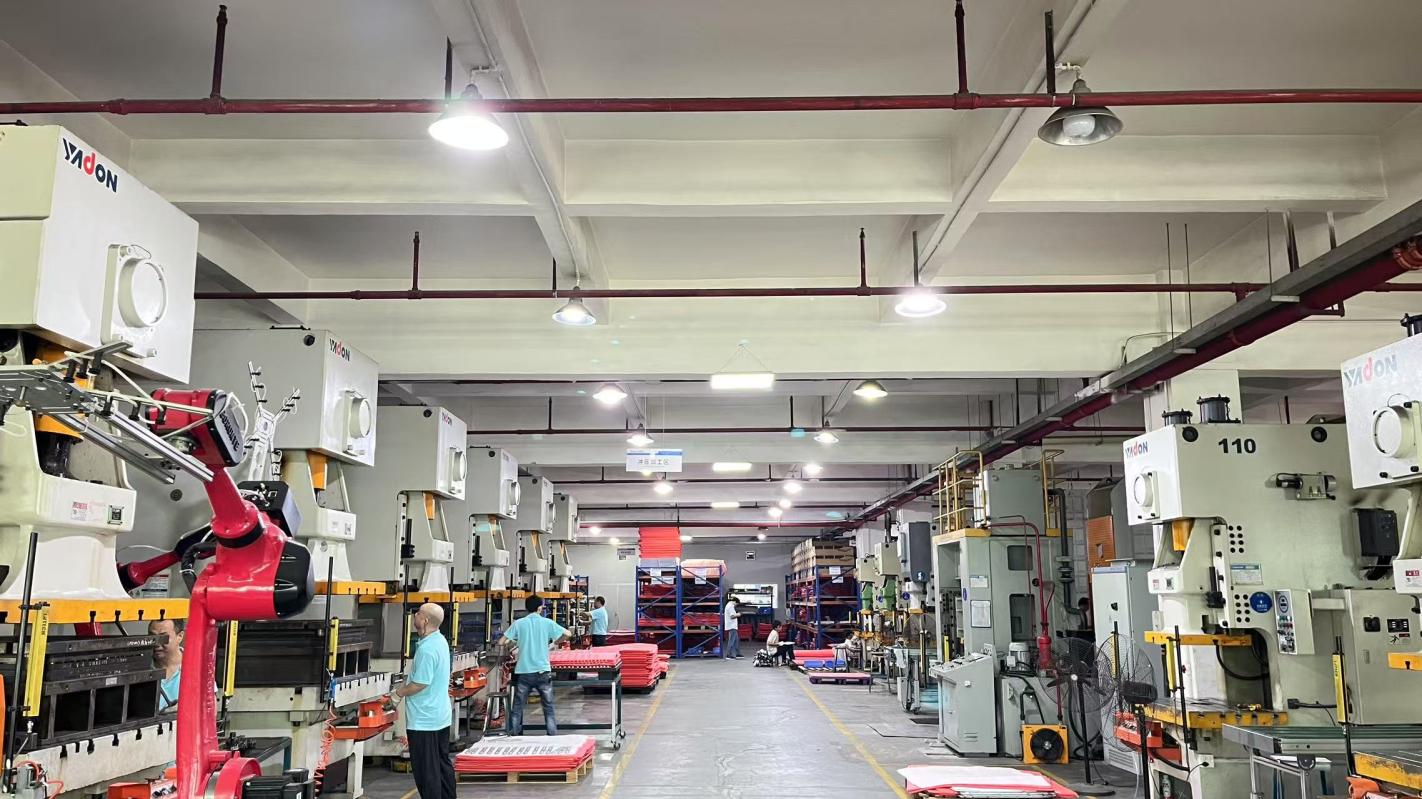
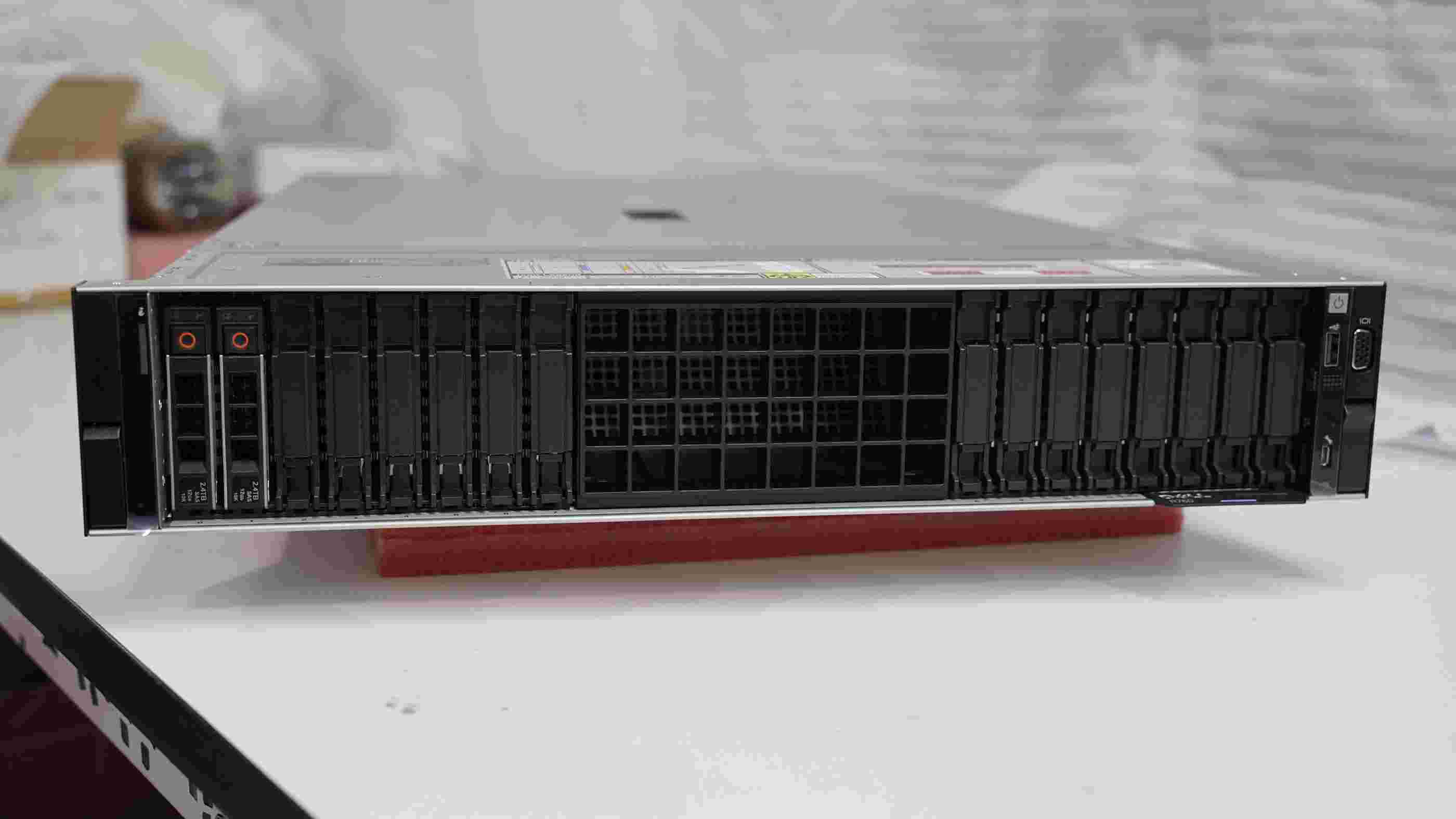
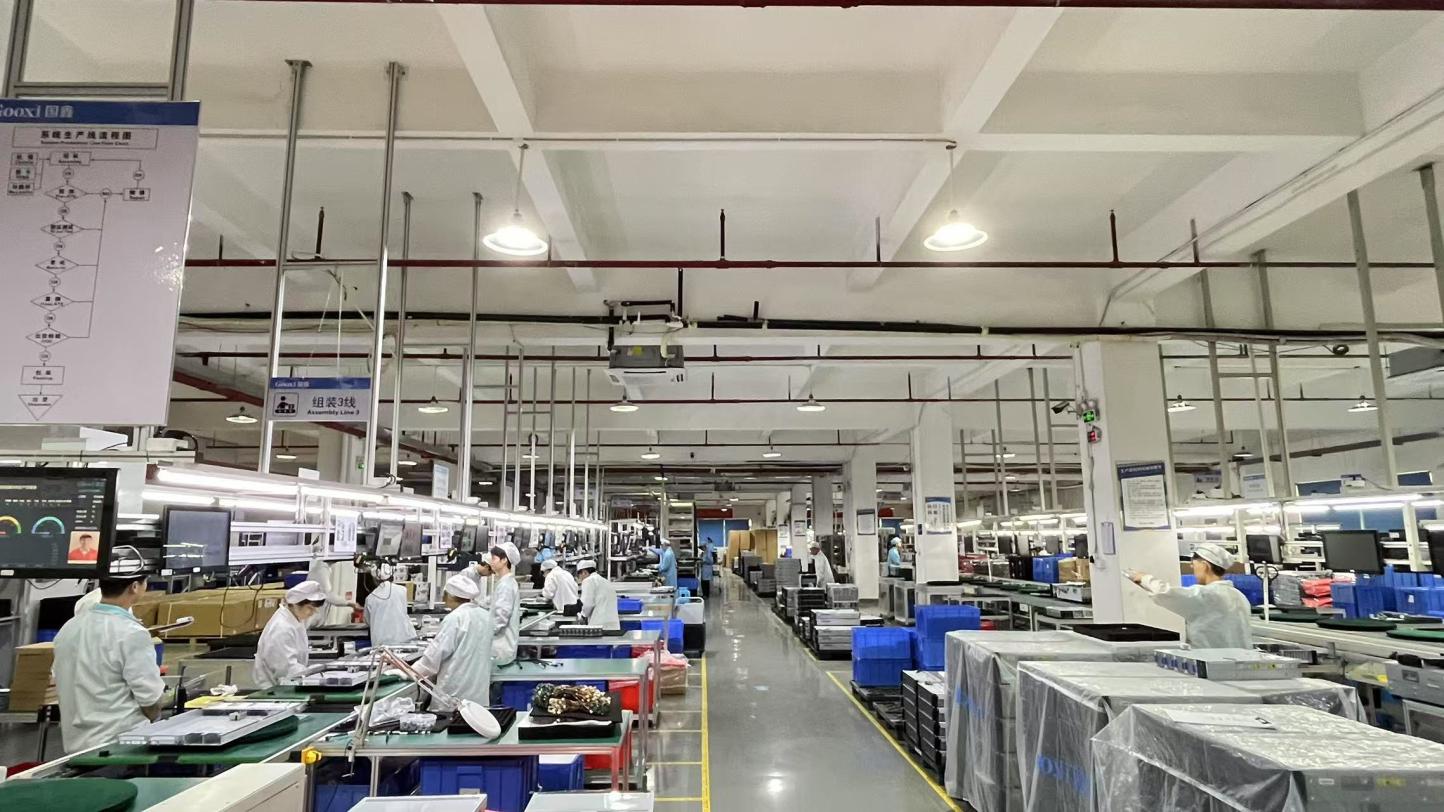
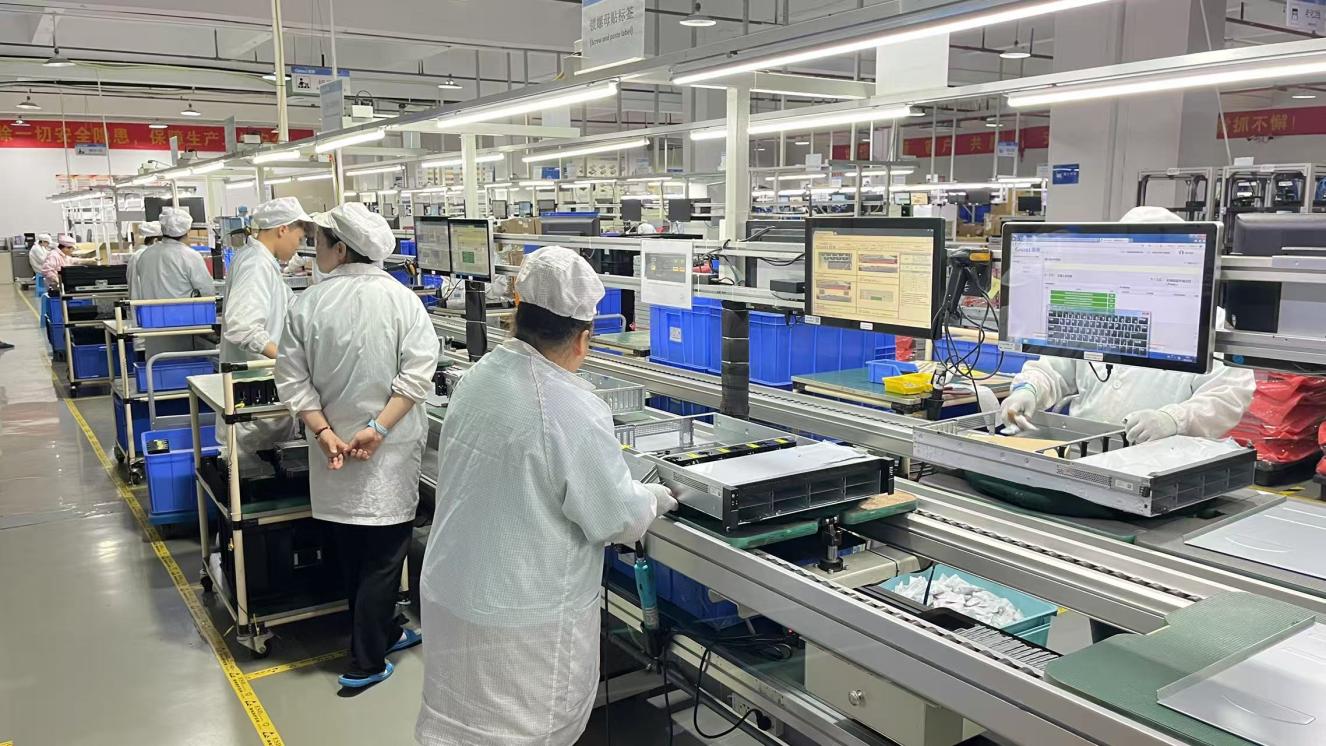

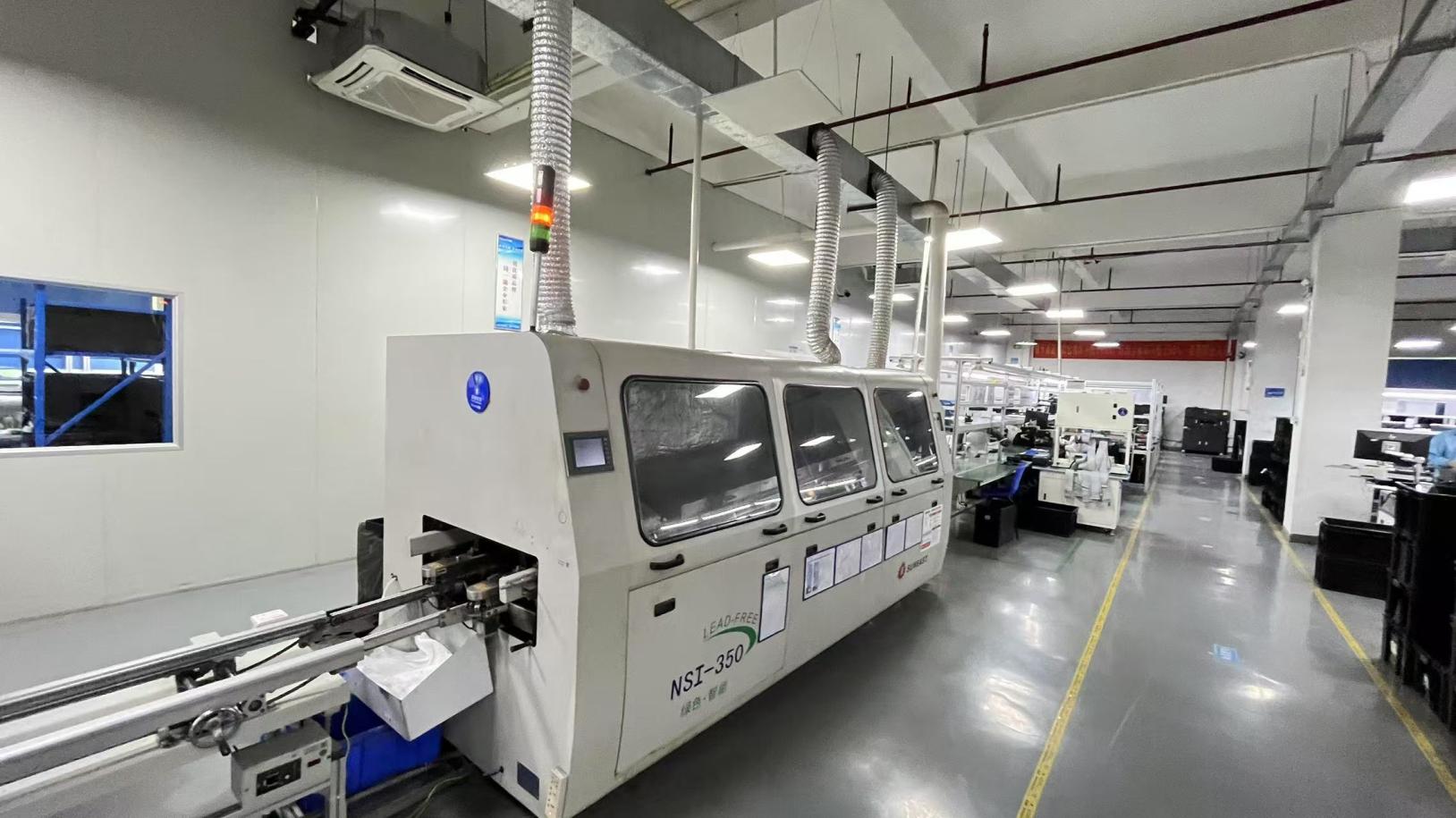
Exporting high-performance enterprise server equipment globally requires strict attention to international regulations and compliance. Over 7 years of active export experience, NexGPU has developed robust logistics and compliance processes. We ensure all custom-configured servers comply with standard global regulatory directives (CE, FCC, RoHS, and CCC certifications), which prevents customs bottlenecks and ensures immediate compliance for enterprise networks.
Additionally, hardware security is integrated from the start of assembly. We work with clients to pre-configure security keys, ensure secure boot protocols are active, and update customized UEFI/BIOS settings. Our team also provides remote out-of-band management configuration (including Dell iDRAC and IPMI settings), allowing system administrators to manage and troubleshoot hardware globally from day one.
Enterprise server components are sensitive to electrostatic discharge and physical shock. At NexGPU, we package each unit in custom-molded, anti-static polyethylene foam inserts and double-walled, moisture-barrier cardboard boxes. For large shipments, we use custom plywood crates to protect the units during long ocean or air transit, ensuring they arrive fully functional at destination datacenters.
Sourcing server hardware from international manufacturers involves balancing unit acquisition costs against performance stability and long-term operating costs (TCO). When selecting your custom hardware specifications, keep the following key factors in mind:
We source all base chassis, motherboards, and proprietary control interfaces through authorized tier-1 distributors. Standard internal upgrades, including processors, memory modules, and solid-state drives, are sourced directly from primary semiconductor fabricators (Intel, AMD, Samsung) to ensure full component authenticity and warranty verification.
Our standard quality assurance process requires a 24-hour diagnostic run for web/cloud servers, and up to 72 hours for GPU/AI computing nodes. This includes stress-testing the CPU, validating memory channels, testing read/write speeds on storage drives, and running temperature diagnostics to ensure stability under heavy workloads.
Yes. We support custom hardware builds by loading specific firmware versions, configuring UEFI/boot setups, and pre-allocating network configuration details (such as static IPs for iDRAC and IPMI interfaces). This allows for fast installation at destination datacenters.
Standard configurations (e.g., standard RAM and SSD upgrades) are typically ready to ship within 3 to 7 business days. Complex OEM projects, bespoke GPU integration, or customized liquid-cooling setups can take 2 to 4 weeks depending on the availability of specialty components.
Complete configurations tailored for parallel programming, cloud hosting arrays, and deep storage structures.