NexGPU
NexGPU
NexGPU
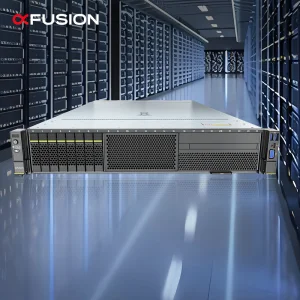
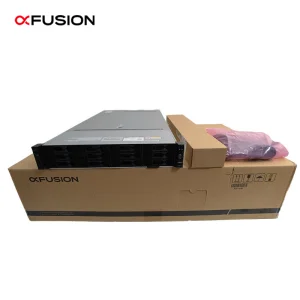
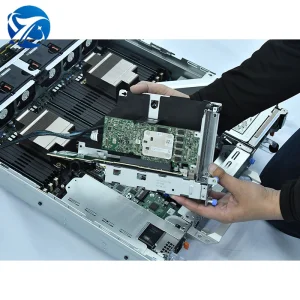
Premium OEM/ODM bare-metal servers designed for extreme computational demands and OS compatibility certification.
Analyzing the deep dependency between customized Kernel kernels and bare-metal server optimization.
Historically, the procurement of enterprise hardware and operating systems occurred in silos. Enterprises selected their server configurations and subsequently installed a standard operating system distribution, relying on generic upstream drivers. However, the rise of large-scale deep learning models (such as DeepSeek, GPT, and LLaMA) and highly dense virtualization demands have triggered a paradigm shift. Today, optimizing system performance requires a collaborative co-design of both hardware and software.
Operating systems must be engineered with deep kernel-level optimizations to directly interface with heterogeneous processing units. At the center of this industry movement, China’s industrial ecosystem has evolved. Manufacturers no longer merely build chassis and assemble logic boards; they act as primary engineering units verifying kernel drivers, scheduling algorithms, and hardware security states (like RoT and secure boot) directly at the factory level. The hardware must be tuned for specific OS requirements—whether running Microsoft Windows Server platforms, open-source Linux kernels, or localized enterprise distributions like Kylin OS, openEuler, and Anolis OS.
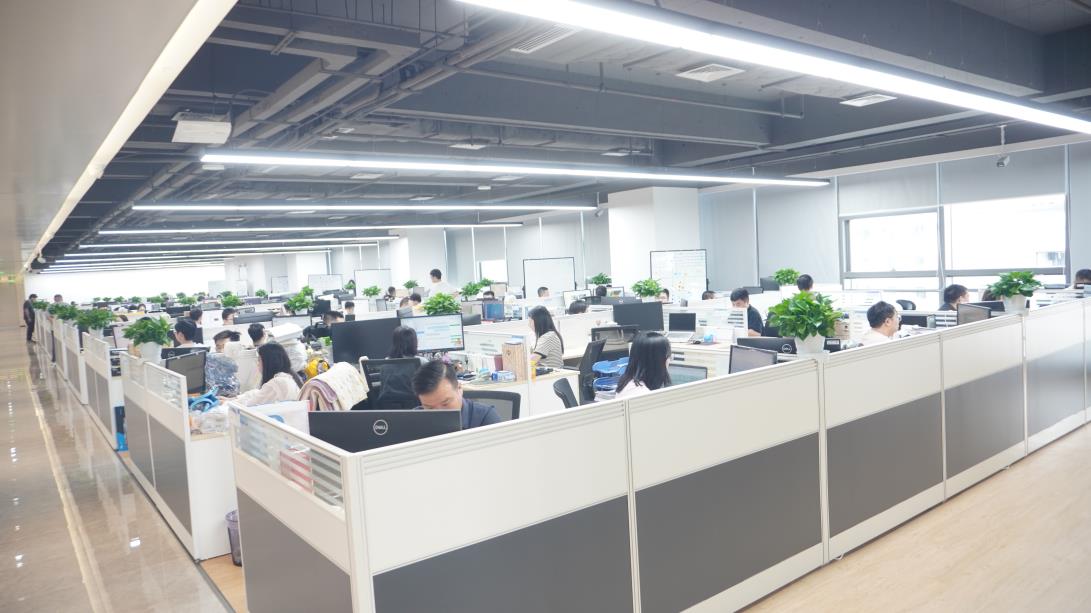
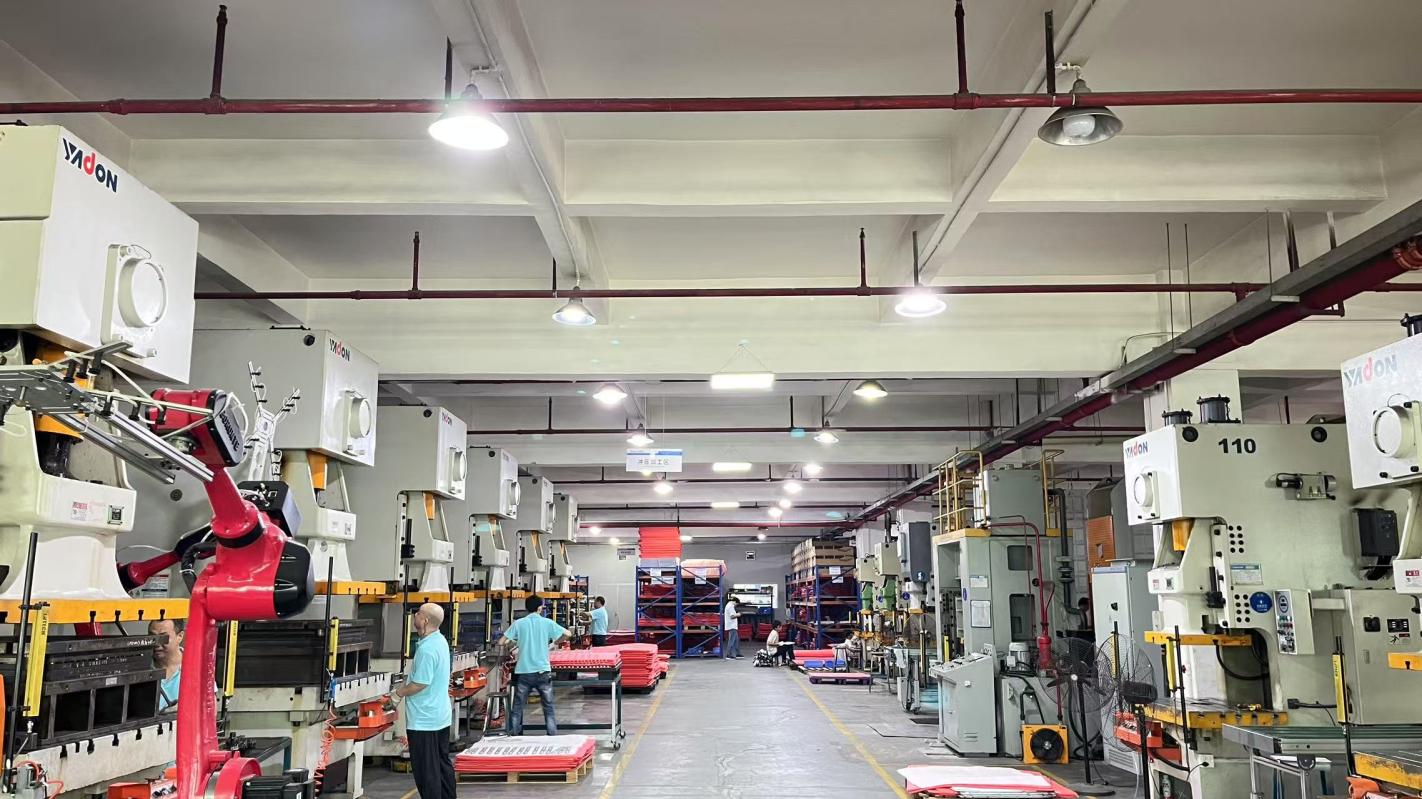
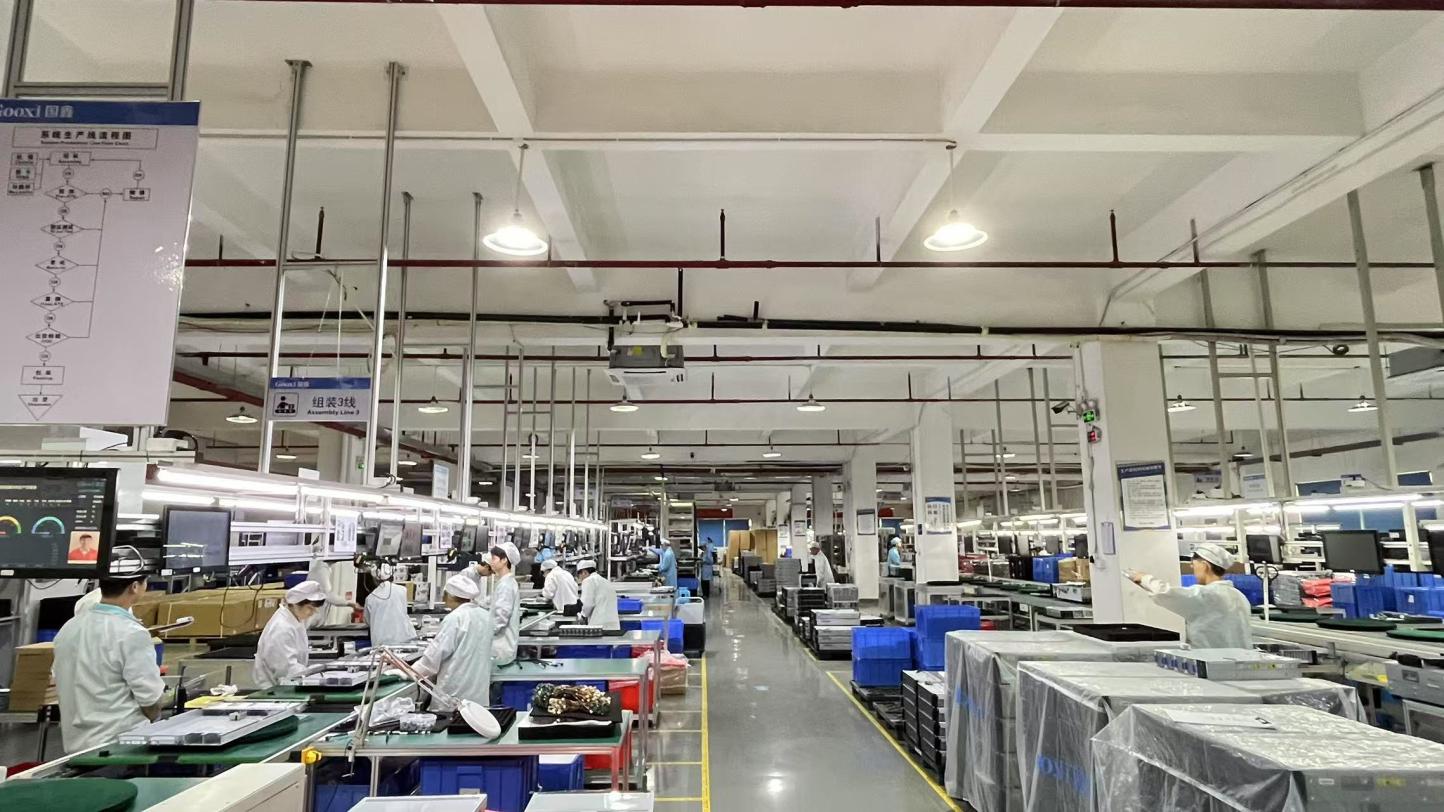
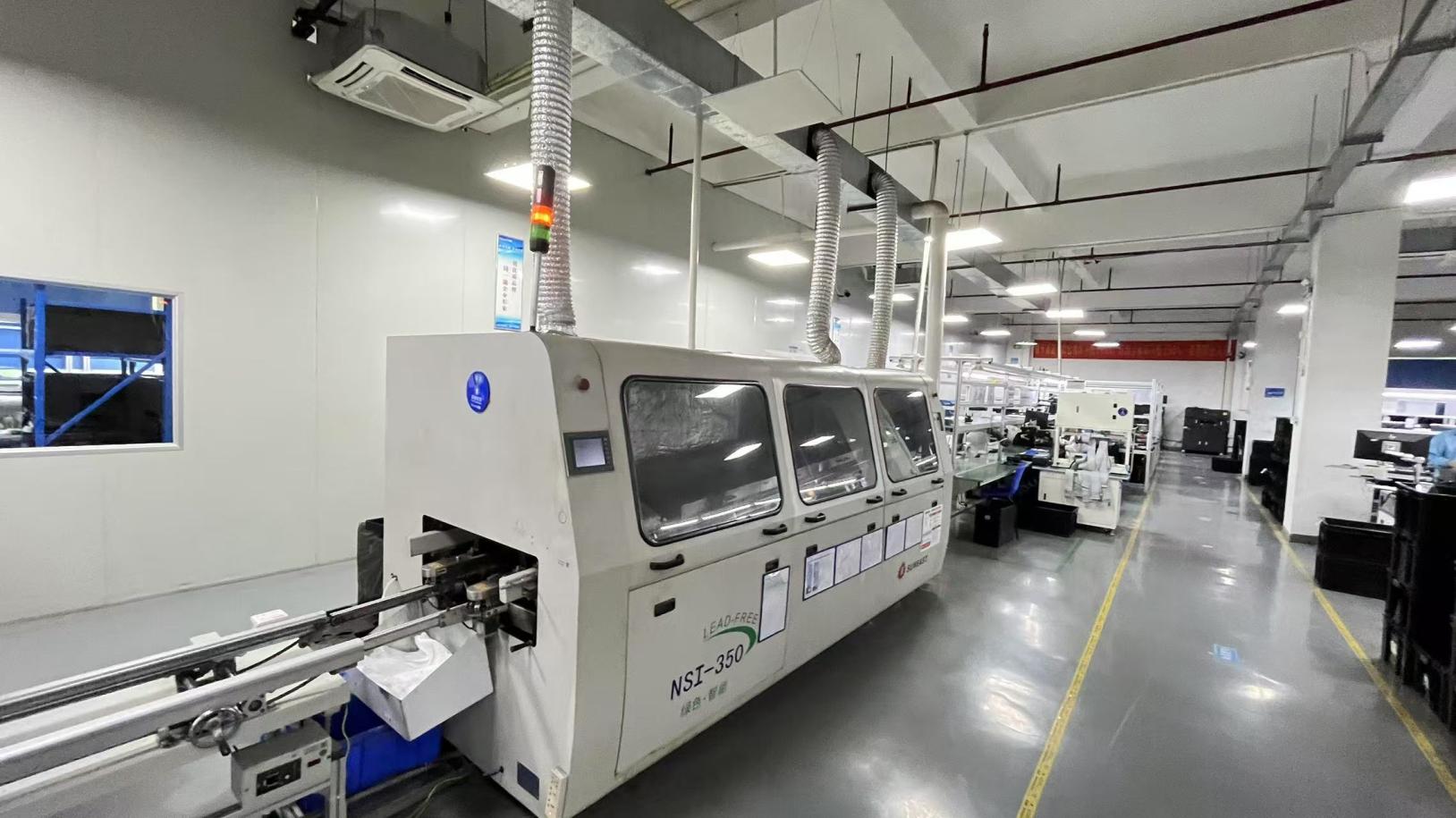
Founded in 2017, NexGPU Intelligent Computing Technology Co., Ltd. is a professional manufacturer specializing in GPU servers, AI computing infrastructure, high-performance computing (HPC) systems, and customized server solutions for global customers. Headquartered in Shenzhen, China, the company operates a modern manufacturing facility covering over 380 square meters, equipped with advanced assembly, testing, and quality control systems.
With more than 9 years of industry experience and 7 years of export experience, NexGPU has established itself as a trusted supplier for enterprises, cloud service providers, research institutions, AI startups, data centers, and system integrators worldwide. Our annual export revenue exceeds USD 18 million, serving customers across North America, Europe, Southeast Asia, the Middle East, and Oceania.
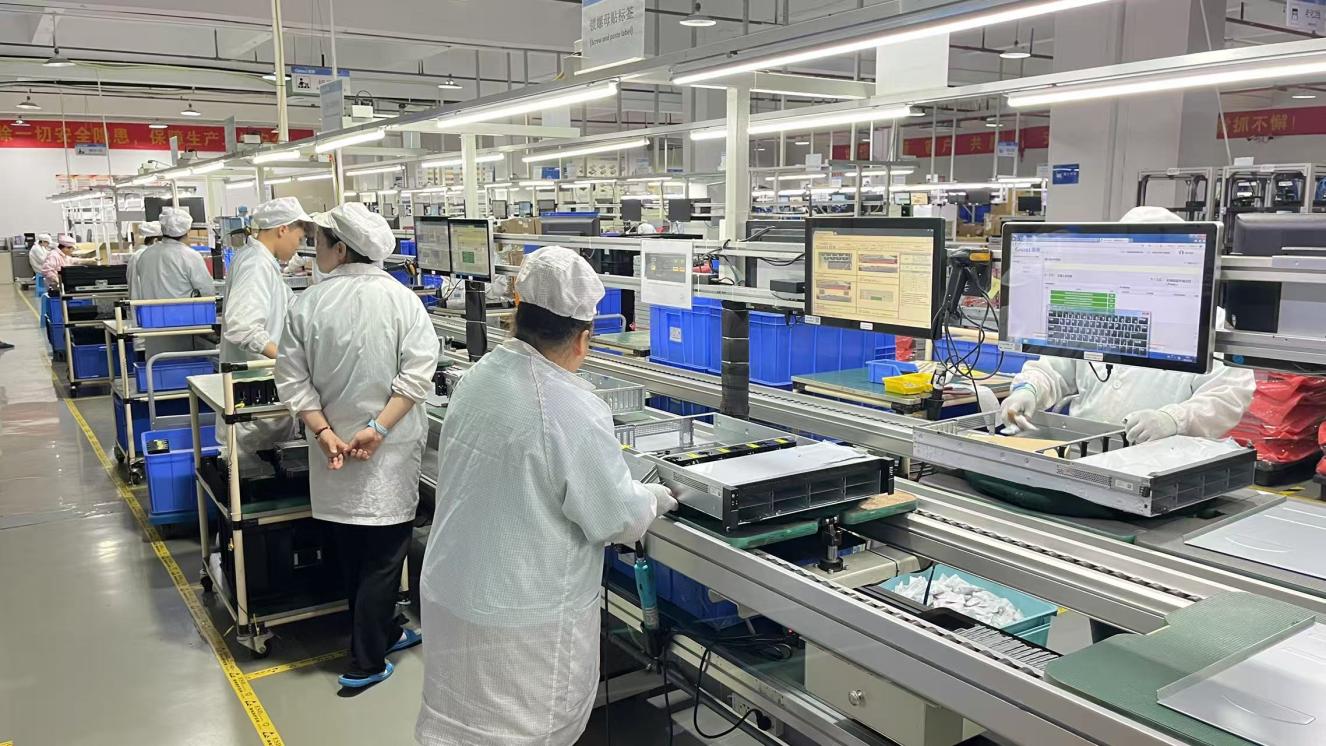
NexGPU maintains strict quality management standards throughout the production process. Every product undergoes comprehensive reliability testing, performance verification, burn-in testing, compatibility validation, and final inspection before shipment. Our dedicated quality control team consists of over 45 experienced inspectors, ensuring consistent product quality and reliability.
Supported by a strong global supply chain network of more than 1,200 strategic partners, NexGPU can efficiently source premium components and deliver flexible manufacturing solutions to meet diverse customer requirements. We offer extensive OEM and ODM services, including hardware configuration customization, chassis branding, firmware optimization, rack integration, and AI infrastructure deployment solutions.
Innovation is at the core of our business. Our R&D department includes over 120 engineers specializing in server architecture, thermal management, AI computing optimization, and system integration. Each year, NexGPU launches more than 80 new products and solution upgrades to address the rapidly evolving demands of artificial intelligence, machine learning, cloud computing, and enterprise data processing. Driven by a commitment to performance, reliability, and customer success, NexGPU continues to provide cutting-edge GPU server solutions that empower organizations to accelerate innovation and achieve their digital transformation goals.
Bridging hardware configurations and customized enterprise operating systems across key verticals.
Deploying edge nodes running lightweight Linux architectures. Optimized for low-latency video telemetry ingestion and dynamic memory scheduling, reducing OS-level processing bottlenecks by up to 25%.
Providing custom dual-socket x86 and ARM server architectures verified for red-hat operating systems. Features secure runtime enclaves, hardware encryption, and zero-trust container environments.
Hardened servers configured with real-time operating system (RTOS) compatibility, facilitating millisecond-level processing cycles for predictive grid operations and petrochemical refining systems.
Analyzing localized development patterns, standard architectures, and global distribution.
The global enterprise computing market is experiencing dynamic adjustments. On one hand, global hyper-scalers are designing custom system-on-chip (SoC) architectures and pairing them with proprietary Linux-based hypervisors. On the other hand, the demand for localized hardware factories that can build resilient, compliant, and standard platforms has surged. China’s operating system landscape has diversified, catalyzed by investments in initiatives like openEuler, Kylin OS, and Anolis OS.
This localized ecosystem addresses key supply chain and operational requirements:
Ensuring regulatory alignment and driver-level security certifications across borders.
Our systems comply with CE, FCC, RoHS, and CCC requirements. We ensure that our GPU and general-purpose servers meet safety and electromagnetic emission controls, ready for seamless deployment in EU and North American datacenters.
We provide localized customizations of AMI BIOS and open-source UEFI platforms, enabling secure runtime memory mapping, disabling unused PCIe bridges, and mitigating vulnerability surfaces at the hardware-firmware interface.
Offering extended hardware lifecycle management (up to 7 years) to match enterprise operating system long-term support (LTS) schemes. This ensures steady availability of spare parts, memory matching, and firmware patch trees.
Understanding operational benchmarks in real-world, high-density environments.
To maximize compute efficiency, operating systems must dynamically adapt to the underlying hardware topology (NUMA nodes). In NexGPU’s factory labs, we optimize server architectures for several high-demand operating system profiles:
Navigating the convergence of heterogeneous processing, liquid cooling, and OS thread schedulers.
The next five years will redefine data center design. We anticipate three massive structural vectors:
First, the adoption of **CXL (Compute Express Link)** protocol stack. This allows memory pooling between CPU, GPU, and memory storage devices. Operating systems will require memory management architectures that can distinguish between fast local memory and tiered pool memory without creating thread-stalls.
Second, **Green Data Centers and Smart Cooling**. Hardware designs must support advanced liquid cooling (both plate-based and immersion). Simultaneously, the operating system must support real-time thermal scheduling—routing task threads to physical processor nodes that are running cooler, thereby optimizing power usage effectiveness (PUE).
Lastly, the transition toward **Quantum-Safe Cryptography** at the OS kernel level. Security protocols, including SSH, TLS, and local file system encryption, must be hardened with post-quantum cryptography (PQC) algorithms, executed on server chipsets designed to accelerate these workloads.
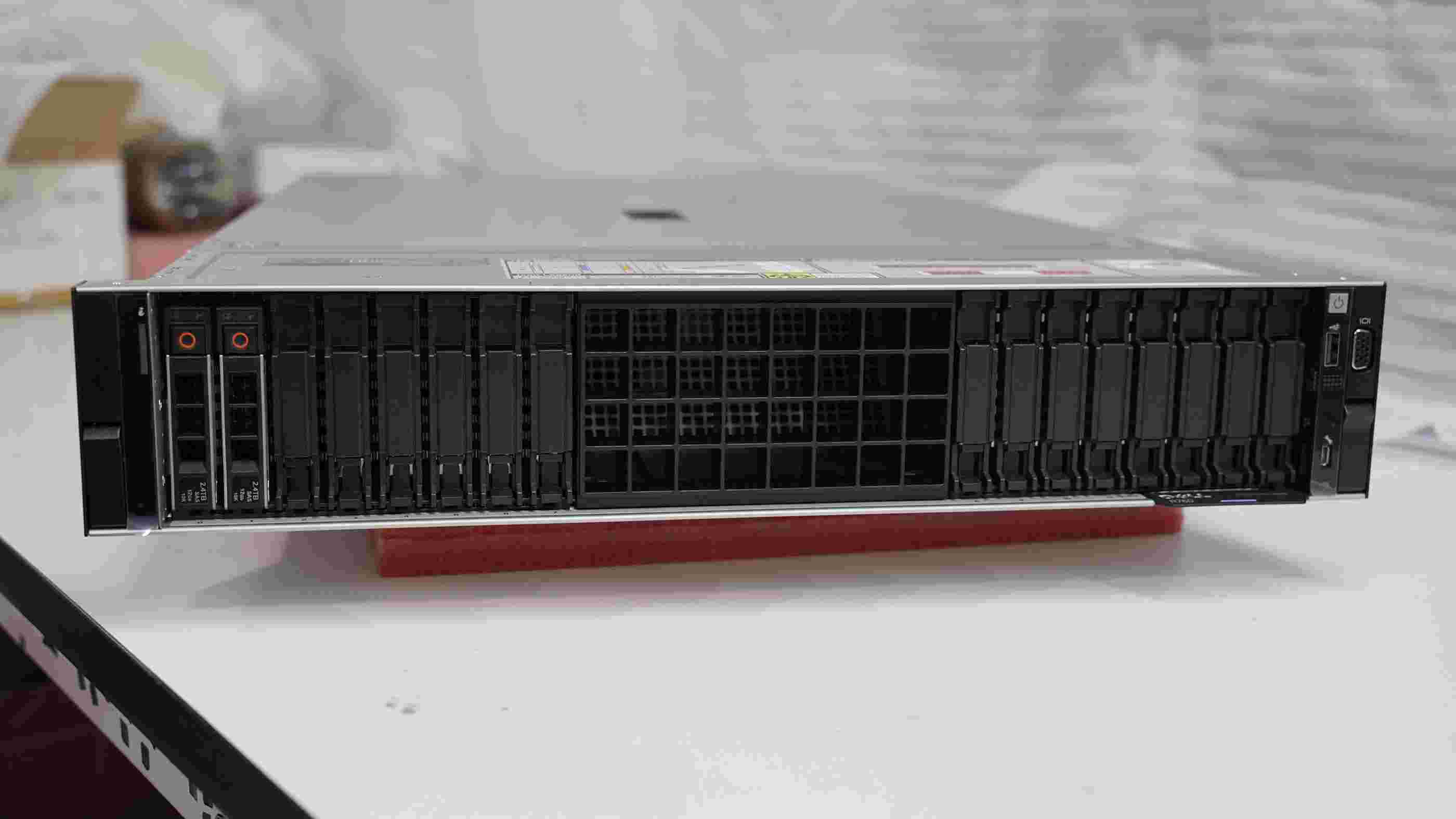
Inside our 380+ square meter Shenzhen production plant and testing cleanrooms.

Expert answers addressing hardware configurations, BIOS customizations, and compliance questions.
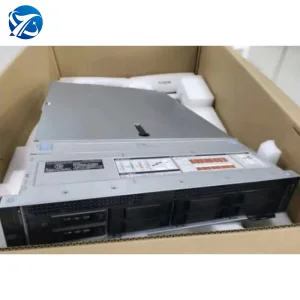
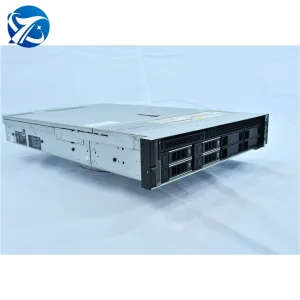
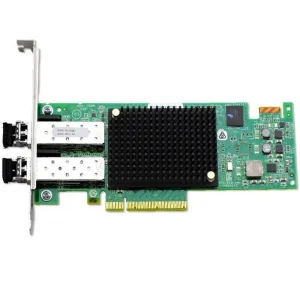
Enterprise cloud accelerators, high-availability storage controllers, and server accessories.