NexGPU
NexGPU
NexGPU
Premium OEM/ODM hardware integrated with enterprise-grade storage architectures, deployed globally by top cloud service providers.
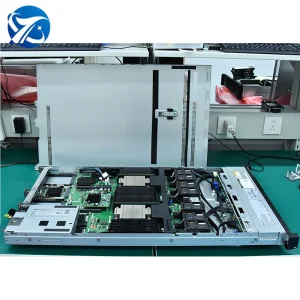
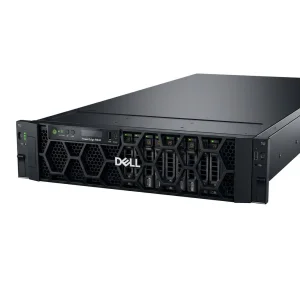
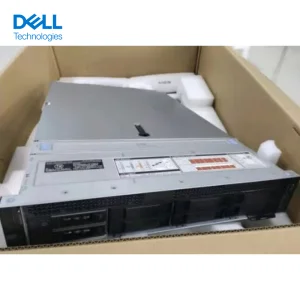
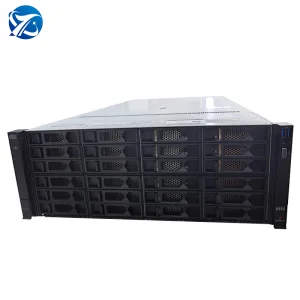
Analyzing key market drivers, production concentration, and China's crucial role in the international enterprise data storage pipeline.
The global data sphere is expanding at an unprecedented rate, projected to surpass 180 zettabytes by the end of 2025. At the heart of this digital explosion lies the hard disk drive (HDD) and solid-state drive (SSD) manufacturing industry. While advanced semiconductor fabrication processes define compute logic (CPUs and GPUs), data storage reliability dictates the true capability of modern enterprise environments, hyper-scale cloud operations, and artificial intelligence model training.
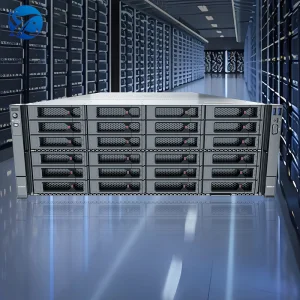
In this global framework, China operates not only as a primary consumption market but also as the primary hub for system integration, component machining, and electronic testing. Heavy investments in high-density storage servers (such as 36-bay, 4U form factors) and custom firmware design have established Shenzhen-based manufacturing clusters as crucial providers of international storage hardware. These clusters bridge the raw storage media (magnetic platters and NAND flash wafers) with finished system interfaces (SAS, SATA, NVMe, and PCIe architectures).
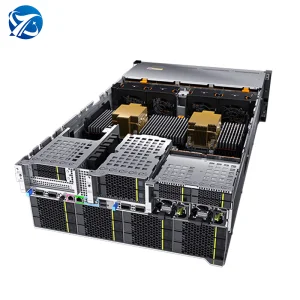
Rather than merely assembling drives, top-tier factories in Shenzhen specialize in the structural engineering of hardware storage environments. These include thermal management design for dense storage clusters, vibration isolation for multi-drive systems, custom PCB assembly for backplanes, and rigorous controller logic customization. This localized ecosystem optimizes compatibility with multi-socket server platforms (such as Intel Xeon, AMD EPYC, and dedicated AI GPU servers), ensuring zero data loss and maximum Mean Time Between Failures (MTBF).
Specialized chassis design ensures airflow vectors balance temperature profiles across arrays of up to 36 drive bays in a single rack enclosure.
Mitigating structural resonance in high-RPM hard disks prevents tracking faults and keeps write errors to an absolute minimum.
Strategic positioning within the Shenzhen supply chain allows for manufacturing cost reductions while maintaining high-grade components.
Analyzing the paradigm shift in physical storage density, transfer protocols, and next-generation storage architectures.
The industry is undergoing a transition from conventional perpendicular magnetic recording (PMR) to Heat-Assisted Magnetic Recording (HAMR) and Microwave-Assisted Magnetic Recording (MAMR). By using localized thermal energy or microwave fields, manufacturers can write data on much smaller physical grains, pushing areal storage densities past 3TB per platter. This enables individual drive capacities to scale toward 30TB and beyond, crucial for legacy enterprise archival needs.
For performance tiers, NVMe SSDs utilize PCIe Gen5 and upcoming Gen6 interfaces to deliver read speeds exceeding 14,000 MB/s. During large language model training runs, high-capacity, low-latency NVMe drives are utilized to capture model weights and optimize checkpointing intervals, shielding GPU nodes from waiting idle due to slow I/O operations.
Practical integration workflows of industrial hard drives and SSDs across key computing sectors.
In artificial intelligence clusters running platforms like DeepSeek, data ingestion speeds dictate GPU occupancy rates. System designs must incorporate local NVMe scratchpads for dataset caching, coupled with large arrays of backend enterprise HDDs for raw training data storage. NexGPU's customized chassis layouts accommodate both high-frequency storage cards and structural cooling grids to prevent thermal throttling under sustained write loads.
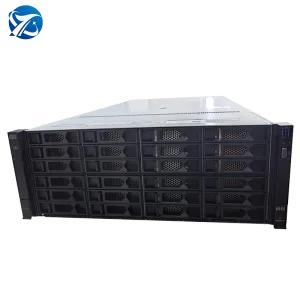
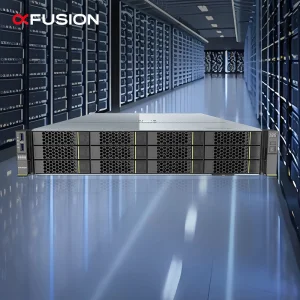
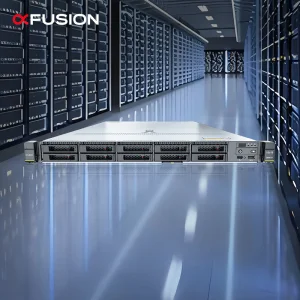
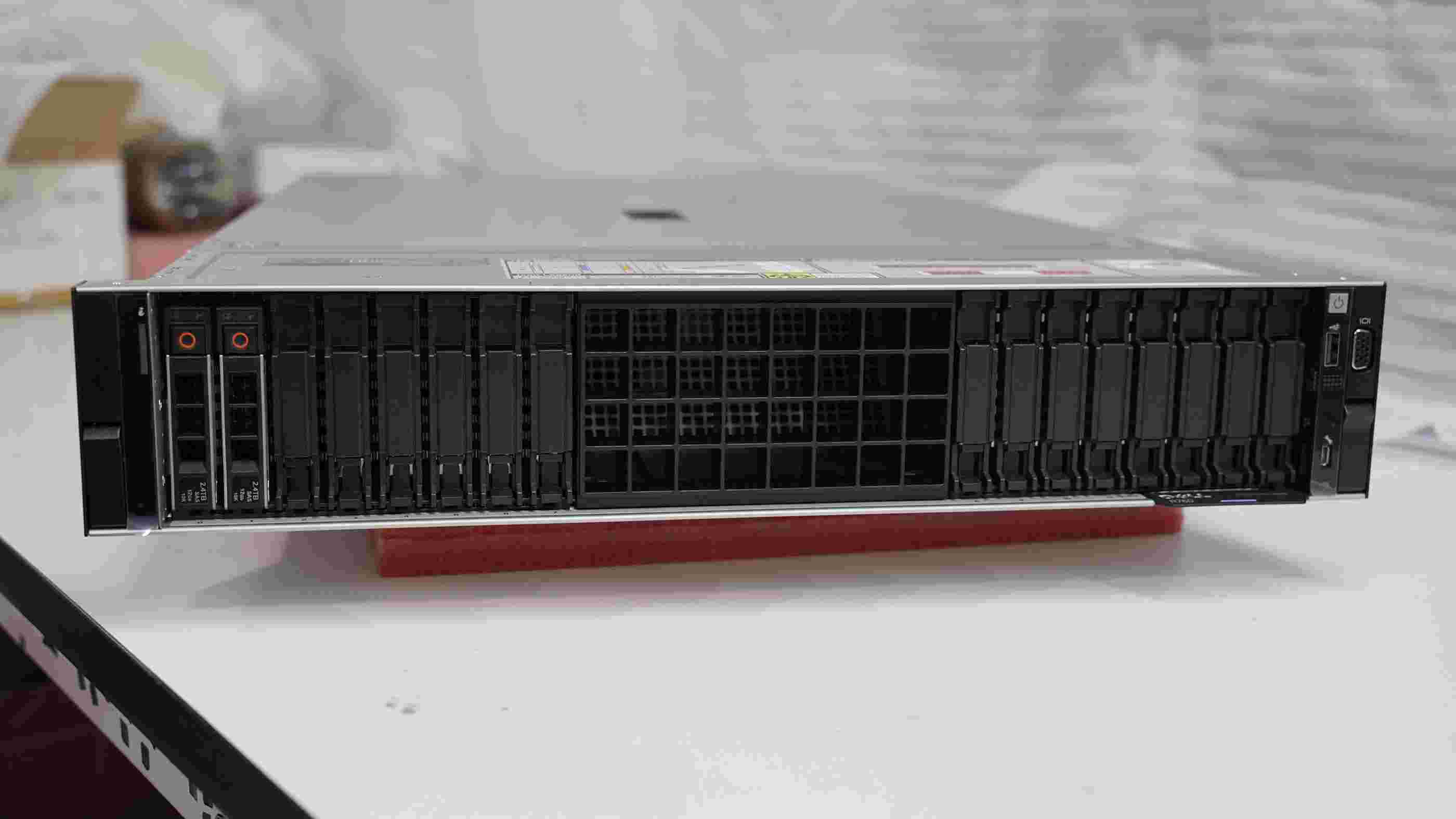
Cloud service providers require optimal storage capacity per rack unit (U). Designing platforms like the xFusion Fusionserver 5288 V6, which supports 36x 3.5-inch drives in a 4U footprint, allows cloud operators to consolidate petabytes of capacity. Achieving this requires precise electrical isolation across backplanes, avoiding signal degradation across high-density storage arrays.
Edge storage setups face challenges from ambient temperature fluctuations and physical vibrations. Applying SSDs with wide temperature ranges and ruggedized form factors ensures data integrity for smart transit systems, factory floors, and distributed surveillance stations.
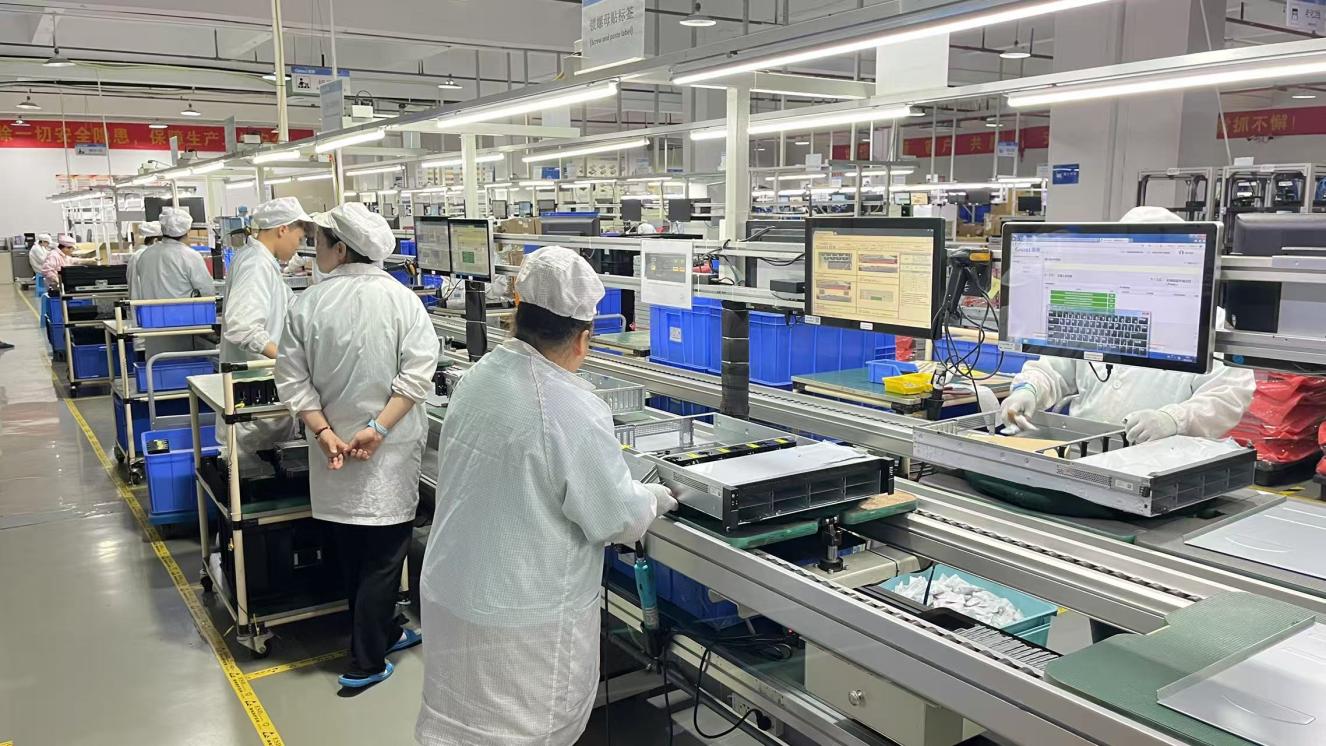
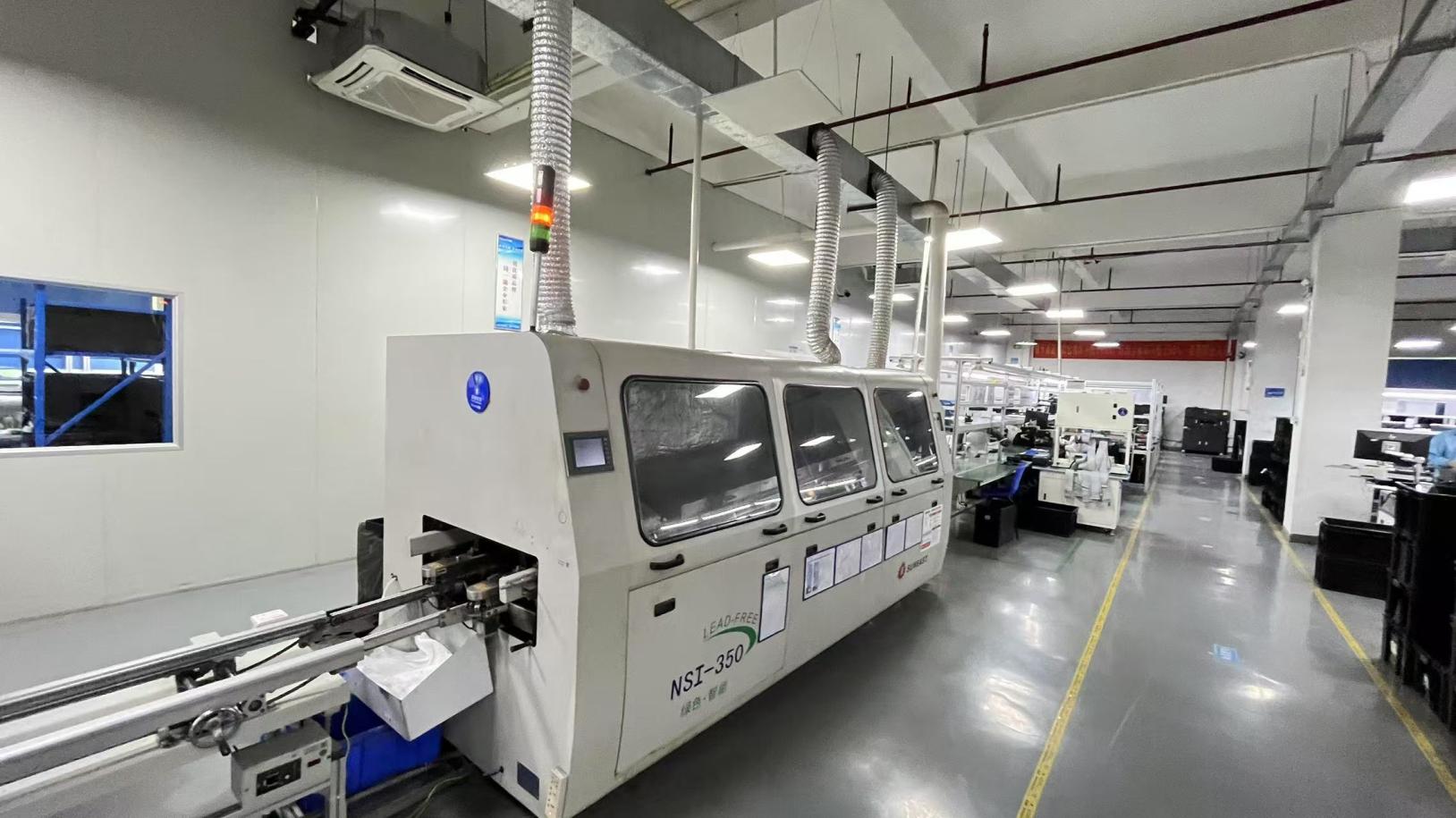
A look at our Shenzhen manufacturing capabilities and quality control processes.
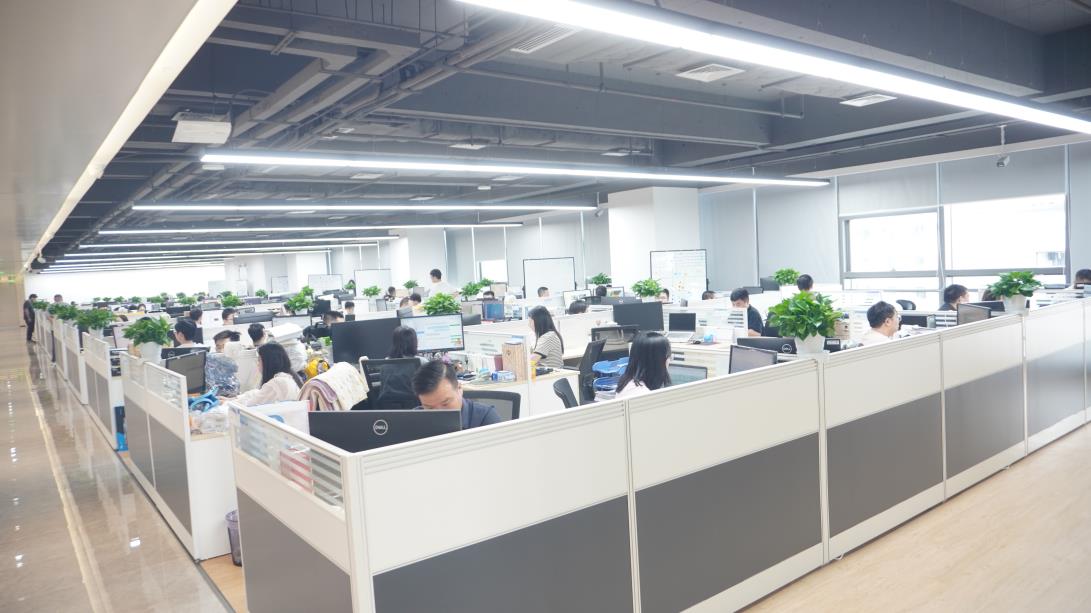
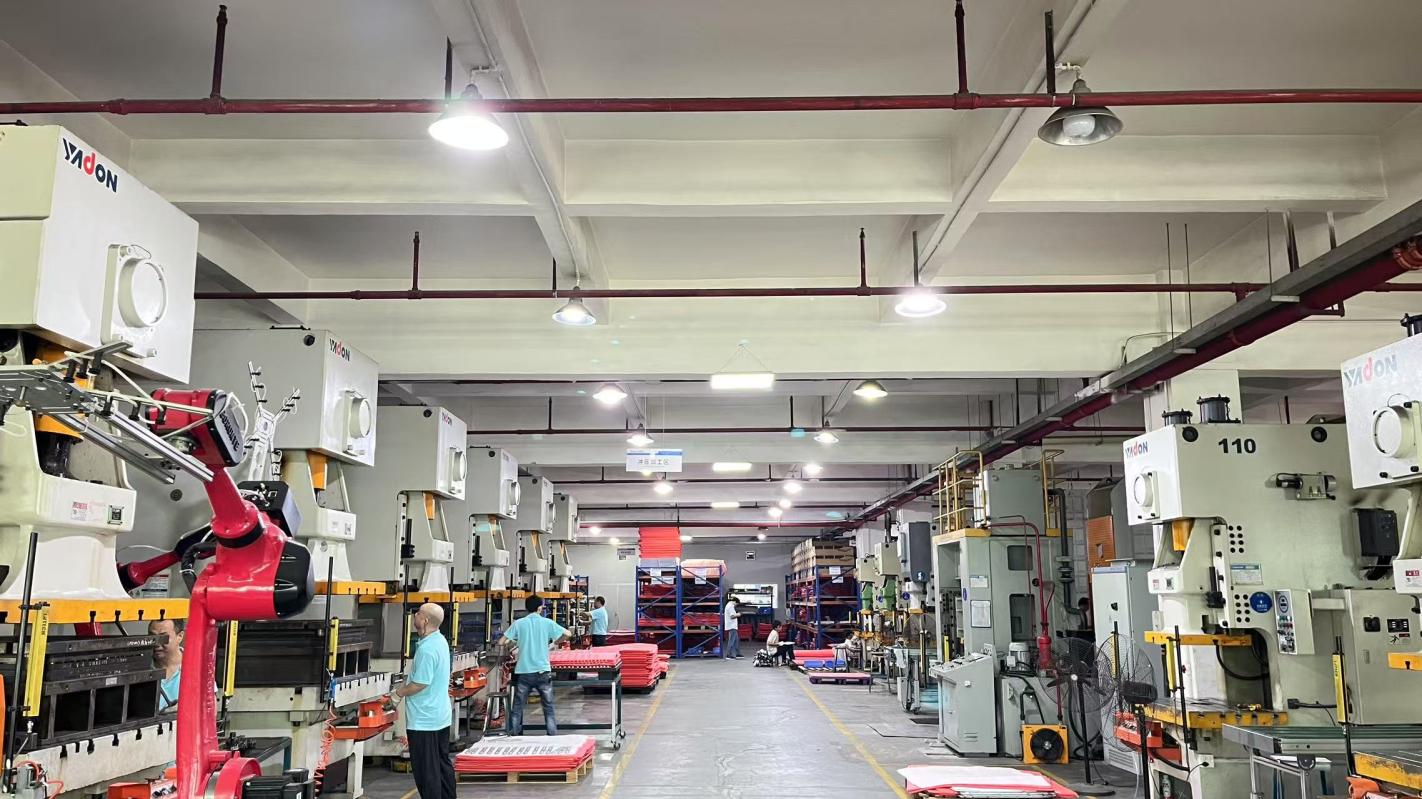
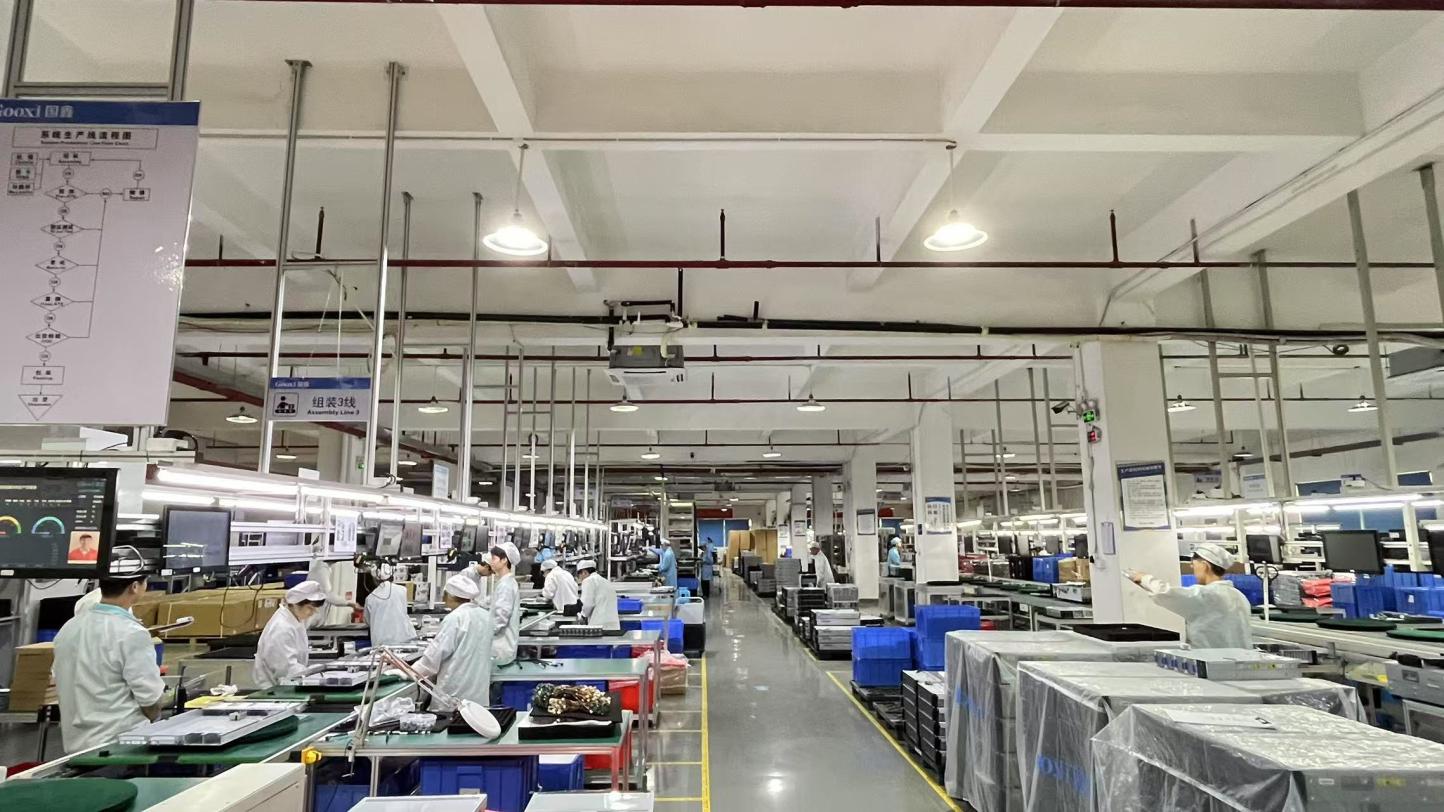
Founded in 2017, NexGPU Intelligent Computing Technology Co., Ltd. is a professional manufacturer specializing in GPU servers, AI computing infrastructure, high-performance computing (HPC) systems, and customized server solutions for global customers. Headquartered in Shenzhen, China, the company operates a modern manufacturing facility covering over 380 square meters, equipped with advanced assembly, testing, and quality control systems.
With more than 9 years of industry experience and 7 years of export experience, NexGPU has established itself as a trusted supplier for enterprises, cloud service providers, research institutions, AI startups, data centers, and system integrators worldwide. Our annual export revenue exceeds USD 18 million, serving customers across North America, Europe, Southeast Asia, the Middle East, and Oceania.
NexGPU maintains strict quality management standards throughout the production process. Every product undergoes comprehensive reliability testing, performance verification, burn-in testing, compatibility validation, and final inspection before shipment. Our dedicated quality control team consists of over 45 experienced inspectors, ensuring consistent product quality and reliability.
Supported by a strong global supply chain network of more than 1,200 strategic partners, NexGPU can efficiently source premium components and deliver flexible manufacturing solutions to meet diverse customer requirements. We offer extensive OEM and ODM services, including hardware configuration customization, chassis branding, firmware optimization, rack integration, and AI infrastructure deployment solutions.
Innovation is at the core of our business. Our R&D department includes over 120 engineers specializing in server architecture, thermal management, AI computing optimization, and system integration. Each year, NexGPU launches more than 80 new products and solution upgrades to address the rapidly evolving demands of artificial intelligence, machine learning, cloud computing, and enterprise data processing.
Empowering organizations to accelerate innovation and achieve their digital transformation goals.

Answering key technical questions regarding procurement, integration, testing protocols, and product configurations.
Explore our selections of enterprise hardware, storage nodes, and accelerators designed to scale data operations.